




















The Centre for Democratic Development (CDD-Ghana) has called for a more informed national conversation on the Human Sexual Rights and Family Values Bill, warning that many Ghanaians may not fully understand the wider human rights implications of the proposed legislation.


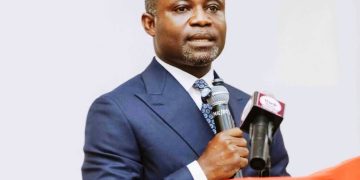
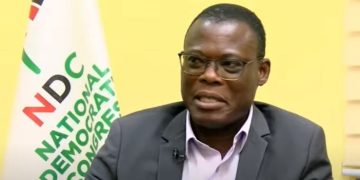
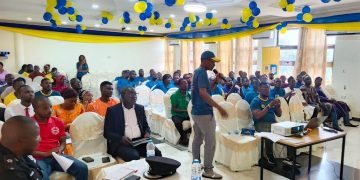
Speaking in an interview after a two-day stakeholder capacity-building workshop on Human Rights, Non-discrimination and Protection of Vulnerable People in Ghana, Dr. Michael Augustus Akagbor, Senior Programmes Manager for Human Rights and Social Inclusion at CDD-Ghana, said the programme was organised partly to deepen public understanding of human rights and encourage informed discussions on issues affecting vulnerable groups.
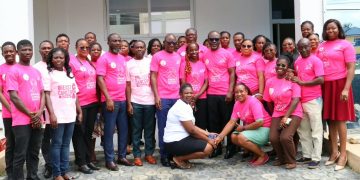
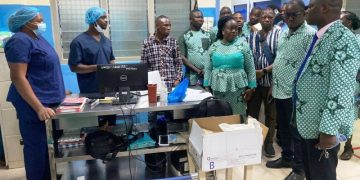
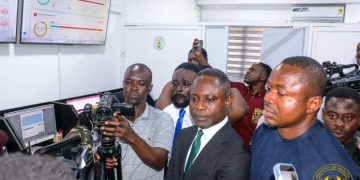
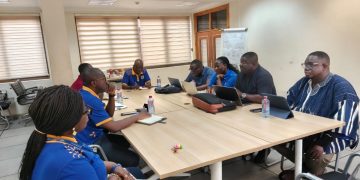
The workshop assembled participants from the Ghana Police Service, Ghana Prisons Service, National Commission for Civic Education (NCCE), Environmental Protection Agency (EPA), Ghana Education Service (GES), local assemblies, faith-based organisations, civil society organisations, development partners and the media to strengthen collaboration in promoting and protecting human rights.

Dr. Akagbor expressed concern that many people support the Human Sexual Rights and Family Values Bill without fully appreciating its provisions.
“One reason CDD-Ghana is engaging stakeholders is to encourage informed public discussion. We want people to understand the contents of the Bill before taking a position on it,” he said.
According to him, the proposed legislation should not be viewed solely as an issue affecting LGBT persons.
He argued that some provisions of the Bill are broadly worded and could have implications beyond the group it is widely perceived to target.
“Many people do not realise that the Bill does not affect only LGBT persons. Some of its provisions are so broadly framed that they could potentially affect people who are not LGBT,” he said.
Dr. Akagbor attributed the growing misunderstanding surrounding human rights issues to inadequate civic education, saying Ghana has invested more attention in elections than in educating citizens about the constitutional rights that sustain democracy.
“Elections are important, but elections alone do not make a democracy. Human rights are what make democracy meaningful,” he said.
He called for stronger national civic education efforts, particularly by adequately resourcing the National Commission for Civic Education, to help citizens better understand their rights and responsibilities under the Constitution.
Dr. Akagbor said CDD-Ghana’s engagement with stakeholders forms part of broader efforts to strengthen respect for human rights, promote non-discrimination and build a network of institutions capable of protecting vulnerable people across Ghana.
Source: www.kumasimail.com