






























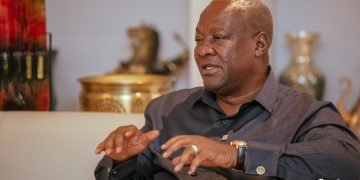



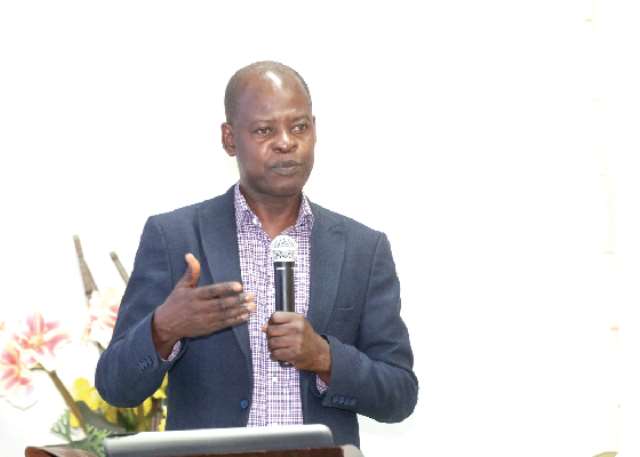
Policy analyst and co-chair of the Ghana Extractive Industries Transparency Initiative (GHEITI), Dr Steve Manteaw, says Ghana’s reported $1.7 billion loss from the Ghana Gold Board’s (GoldBod) gold purchasing operations should not, on its own, be interpreted as a failure of the country’s gold-for-reserves programme.


Dr Manteaw argues that the financial loss represents the cost of transactions undertaken to purchase gold domestically and convert the country’s mineral resources into foreign exchange and stronger international reserves.
Speaking in an interview with Joy News on Tuesday, August 18, he said the debate surrounding GoldBod’s financial performance should focus not only on the losses incurred but also on what the transactions have enabled the country to achieve.
According to him, assessing the programme solely through its reported losses risks overlooking the broader economic purpose of the gold purchasing initiative.
Losses are not new
Dr Manteaw also questioned why the current discussion around GoldBod’s losses has attracted significant attention when Ghana’s previous gold purchasing programmes also recorded financial losses.
He cited figures showing that Ghana recorded losses from gold purchasing activities in 2022, 2023, 2024 and 2025, arguing that the issue should therefore be examined within a longer-term context.
He pointed specifically to 2024, when, according to him, Ghana recorded a total loss of GH¢5.7 billion from gold-related programmes.
Of that amount, he said GH¢1.8 billion was linked to the gold-for-oil programme, while GH¢3.8 billion came from domestic gold purchases for reserves.
Dr Manteaw said these figures should be weighed against the foreign exchange generated through the programme rather than considered in isolation.
‘Transaction costs’
He described the losses as transaction costs incurred in the process of achieving broader economic objectives.
“If you had to incur a loss of $1.7 billion to bring in $10 billion, that for me shouldn’t be a problem,” he said, arguing that the assessment of the programme should take into account the value of the foreign exchange brought into the country.
Dr Manteaw maintained that the key question should be whether the programme is helping Ghana improve its foreign exchange position and build reserves, rather than whether every gold transaction generates a conventional profit.
He further criticised what he described as a selective approach to analysing GoldBod’s performance, insisting that similar losses in earlier years did not attract comparable public scrutiny.
His comments come amid growing public debate over GoldBod’s financial position and the sustainability of Ghana’s strategy of purchasing gold locally as part of efforts to strengthen the country’s reserves and improve foreign exchange liquidity.
Source: www.kumasimail.com