































Government has announced plans to deepen climate governance across the country by establishing Climate Change and Sustainability Units in all Metropolitan, Municipal and District Assemblies (MMDAs).


Accordingly, the government will set up a National Climate Change and Sustainability Hub to drive research, innovation and climate financing.
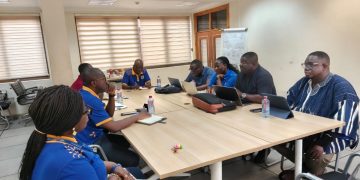
The initiative was announced at a Sub-National Stakeholder Engagement on Climate Change and Sustainability held in Tamale on Monday, where government officials and key stakeholders met to chart a coordinated response to the growing impact of climate change, particularly in northern Ghana.
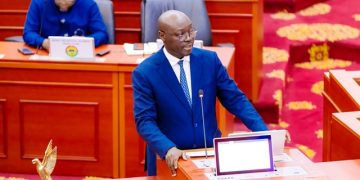
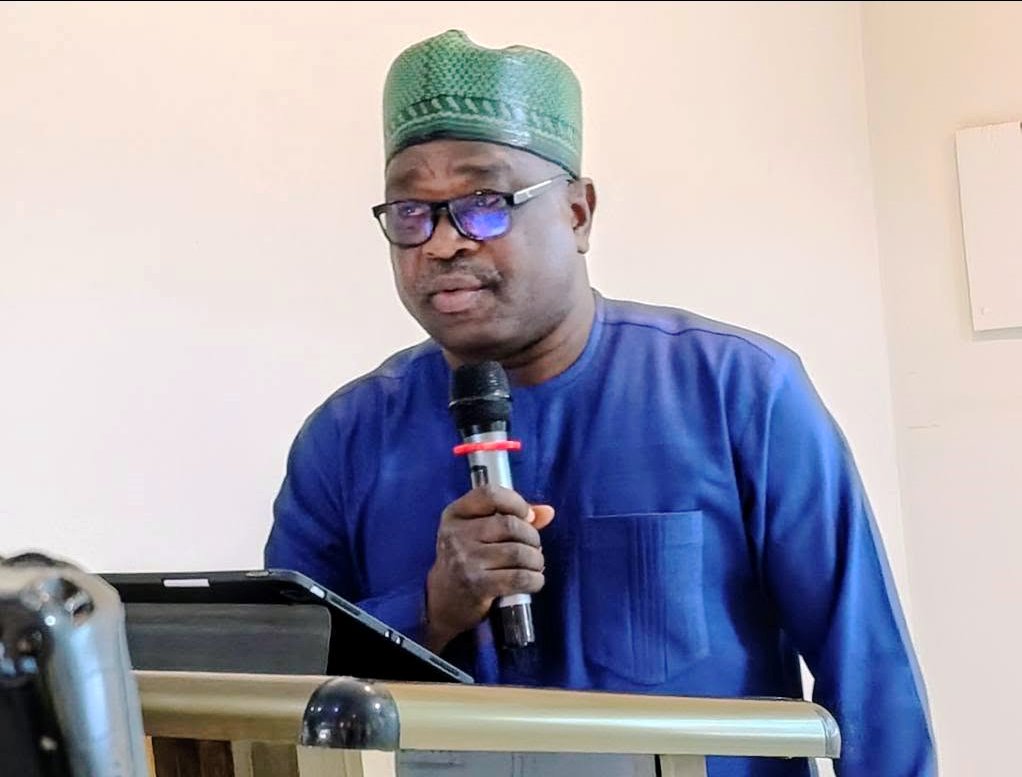
The Minister of State in Charge of Climate Change and Sustainability, Hon. Seidu Baba Issifu, said the new structures would strengthen climate governance at the local level by improving coordination, building institutional capacity and supporting Assemblies to integrate climate priorities into their Medium-Term Development Plans.
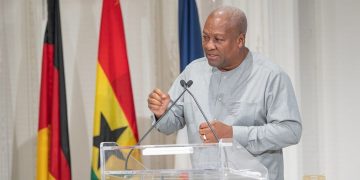
He said the Office of the Minister of State for Climate Change and Sustainability, established by President John Dramani Mahama, has been mandated to provide strategic leadership, mobilise climate finance, coordinate the activities of Ministries, Departments and Agencies, and ensure Ghana delivers on its climate commitments.
Hon. Issifu also disclosed that government is strengthening collaboration through an Inter-Ministerial and Agency Technical Working Group to improve coordination of climate policies and programmes nationwide.
He stressed that while national policies provide strategic direction, meaningful climate action must be driven by MMDAs, where planning and service delivery directly affect communities. He, however, acknowledged that many Assemblies continue to grapple with limited technical capacity, inadequate financing and competing development priorities.
According to the Minister, climate change has evolved beyond an environmental concern into a major economic, social and development challenge, with unpredictable rainfall, prolonged dry spells, flooding and land degradation posing serious threats to livelihoods, food systems, water security and infrastructure across the country.
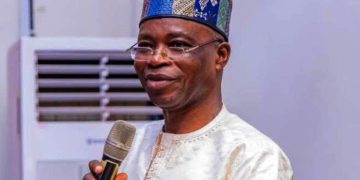
Opening the engagement, Northern Regional Minister Hon. Ali Adolf John reaffirmed the Northern Regional Coordinating Council’s commitment to supporting government’s climate and sustainability agenda and pledged the full cooperation of all 16 Metropolitan, Municipal and District Assemblies in implementing climate programmes across the region.
He described climate change as one of the greatest threats to Ghana’s socio-economic development, warning that rising temperatures, erratic rainfall, floods, bushfires and land degradation continue to undermine agriculture, food security, water resources and livelihoods, particularly in the Northern Region.

Hon. Ali Adolf John said government’s Resetting Ghana Agenda places environmental sustainability at the centre of national development and described the creation of the Office of the Minister of State for Climate Change and Sustainability as evidence of government’s commitment to strengthening climate governance and positioning Ghana as a leader in climate action on the continent.
He highlighted flagship interventions including the Tree for Life Initiative, which seeks to restore degraded forests and landscapes through nationwide tree planting, and the Blue Water Initiative, aimed at rehabilitating polluted rivers, restoring water bodies and improving access to clean water.
The Regional Minister said the planned Climate Change and Sustainability Units would help Assemblies mainstream climate considerations into development planning, improve climate data collection, facilitate access to climate finance and prepare investment-ready projects.
Earlier, Hon. Seidu Issifu paid a courtesy call on the Northern Regional Minister at the Northern Regional Coordinating Council to brief him on the purpose of his working visit. During the meeting, Hon. Ali Adolf John commended President Mahama for establishing the Office of the Minister of State for Climate Change and Sustainability and assured the Minister of the region’s full support.
The stakeholder engagement brought together officials from the Office of the President, Metropolitan, Municipal and District Chief Executives, Coordinating Directors, Planning Officers, Heads of Departments, representatives of the Global Center for Climate Mobility, development partners, civil society organisations, traditional authorities and the media.
Both Ministers urged participants to contribute practical recommendations to strengthen climate governance across all MMDAs, expressing confidence that the engagement would generate actionable proposals capable of attracting climate investment, creating green jobs, enhancing community resilience and improving livelihoods across the Northern Region.
Source: www.kumasimail.com