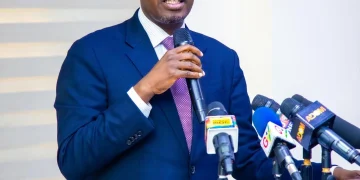





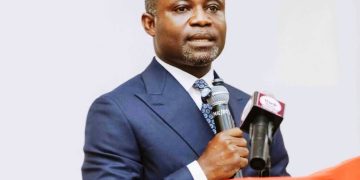























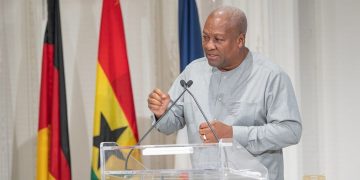


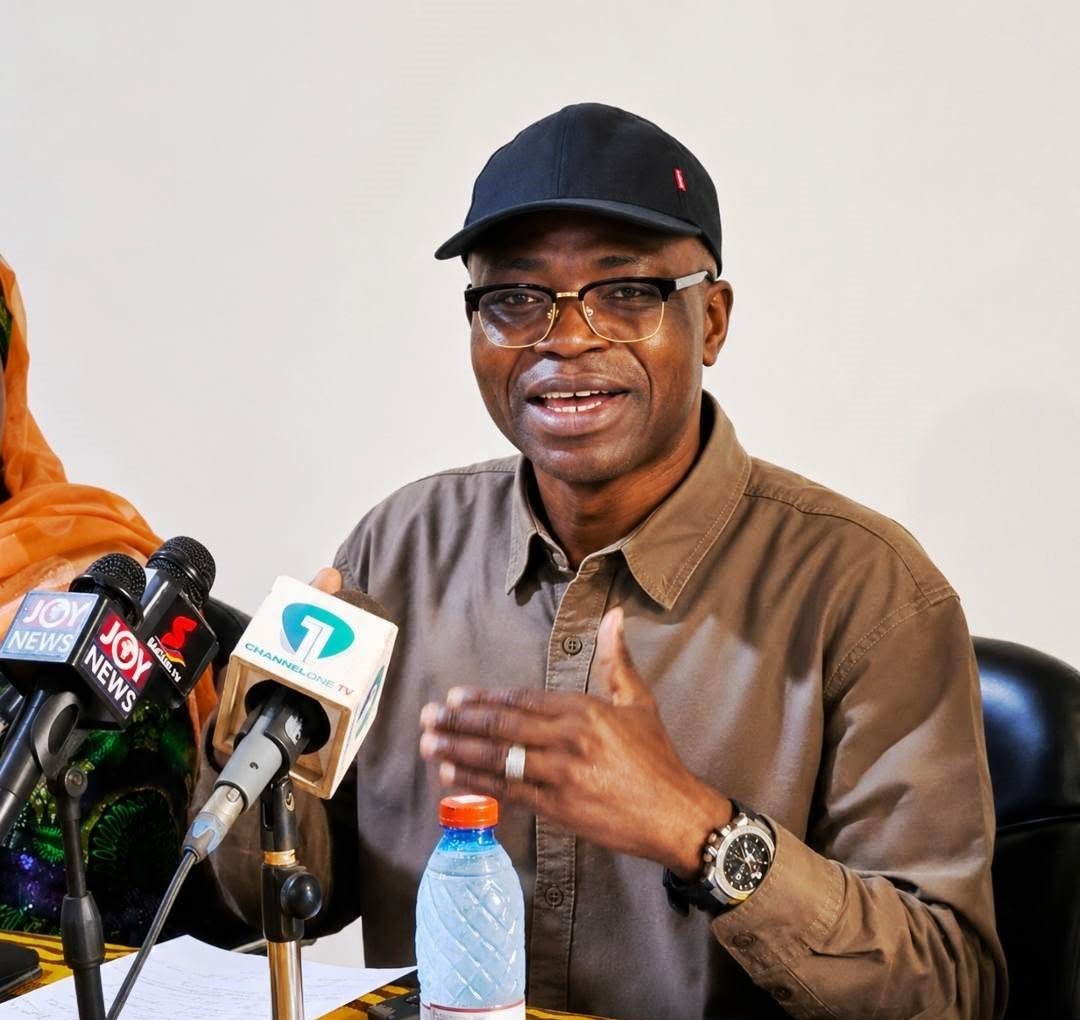
Northern Regional Minister Ali Adolf John has called for a coordinated regional effort involving government, parents, traditional and religious leaders and communities to tackle persistent challenges undermining pre-tertiary education in the region.


He said government’s provision of infrastructure, teachers and educational resources would not, on its own, guarantee improved learning outcomes unless communities took greater responsibility for keeping children in school and supporting their education.
According to Mr Adolf, inadequate infrastructure and learning materials, teacher and pupil absenteeism, weak parental involvement, teenage pregnancy, child labour, school dropout and learning difficulties remained major obstacles requiring collective action.
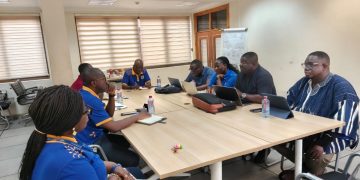
He made the call on Monday, August 31, 2026, when he opened a regional engagement with district-level education stakeholders at Pioneer Lodge in Tamale.
The engagement, organised under the theme “Building Strong Partnerships: The Role of Communities in Advancing Quality Pre-Tertiary Education,” brought together Metropolitan, Municipal and District Chief Executives, District Directors of Education, Education Unit managers, school representatives, Parent-Teacher Associations, School Management Committees, teacher unions, traditional and religious leaders, development partners and civil society organisations.
Presentations on pre-tertiary education outcomes in the Northern Region from 2022 to 2025 were also made to enable stakeholders assess progress and identify persistent gaps.
Mr Adolf urged stakeholders to move away from treating communities merely as beneficiaries of government education programmes and instead recognise them as active partners in delivering quality education.
He tasked MMDCEs, District Directors of Education and school leaders to strengthen coordination, incorporate education priorities into district development plans, intensify school monitoring and ensure the transparent and efficient use of educational resources.
The Minister said the focus of education investment must also shift beyond enrolment to learning outcomes, retention, completion, equity, inclusion, discipline, skills development and learner wellbeing.
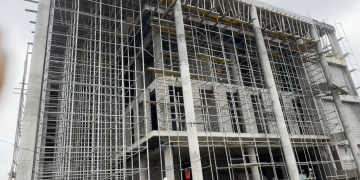
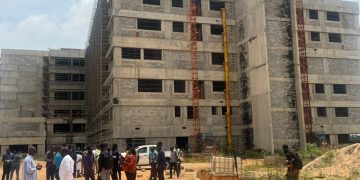
He outlined a number of government interventions aimed at addressing infrastructure, financing and teacher shortages, including the completion of abandoned E-Blocks, expansion and renovation of Senior High Schools and the construction of classrooms, dormitories, laboratories and STEM facilities.
He cited the completed eight-unit classroom block and eight-seater KVIP at Achinayili in the Karaga District as an example of ongoing efforts to improve school infrastructure.
Mr Adolf also said 30 Category C Senior High Schools nationwide were receiving new dormitories, laboratories, classrooms and STEM facilities, while government had announced plans to renovate 150 secondary schools.
On secondary education financing, he said the Free Senior High School policy had been retained and was being improved, with GH¢4.2 billion allocated in the 2026 budget for Free Secondary Education.
He said government was also reviewing food supply arrangements in schools, including greater involvement of local farmers and the National Food Buffer Stock Company, to improve the reliability of food supplies.
The Minister further cited the absorption of BECE registration fees for candidates in public schools, the No Academic Fees/No Fees Stress policy for first-year students in public tertiary institutions and the Free Sanitary Pads Programme as measures to reduce financial barriers to education.
He said approximately GH¢292.4 million had been allocated in the 2026 budget for the sanitary pads programme to support the retention of adolescent girls in school.
On foundational learning, Mr Adolf said the Zero to Hero initiative was targeting literacy, numeracy, curriculum reform and vulnerable learners, while the Ghana Accountability for Learning Outcomes Project (GALOP) and its additional financing were supporting learning outcomes, teaching quality, school leadership and equity.
He said the additional foundational-learning project in the Northern Region covered Tatale-Sanguli and Nanumba North.

Addressing teacher shortages, the Minister disclosed that government had secured clearance to recruit 7,000 teachers, with priority to deprived and hard-to-reach communities.
He added that a further 16,000 teachers had been approved for recruitment in two phases beginning in November 2026, describing the recruitment drive as critical to improving teacher availability and learning outcomes.
Mr Adolf also highlighted government’s emphasis on STEM education and early childhood development, saying the revised basic-school curriculum placed greater emphasis on science, technology, engineering, mathematics, coding, robotics and artificial intelligence.
He said GH¢100 million had been allocated for regional STEM centres, while the Northern Regional Early Childhood Development Committee was coordinating implementation of the revised Early Childhood Care and Development Policy covering children from birth to age eight.
“The future of our region is sitting in our classrooms today,” Mr Adolf said, urging government to provide leadership, education authorities to coordinate, teachers to deliver, parents to support and communities to participate actively.
He said recommendations from the engagement would be translated into concrete actions to strengthen education delivery across the Northern Region.
Source: www.kumasimail.com