

































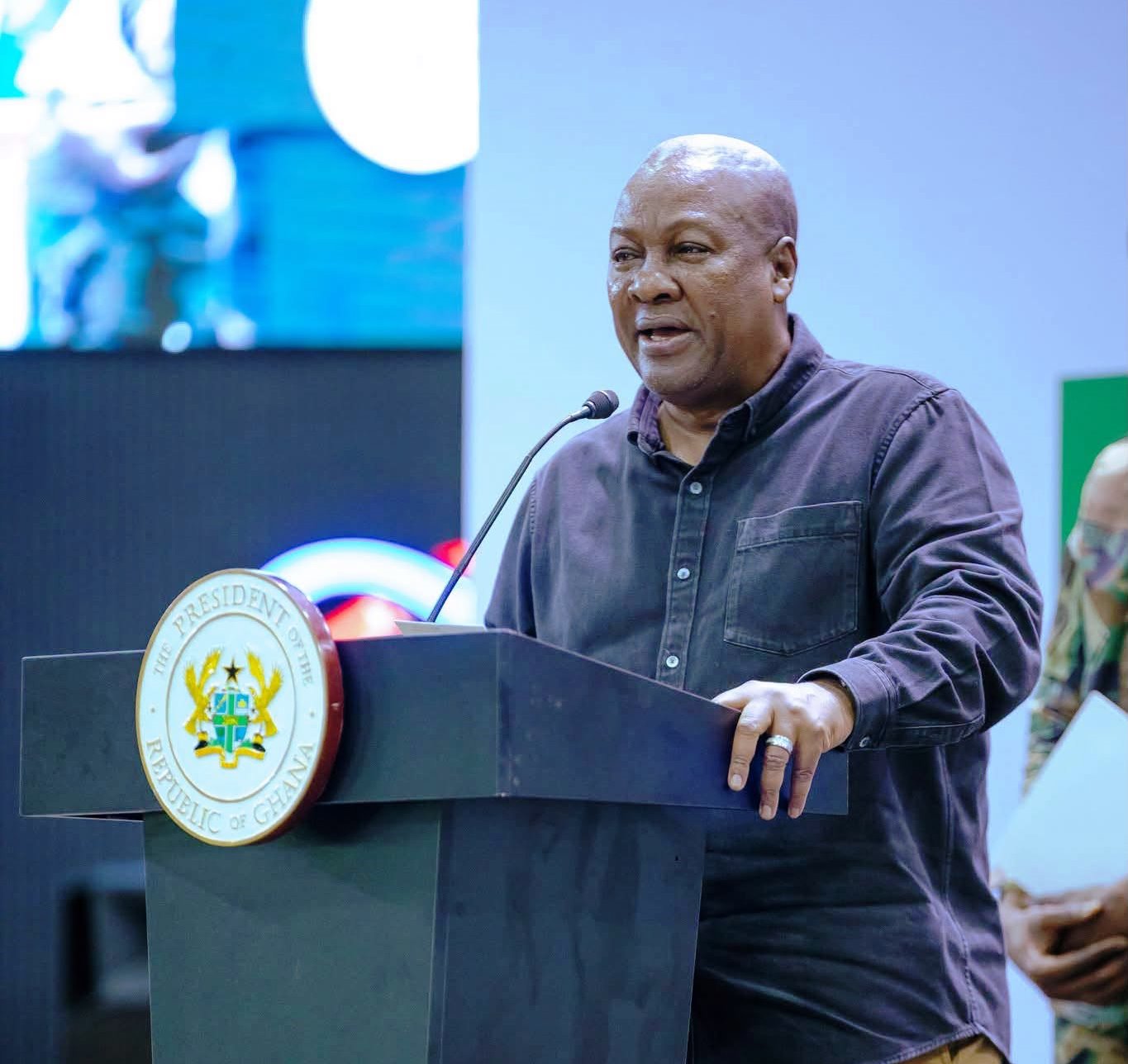
President John Dramani Mahama has announced a US$5 billion investment in agriculture and agro-processing over the next four years, with the Upper East Region expected to benefit from expanded irrigation, tomato production and agro-processing initiatives.


The investment forms part of the government’s proposed New Economy policy, which will commit US$10 billion to seven key sectors of the economy.
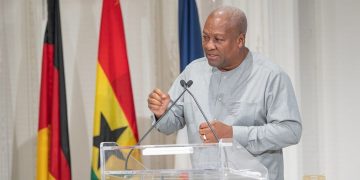
Speaking at the Resetting Ghana community engagement in the Upper East Region on Friday, August 14, 2026, President Mahama said government would invest US$2.5 billion annually across the seven sectors, with agriculture and agro-processing receiving half of the total.
“The biggest of these sectors is agriculture and agro-processing, and that is where the Upper East Region comes in,” he said.
He assured residents that the region would receive its fair share of the US$5 billion investment.
A major focus will be irrigation, which the President said would allow farmers, particularly young people, to produce throughout the year rather than depend solely on seasonal rainfall.

Government has already begun work on the Tomato Revitalisation Project, which is expected to bring 2,500 acres under tomato cultivation in the region.
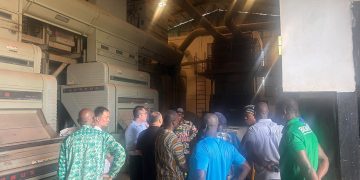
Mahama also announced plans to rehabilitate the Pwalugu Tomato Factory to process locally produced tomatoes and supply markets across the country.
The President said government was also working to complete the rehabilitation of the Tono irrigation dam, which is expected to bring about 850 acres of land under cultivation and support dry-season farming.
Onion production will be a particular focus, with government seeking to reduce Ghana’s dependence on imports from Niger.
“If we put enough land under irrigation, we should be able to substitute those imports and produce our own onions,” he said.
Mahama said the agriculture investment marked the next phase of the government’s economic programme following what he described as the stabilisation of the Ghanaian economy.
He said the focus would now shift towards economic growth, job creation and creating opportunities for young people, with agriculture and agro-processing positioned as major drivers of that agenda.
Source: www.kumasimail.com