










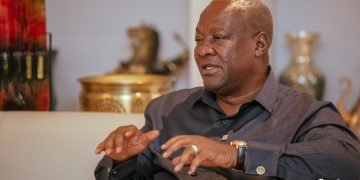
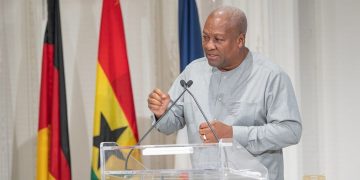


President John Dramani Mahama has urged Ghanaians to open their homes to health workers under the government’s Free Primary Healthcare programme, saying early screening could prevent minor conditions from becoming life-threatening illnesses.


He said the home-visit component was the most critical part of the programme because it takes healthcare directly to people, including those who rarely visit health facilities.
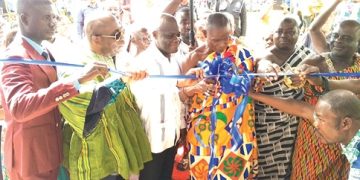
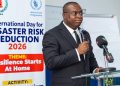
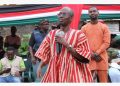
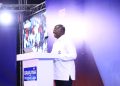
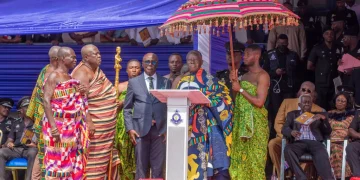
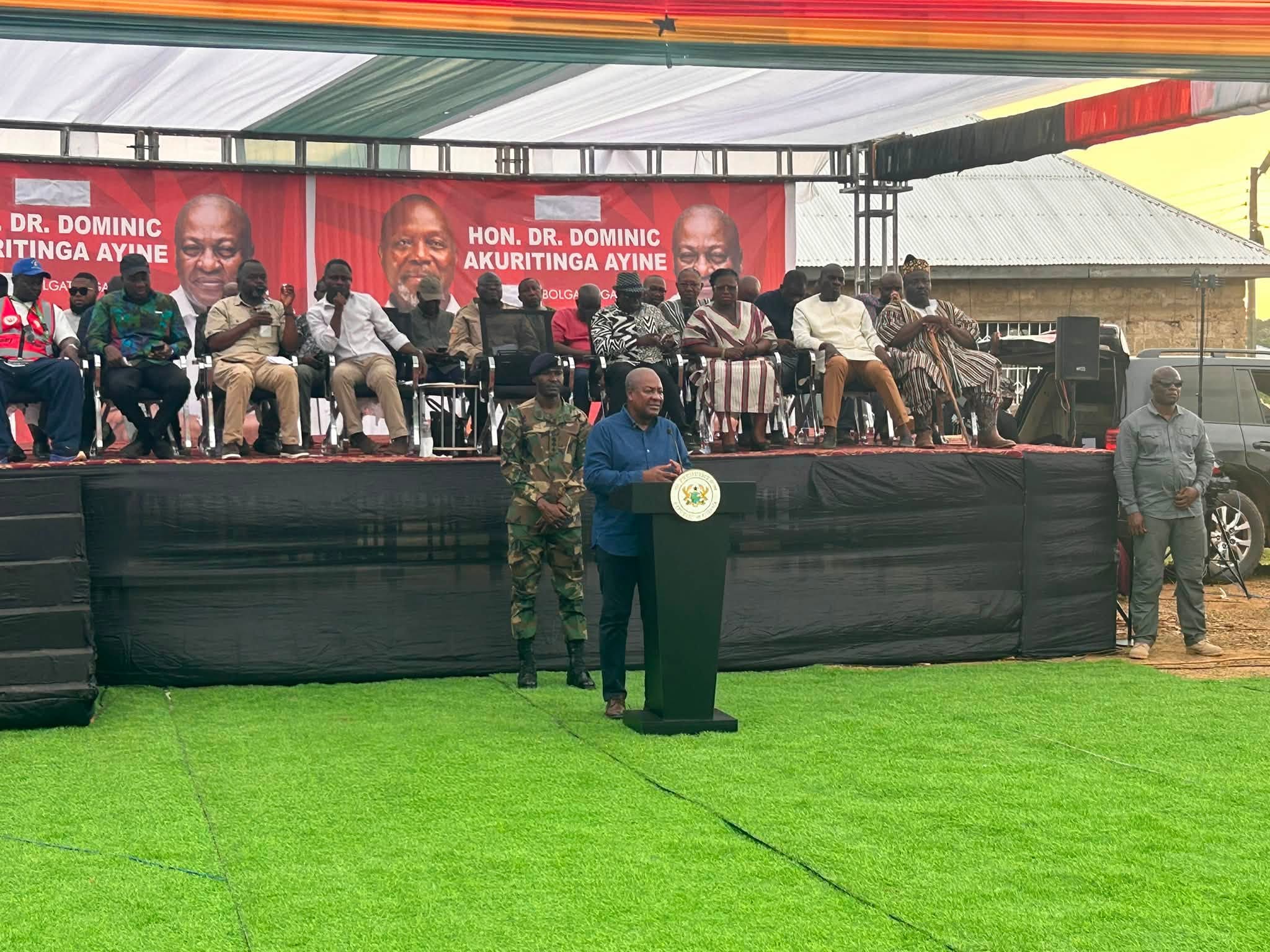
President Mahama made the call on Friday at a Free Primary Healthcare durbar at the Zuarungu Health Centre in the Upper East Region as part of his tour of the region.
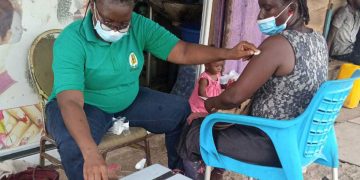
He said community health nurses and volunteers had begun visiting households to conduct basic checks and refer people requiring further care to health centres and polyclinics.
The President said the preventive approach would help detect conditions such as hypertension and diabetes before they develop into serious complications that require costly treatment.
“Sometimes you can look healthy, you can be active, but there can be something going on in your body that you don’t know,” he said.
He urged residents to allow health workers into their homes and ensure that every household member, particularly pregnant women and newborns, is screened.
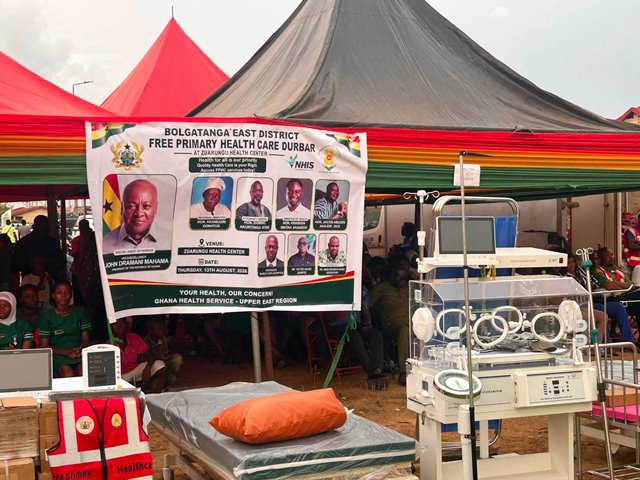
Pregnant women identified during the visits, he said, would be encouraged to attend antenatal care, while newborns would be monitored for healthy growth and vaccination.
Expanding access
President Mahama said Free Primary Healthcare would serve as the foundation of Ghana’s healthcare system, covering health kiosks, CHPS compounds, health centres and polyclinics.
He also announced measures to strengthen medicine supply, noting that Ghana currently imports about 70 per cent of its medicines.
A five-year plan has been presented to government to expand domestic pharmaceutical production and increase local manufacturing for both the domestic and export markets, he said.
On the National Health Insurance Scheme, the President said government had uncapped the National Health Insurance Fund and was ensuring timely payments to healthcare providers.
He said tariffs had also been reviewed to reflect the actual cost of treatment, insisting that patients should not be subjected to co-payments at facilities operating under the NHIS.
Specialist care
President Mahama further highlighted the Ghana Medical Trust Fund’s support for patients with expensive conditions, including cancer, kidney disease and cardiovascular illnesses.

Government, he said, was equipping major hospitals with specialised diagnostic and treatment equipment, including CT scanners and MRI machines.
He cited the development of cardiothoracic services in Tamale, which he said would provide specialist care for patients from the Upper East and other parts of northern Ghana.
“Our objective is to ensure that no Ghanaian dies because of where they were born or where they live,” President Mahama said.
Describing health as wealth, he said investment in healthcare was essential to building a productive and prosperous nation.
He also commended health workers for their service and urged nurses to treat patients with compassion, saying a reassuring attitude could positively influence recovery.
Source: www.kumasimail.com