


















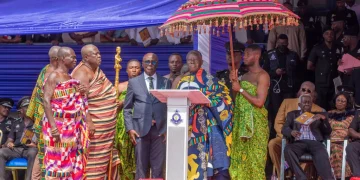
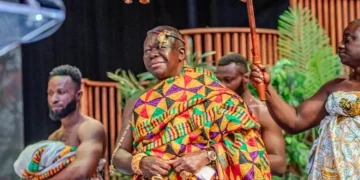



Stakeholders in Gonjaland have renewed calls for stronger protection of the kingdom’s territorial boundaries and the establishment of robust land administration systems, as concerns over land ownership and boundary disputes continue to dominate discussions on the future of the traditional area.


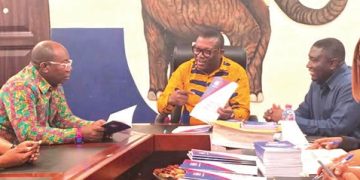
The calls were made during a two-day stakeholders’ engagement organized by the Gonjaland Youth Association (GLYA) in consultation with the Yagbonwura, Bii-Kunuto Jewu Soale I, under the theme “Charting a Sustainable Development Agenda for Gonjaland.”
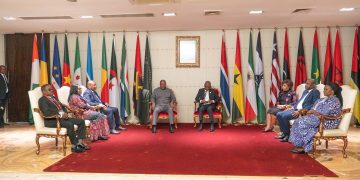
The meeting comes less than six months after the Yagbonwura and the Yaa-Naa jointly established a 20-member standing customary committee to address longstanding land boundary disputes between Gonjaland and Dagbon through dialogue and customary mechanisms.
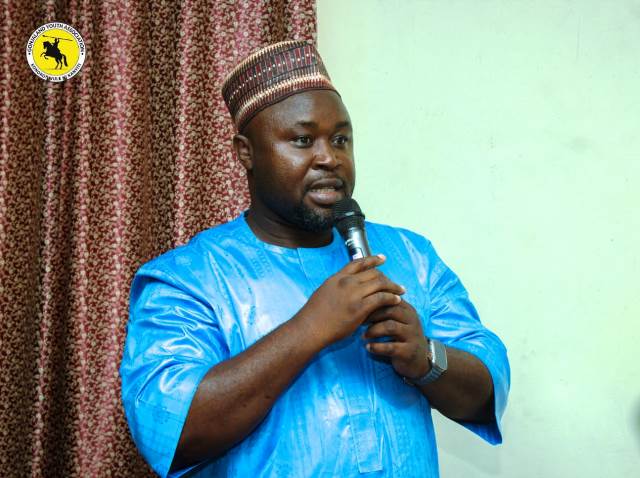
Speaking at the opening session, GLYA President Alhassan Baba Darison stressed that protecting the external boundaries of Gonjaland must remain a priority for all citizens and traditional leaders.
“The territorial integrity of the Gonja Kingdom remains a collective responsibility requiring commitment, vigilance and strategic action from all stakeholders,” he said.
Regional Minister Advocates Land Secretariats
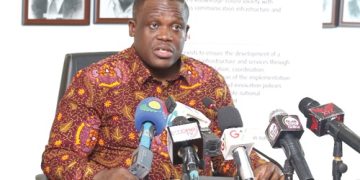
The Savannah Regional Minister, Hon. Salisu Be-Awuribe, commended the youth association for initiating the dialogue and urged all paramount chiefs within Gonjaland to establish Customary Land Secretariats to improve land governance.
According to him, stronger documentation and administration systems would help safeguard traditional lands and reduce disputes.
“The establishment of Customary Land Secretariats will significantly improve land administration, documentation and protection of traditional lands,” the Minister stated.
He also advocated the use of clearly identifiable geographical features in demarcating traditional boundaries to strengthen ownership claims and minimize conflicts.
UDS Pro Vice-Chancellor Calls for Surveys, Documentation
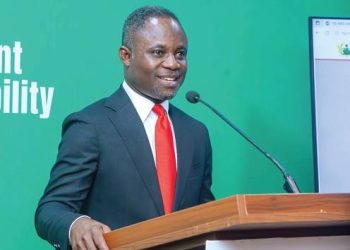
Chairman of the programme and Pro Vice-Chancellor of the University for Development Studies (UDS), Professor Elliot Alhassan Haruna, urged Metropolitan, Municipal and District Assemblies in the Savannah Region to work closely with traditional authorities to properly survey and document traditional lands.
“Accurate land surveys remain essential for protecting the territorial integrity of Gonjaland and preventing future disputes,” he said.
Professor Haruna further appealed to MMDCEs to support the establishment of Customary Land Secretariats across traditional areas, describing effective land administration as critical to the development interests of Gonjaland.
Beyond land issues, he called on Gonjalanders at home and abroad to support efforts to establish a dedicated television station for the kingdom.
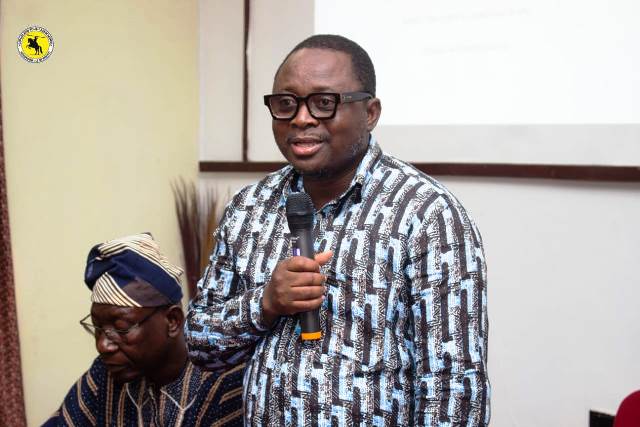
“Such a platform would help preserve and promote the culture, history and traditions of Gonjaland while serving as a voice for development advocacy,” he noted.
Experts Push for Certified Boundary Map
Technical sessions led by land governance expert Dr. Abdulai Akibu and historian Bengowura Adam Sam focused on the historical boundaries of the Gonja State, existing land challenges and strategies for producing a certified and legally recognized map of Gonjaland.
Participants also discussed land documentation, preservation of indigenous Gonja place names, strategic settlement of boundary communities and strengthening institutions to defend Gonja lands against encroachment.
Heritage Documentation Essential
Adding his voice, Professor Adam Sulemana Achanso emphasized the need to preserve the kingdom’s history through systematic documentation.
“Historical records, traditional boundaries, land ownership records, cultural heritage sites and oral histories must be properly documented to serve future generations and strengthen the legal, historical and cultural claims of the Gonja people,” he said.
Beyond Boundaries
While boundary protection featured prominently, stakeholders also deliberated on a long-term development framework for Gonjaland, covering education, healthcare, agriculture, infrastructure, youth empowerment, security, environmental sustainability, cultural preservation and economic transformation.
Participants agreed that safeguarding the territorial integrity of Gonjaland and pursuing a coordinated development agenda are essential to securing sustainable growth and prosperity for future generations.
The recommendations from the engagement are expected to be consolidated into actionable proposals to guide future interventions on land governance and strategic development across the Gonja Kingdom.
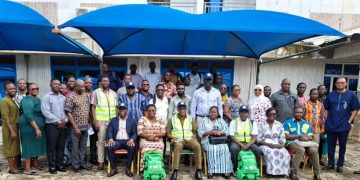
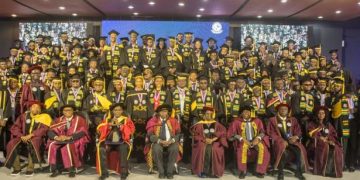
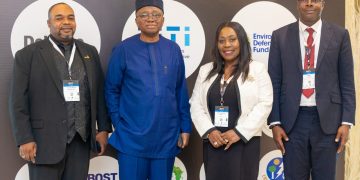
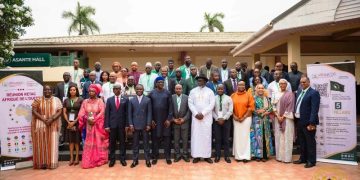
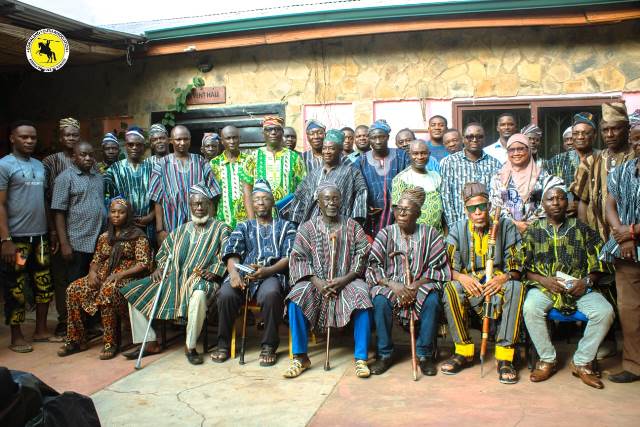
The meeting was attended by the Savannah Regional Minister, all seven MMDCEs in the Savannah Region, traditional authorities, academics, researchers and development practitioners from across Gonjaland.
Source: www.kumasimail.com