







































Founding President and Chief Executive Officer of the IMANI Centre for Policy and Education, Franklin Cudjoe, has been appointed to Ghana’s Joint National-United Nations Steering Committee (JSC), the country’s highest strategic oversight body responsible for guiding the development and implementation of the 2027-2030 United Nations Sustainable Development Cooperation Framework (UNSDCF).


The appointment comes as the Government of Ghana and the United Nations begin designing the next Cooperation Framework, the principal strategy through which the UN system aligns its support with Ghana’s national development priorities and the Sustainable Development Goals (SDGs).
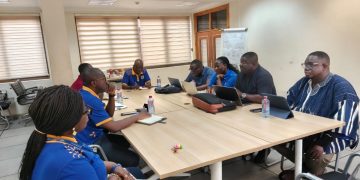
Co-chaired by Finance Minister Dr. Cassiel Ato Forson and the United Nations Resident Coordinator, the committee comprises senior government officials, heads of UN agencies, development partners, private sector representatives, civil society organisations and minority groups. It provides strategic oversight for one of Ghana’s most important national development planning processes.
In a statement announcing the appointment, IMANI said Mr. Cudjoe’s inclusion on the committee “reflects the important role that independent public policy institutions and civil society organisations like IMANI play in strengthening national development planning.”
The committee is mandated to oversee implementation of the Cooperation Framework, review progress, identify emerging development challenges and opportunities, strengthen accountability between the Government of Ghana and the United Nations system, promote policy coherence and support resource mobilisation. It will also endorse annual results, review country performance reports, oversee independent evaluations and recommend strategic adjustments where necessary.
Its work comes at a critical period for Ghana, as the country seeks to consolidate macroeconomic recovery while addressing persistent structural challenges, including youth unemployment, climate vulnerability, governance and accountability concerns, limited economic diversification and domestic resource mobilisation.
According to IMANI, the roadmap for developing the 2027-2030 Cooperation Framework includes national and sub-national consultations, coordination across UN agencies, strategic planning retreats, preparation of outcome and results frameworks, resource mobilisation planning and final government approval before implementation begins in 2027.

The policy think tank noted that reviews of the current Cooperation Framework have recorded progress in food systems transformation, youth employment, health, education, social protection, migration governance, climate-smart agriculture, peacebuilding and digital innovation. However, they also identified the need for stronger coordination, improved data systems, sustainable financing, enhanced communication and broader partnerships.
Mr. Cudjoe is widely recognised as one of Africa’s leading public policy advocates, with more than two decades of experience in governance, institutional reform, economic policy and democratic accountability. Under his leadership, IMANI has grown into one of Africa’s leading independent public policy think tanks, consistently ranked among the continent’s most influential policy research institutions.
His career has included engagements with governments, international organisations and global policy leaders on economic reform, governance and development. He has also served on Ghana’s Ministry of Finance Foreign Exchange Development Committee and DANIDA’s Sounding Board for Private Sector Initiatives.
His international recognitions include being named a Young Global Leader by the World Economic Forum in 2010 and being listed among The Africa Report’s Top 50 Africans. He has also undertaken executive education programmes at Harvard Kennedy School and other leading international policy institutions.
IMANI said the appointment provides another opportunity for the organisation to contribute its longstanding commitment to evidence-based research and policy analysis to a national platform that will shape Ghana’s development priorities over the next four years.
“The Committee’s decisions will influence strategic priorities, implementation arrangements, resource mobilisation and monitoring mechanisms intended to support sustainable development, strengthen national institutions and advance progress towards the Sustainable Development Goals,” the statement said.
Source: www.kumasimail.com