






























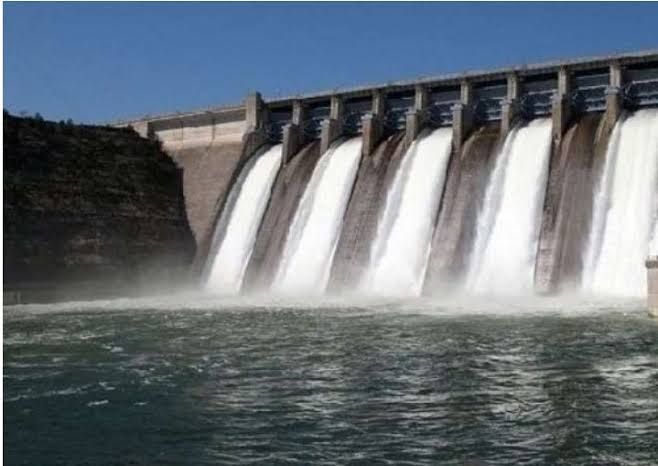
Communities along the White Volta River have been placed on flood alert following plans by authorities in Burkina Faso to undertake a controlled spillage of the Bagré Dam, an annual exercise that has repeatedly displaced thousands of people, destroyed farms and infrastructure, and imposed huge humanitarian and economic costs on Ghana, particularly in the northern regions.


The Water Resources Commission (WRC) announced on Tuesday that it had received official notification from SONABEL, operators of the Bagré Dam, of a possible controlled release of water beginning Tuesday, August 11, 2026, if the reservoir level reaches 234.00 metres.
According to a WRC press release dated August 4, 2026, the dam’s water level stood at 232.93 metres as of Tuesday, August 4, representing a reservoir filling rate of 62.77 per cent.
The Commission has consequently advised residents and stakeholders living along the White Volta River and adjoining communities to remain vigilant and strictly comply with safety directives issued by their respective Metropolitan, Municipal and District Assemblies (MMDAs), as well as emergency and disaster management agencies.
It urged residents in flood-prone communities to take all necessary precautionary measures to protect lives, property and livelihoods ahead of the anticipated spillage.

The annual controlled release of water from the Bagré Dam has, over the years, become a major source of flooding in northern Ghana. The spillage has frequently inundated communities in the Upper East, North East, Northern, Savannah and parts of the Upper West regions, destroying homes, schools, health facilities, roads, bridges and farmlands while forcing thousands of residents to seek temporary shelter.
Beyond the humanitarian impact, successive floods have disrupted economic activities, cut off communities, affected food production and compelled government to spend millions of cedis on emergency relief operations, reconstruction of damaged infrastructure and support for displaced households. Farmers, traders and fishing communities have often suffered significant losses as crops, livestock and other livelihoods are washed away by floodwaters.
The recurring floods have renewed calls for long-term flood mitigation measures, including improved early warning systems, strengthened flood-control infrastructure, better land-use planning and enhanced bilateral cooperation between Ghana and Burkina Faso on the management of transboundary water resources.
The Water Resources Commission said it will continue to monitor developments closely and provide timely updates, urging residents to remain alert and cooperate fully with local authorities throughout the period of the planned spillage.
Source: www.kumasimail.com