







































Poor returns drove farmers away from cotton production, depriving the Pusu-Namongo cotton ginnery in the Talensi District of the raw materials it needed to survive and contributing to the collapse of the once-operational facility.


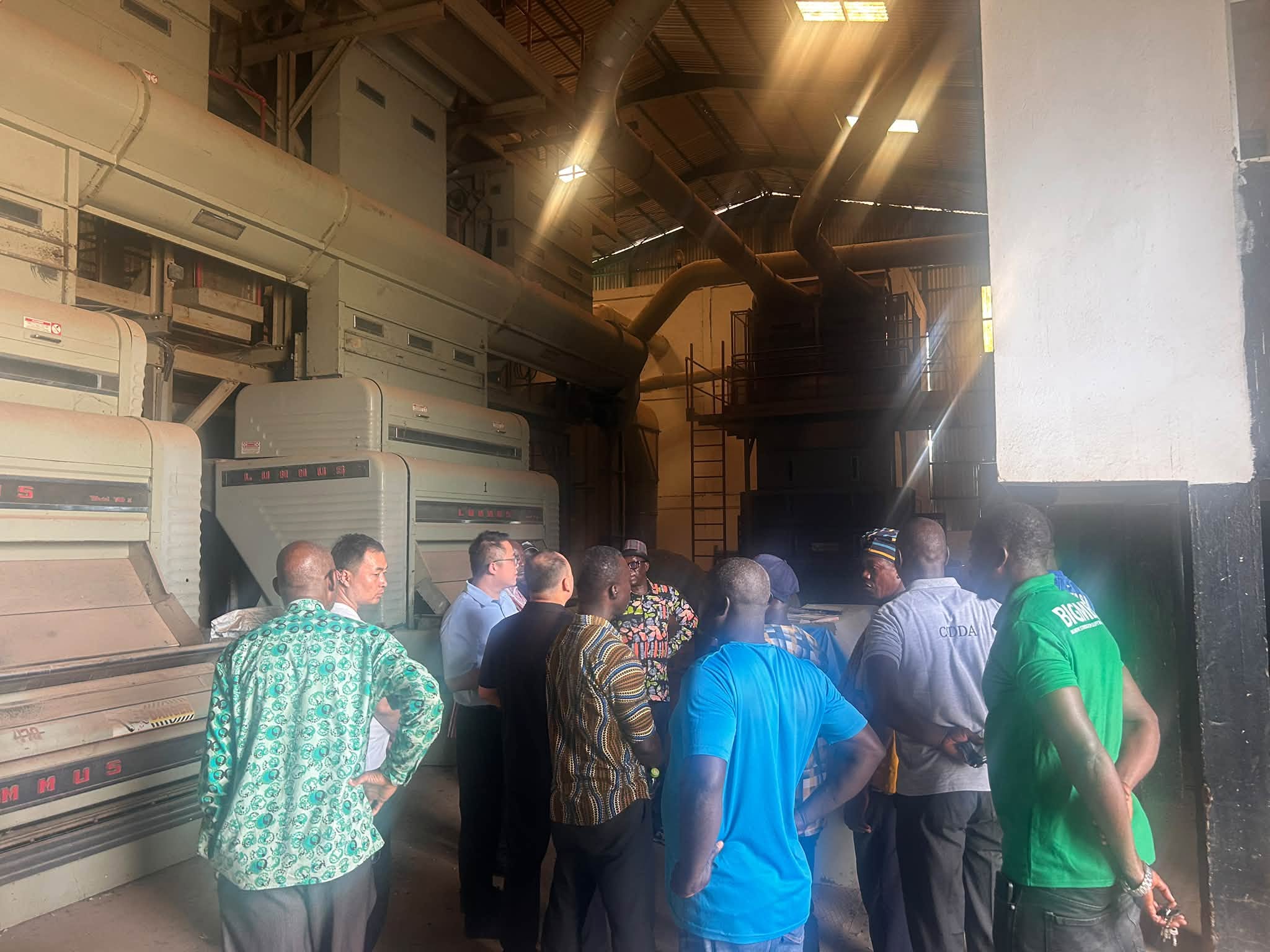
The situation emerged during a visit to the dormant ginnery by Upper East Regional Minister, Hon. Akamugri Donatus Atanga, and a delegation of investors from Hanway International Investment Limited, who are assessing the facility for a possible revival.
The delegation was briefed on how dissatisfaction with payments for harvested cotton gradually discouraged farmers from cultivating the crop, weakening the supply chain that sustained the ginnery’s operations.
Farmers reportedly felt short-changed when their cotton was weighed at the factory, arguing that the compensation they received did not adequately reflect the cost, labour and time invested in production.
As cotton cultivation declined, the ginnery struggled to secure sufficient raw materials, contributing to the eventual collapse of its operations.
The experience highlights the importance of making cotton production financially attractive to farmers if efforts to revive the facility are to succeed.
Harvesting practices worsened the problem
Beyond poor returns, the delegation was also briefed on harvesting practices that reportedly affected the weight of cotton delivered to the ginnery.
Farmers were said to have delayed harvesting until the cotton had dried excessively, rather than picking it at the appropriate stage when it retained some moisture.
The practice was partly attributed to competing agricultural demands, with farmers prioritising the harvesting of other crops before turning their attention to cotton.
The resulting reduction in the weight of cotton delivered to the factory further complicated the supply chain, adding to the challenges facing the facility.
The briefing suggests that any attempt to restore the ginnery would need to address not only its physical condition but also the economic incentives and farming practices that determine the availability and quality of raw materials.
Investors assess prospects for revival
The visit by Hon. Atanga and the Hanway International Investment Limited delegation provided an opportunity to examine the challenges that undermined the ginnery and assess the prospects for restoring its operations.

The facility previously sourced cotton from production areas including Tumu, Wulugu, Winkogo and Tamale, linking farmers in different communities to an industrial processing operation.
Its collapse represents a disruption to that production chain, particularly for farmers who previously cultivated cotton for the factory.
For a revival to be sustainable, a reliable supply of cotton would be essential. That would require renewed farmer participation, dependable arrangements for purchasing harvested cotton and production practices that support consistent supplies to the factory.
The investor engagement comes amid broader efforts to explore opportunities for reviving dormant agro-industrial facilities in the Upper East Region.
However, no final investment commitment or timeline for reopening the Pusu-Namongo ginnery was announced during the visit.
The central challenge is whether a new investment arrangement can restore confidence among cotton farmers while ensuring that the ginnery has sufficient raw materials to operate sustainably.
Source: www.kumasimail.com