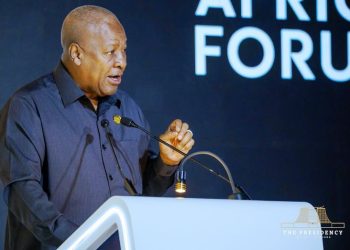

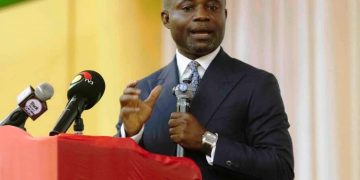


























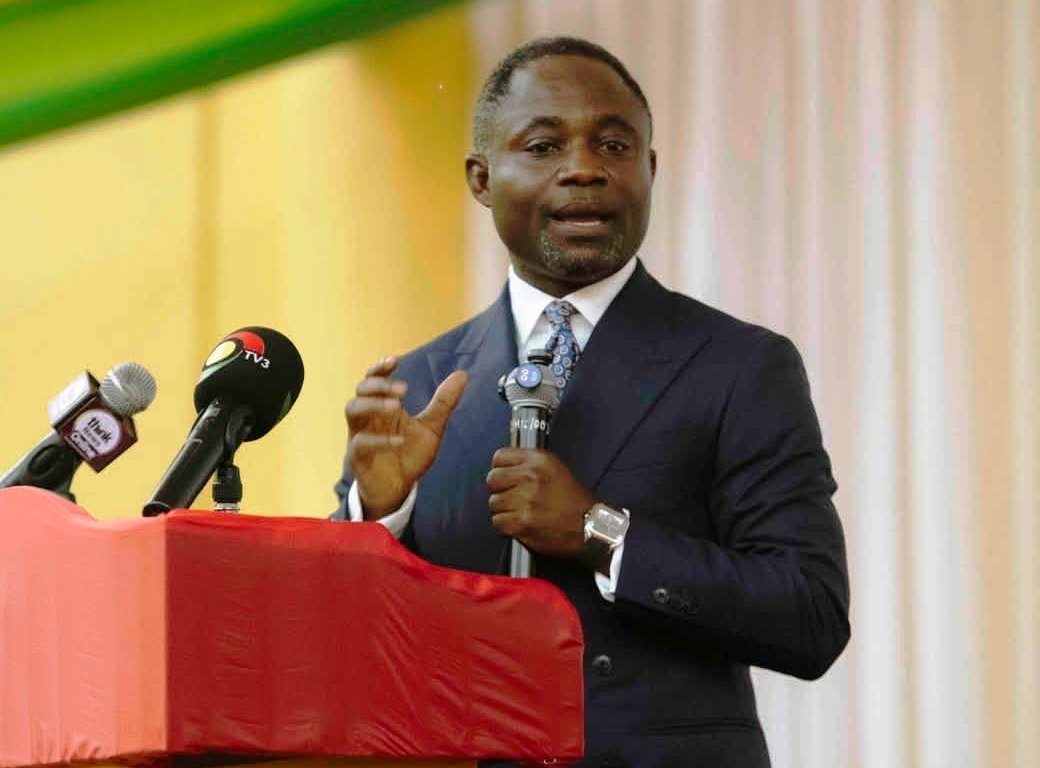
Ghana’s health workforce challenge is not only about the number of health professionals available but also where they are deployed, Health Minister Kwabena Mintah Akandoh has acknowledged.



Mr Akandoh said 41 per cent of Ghana’s population lives in rural communities, yet only 38 per cent of health workers are deployed to those areas, highlighting a persistent geographical imbalance in access to healthcare.
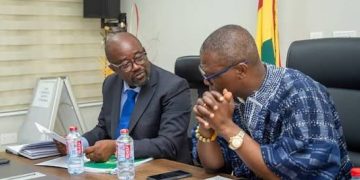
He made the disclosure during a Health Sector Stakeholder Engagement in Accra on Wednesday, October 7, 2026, where he outlined developments and priorities in the health sector.
The figures suggest that increases in the overall number of health professionals do not automatically translate into equal access to healthcare, particularly for people living in rural and underserved communities.
According to the Minister, Greater Accra and Ashanti Regions continue to attract a significant proportion of doctors and pharmacists, while other parts of the country struggle to secure adequate numbers of health professionals, particularly specialists.
He said government had, however, recorded a significant improvement in the willingness of doctors to accept postings to underserved regions.
Mr Akandoh disclosed that only 12 medical officers accepted postings to eight underserved regions in 2024.
That number subsequently increased to about 100 doctors following government deployment efforts.
The Minister said the challenge now was to create conditions that would encourage health professionals posted to deprived areas to remain there.
Accommodation, he noted, remained one of the issues that needed attention, particularly for doctors and other professionals deployed to areas where suitable housing is limited.
The government is also attempting to address the imbalance through the decentralisation of specialist training.
Mr Akandoh has announced plans to expand postgraduate medical education beyond the traditional centres of Accra and Kumasi to Wa, Bolgatanga and Ho.
The strategy is intended to bring specialist training closer to underserved regions and potentially improve the distribution of specialists across the country.
The government has also begun work on three 160-bed regional hospitals in the Savannah, Oti and Western North Regions.
The three projects form part of a plan for six new regional hospitals, with the remaining three expected to be taken up in 2027.
Mr Akandoh’s position is that Ghana’s pursuit of Universal Health Coverage cannot depend solely on constructing hospitals, procuring medical equipment or expanding health insurance coverage.
The country must also ensure that health facilities, particularly those in rural and underserved communities, have enough professionals to operate them.
The challenge is becoming more significant as government expands its Free Primary Healthcare programme.
The programme is currently being implemented in 135 districts, with government targeting 150 districts by the end of 2026.
For Ghana, the Minister’s figures point to a health workforce problem that goes beyond shortages. The country must also address the distribution, motivation, accommodation and retention of health professionals if expanded healthcare infrastructure and programmes are to translate into improved access for rural communities.
Source: www.kumasimail.com