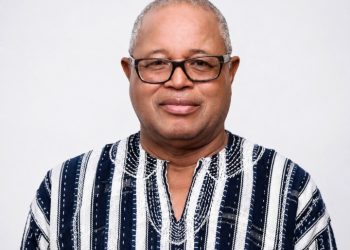







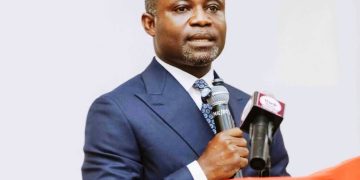




























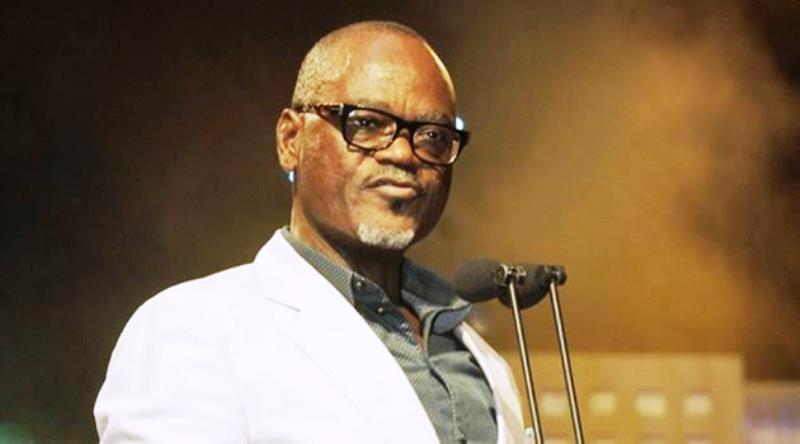
Ghanaian businessman and football administrator Dr Kofi Amoah, popularly known as Citizen Kofi, has called for tougher sanctions against public officials who mismanage state funds, warning that appeals for accountability without credible enforcement will do little to end corruption.


He says Ghana must treat corruption, financial waste and leakages in public expenditure as its number one enemy if the country is to make meaningful progress.
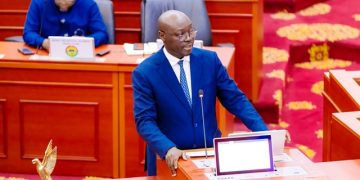
His comments follow a call by Finance Minister Dr Cassiel Ato Forson for public officials to account for every cedi entrusted to them and ensure the recovery of outstanding public funds.
While welcoming the minister’s position, Dr Amoah questioned whether admonishing public officials to account for state resources was adequate, arguing that the government must move beyond verbal appeals to establish effective monitoring systems and impose severe penalties on offenders.
In a statement reflecting on the minister’s call, he said it was disheartening that the country’s chief financial administrator had resorted to what he considered mild admonishment without spelling out the consequences for officials who misappropriate or improperly manage public funds.
“Frankly, it is disheartening to hear such admonishing from the top government financial administrator, and especially in such mild and unserious manner,” he said.
Dr Amoah argued that public officials should already understand that state resources do not belong to them personally, insisting that the responsibility for protecting public funds rests with a broader system of financial accountability.
He questioned whether the central government was adequately fulfilling its responsibility to ensure that all public revenue, including taxes, loans and grants contracted and received on behalf of Ghana, was properly accounted for.
He said comprehensive accounting, revenue and expenditure systems were necessary to monitor the disbursement of public funds down to the last pesewa.
For him, the challenge goes beyond reminding public officials of their responsibilities. It requires a system capable of detecting financial irregularities, enforcing accountability and ensuring that those who abuse public resources face consequences.
‘Thief’ cannot police himself
Dr Amoah also criticised what he considers an approach that places too much reliance on the personal responsibility of officials who control public resources, warning that it undermines public confidence in the management of state funds.
“To ask the ‘thief’ to become his own ‘policeman’ is frankly a slap to the dignity and sensibility of Mr and Mrs Q. Public!” he said.
He maintained that the government must demonstrate greater determination to eliminate corruption and financial malfeasance in the public sector, which he identified as major obstacles to Ghana’s development.
Invoking the example of the late President John Evans Atta Mills, Dr Amoah said those responsible for protecting public resources must show visible anger and resolve in confronting corruption rather than rely on mild public admonitions.

He called for concrete measures to prevent financial abuse and ensure that public officials entrusted with state resources are subject to effective oversight.
Accountability must produce results
Despite his criticism, Dr Amoah acknowledged that Dr Ato Forson had performed well in several areas of his responsibilities. However, he warned that the country’s development prospects would remain constrained if corruption and other forms of financial mismanagement were not brought under control.
He argued that the recovery of misappropriated funds and the prevention of further losses must become central priorities in the management of the public purse.
“We must treat corruption, financial waste and leakages in Ghana’s public funds as enemy number one, and kill it!” he declared.
His intervention adds to the debate over how Ghana can strengthen public financial management and ensure that audit findings and calls for accountability translate into measurable action.
At the heart of his argument is the need to move beyond appeals for public officials to do the right thing towards enforceable systems that protect state resources, punish wrongdoing and prevent financial losses.
Source: www.kumasimail.com