







































MTN Ghana has engaged the Driver and Vehicle Licensing Authority (DVLA) and the Police Motor Traffic and Transport Department (MTTD) to train its fleet drivers on the new Road Traffic Regulations, 2026 (L.I. 2519), in a proactive move to strengthen compliance and help prevent road crashes.


The initiative covers personnel who drive MTN vehicles, from executives to other staff operating company vehicles, with the focus on equipping them with knowledge of the new requirements and their responsibilities as road users.
Kwesi Bona Otuo-Srebour, Acting Director of Vehicle Inspection and Registration at the DVLA, commended MTN for taking the initiative, describing the training as an important shift from reacting to road traffic violations to preventing them.
“The importance of this exercise is to take enforcement away from reactive response to challenges to preventive response,” Mr Otuo-Srebour said.
He said the training would equip MTN drivers with the knowledge needed to comply with the new law and avoid situations where motorists only became aware of violations after being arrested or penalised.
Mr Otuo-Srebour urged other corporate organisations to emulate MTN by ensuring that their drivers understood changes in road traffic regulations and what was expected of them in terms of compliance and responsible road use.
“The end result is very simple: safety on our roads, or safer roads; safer vehicles on the part of DVLA and safer drivers who will use our roads,” he said.
The engagement comes as Ghana begins implementing L.I. 2519, which introduces new requirements for road users and provides for stronger enforcement of traffic offences, including the use of electronic systems.
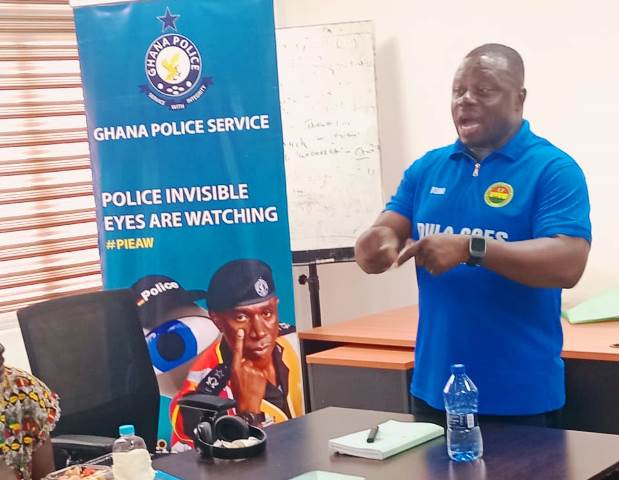
National Director of Research at the Police MTTD, ACP Alexander Obeng, said the training was particularly important because MTN’s fleet operates extensively on the country’s roads and its drivers must be properly trained, competent and equipped to make safer decisions.
He said preventable crashes continued to cause deaths and injuries, making driver training, vehicle maintenance and adherence to road safety practices critical.
“Preventable crashes and incidents are all over, associated with deaths and injuries,” ACP Obeng said. “Therefore, giving them the best road safety practices goes a very long way to sharpen their skills, make them safer road users and also impress on them to always deploy safer vehicles.”
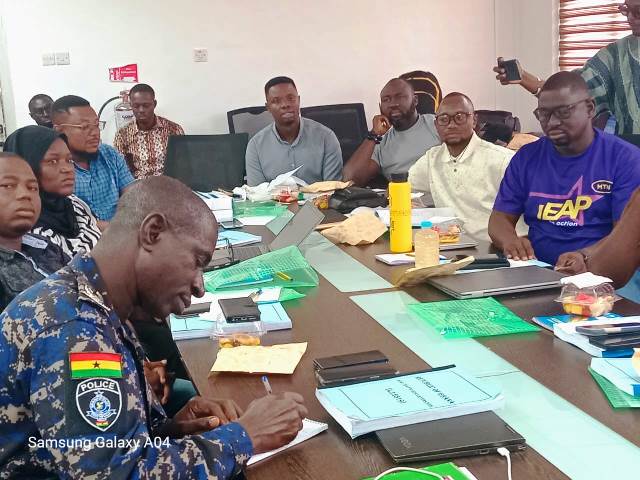
He said the collaboration between MTN, the Police and the DVLA was expected to contribute to safer vehicles and safer roads while supporting Ghana’s broader road safety target of reducing crashes and associated deaths and injuries.
Digital enforcement
ACP Obeng also disclosed that the Police Service was building capacity for the implementation of automated road traffic offences and fines under L.I. 2519.
He said the technology-driven system would complement conventional enforcement by allowing traffic offences to be detected and processed even when police officers were not physically present.
“We have built the capacity, we have built our system, and our back office is inspected,” he said, adding that further stakeholder sensitisation would be undertaken before the system becomes fully operational.
According to him, the Police expected to intensify sensitisation in September and October as part of preparations for the wider implementation of the digital traffic enforcement system.
ACP Obeng said L.I. 2519 also provides for RFID-embedded chips in vehicle number plates to improve vehicle traceability.
He explained that the technology would help identify vehicle owners and facilitate enforcement by allowing traffic tickets to be linked to vehicles and their owners.
The Police, together with the DVLA, National Insurance Commission and other relevant stakeholders, is expected to undertake sensitisation programmes across the country to educate drivers, vehicle owners, transport operators, pedestrians and other road users on the new requirements.
Mr Otuo-Srebour said the increased use of technology could help address indiscipline on the roads by creating a form of continuous enforcement.
“Where indiscipline on our roads [occurs], people do it because they know nobody’s watching them,” he said. “But the cameras don’t go to sleep.”
He said electronically generated traffic fines sent to motorists’ phones could serve as a deterrent and encourage behavioural change.

“It’s how the person drives through the rain that causes the accident,” he said, arguing that motorists must take responsibility for how they respond to environmental and road conditions.
“If the roads are bad, it’s how the person drives on that bad road that causes the accident,” he added.
Road crashes
ACP Obeng said Ghana had recorded a marginal improvement in road crash indicators between January and July 2026 compared with the same period last year, but stressed that the reduction was not enough.
He said the country recorded about 8,100 crashes in the comparable period last year, while vehicles involved in crashes declined from almost 14,000 to about 13,800 this year.
Deaths stood at about 1,703, with approximately 720 associated with motorcycle-related injuries. Injuries were estimated at around 9,000.
He identified excessive speeding, inadequate street lighting, improperly parked vehicles, limited towing capacity, vehicle maintenance and motorcycle use among the key challenges requiring continued attention.
ACP Obeng said the combination of driver education, safer vehicles, stronger compliance and technology-driven enforcement would be critical to reducing preventable crashes and making Ghana’s roads safer.
The MTN initiative, he said, demonstrated the importance of corporate organisations working with road safety institutions to ensure that drivers understand their responsibilities and contribute to the broader national road safety effort.
Source: www.kumasimail.com