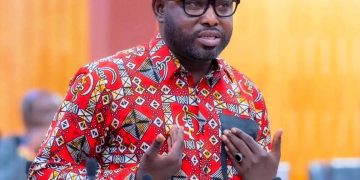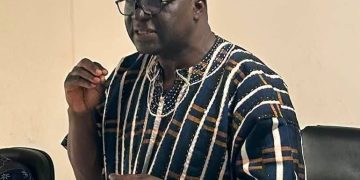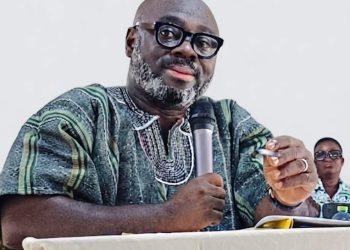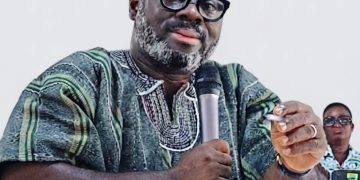













Veteran journalist Kwesi Pratt Jnr has challenged the growing emphasis on constitutional reform as a solution to Ghana’s governance problems, arguing that changing the country’s supreme law will achieve little without changes in the conduct of political leaders and state institutions.


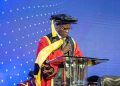
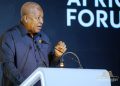
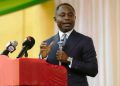
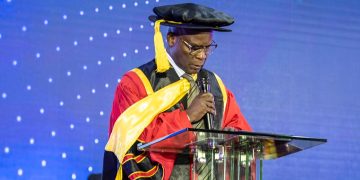
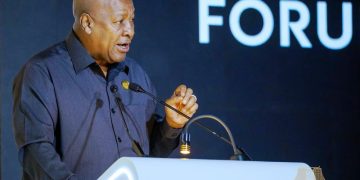
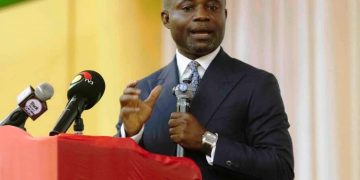
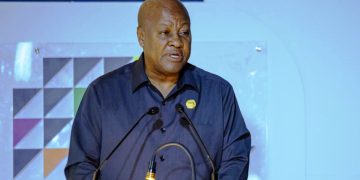
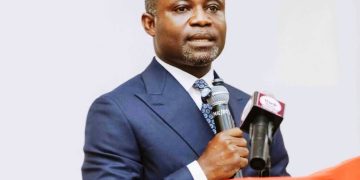
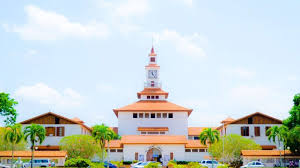
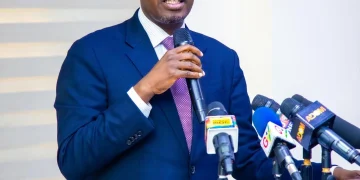
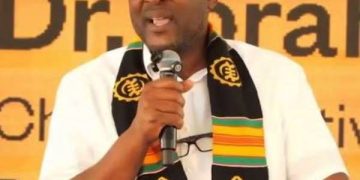
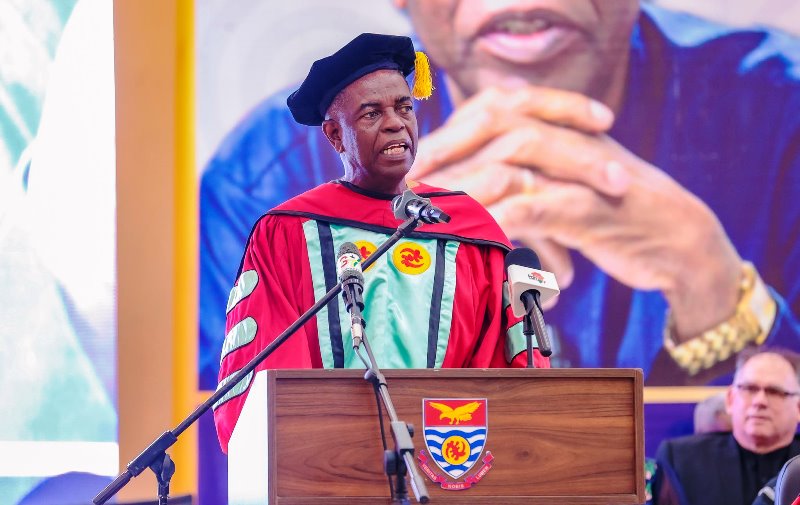
Mr Pratt made the argument on Thursday, September 17, 2026, when he delivered the first of the 15th Kwame Nkrumah Memorial Lectures at the University of Cape Coast.
Speaking on the theme, “Kwame Nkrumah, Yesterday, Today and Tomorrow: Perspectives on Constitutionalism, Development and Pan-Africanism,” he said Ghana’s constitutional difficulties could not be explained simply by defects in the 1992 Constitution.
He acknowledged that portions of the Constitution required correction but argued that the behaviour of those entrusted with political power was equally important.
“No Constitution enforces itself,” he said, stressing that the outcome of any constitutional arrangement depends largely on how political leaders and state institutions operate it.
Mr Pratt argued that the tension between Ghana’s economic realities and the rights and promises contained in the Constitution often works against poor and marginalised citizens.
He cautioned that repeated calls for constitutional review could sometimes divert attention from the conduct of public officials and institutions.
According to him, correcting defects in the constitutional text is necessary, but it cannot by itself protect citizens from abuses of power or poor governance.
He used the experience of Kwame Nkrumah’s government to make a broader argument about the relationship between constitutional change and political transformation.
Mr Pratt said Nkrumah did not regard constitutional reform as useless. Rather, he argued, Nkrumah opposed constitutional arrangements that preserved colonial control while delaying the transfer of meaningful political authority to the people.
The veteran journalist said Nkrumah understood constitutional change as part of a wider struggle for self-government and national independence.
UCC records from the lecture also show that Mr Pratt presented Nkrumah as both a mass organiser and a constitutional strategist, stressing the importance of mobilising ordinary citizens in the struggle for political change.
He also addressed one of the most controversial aspects of the Nkrumah era, the Preventive Detention Act of 1958, which permitted detention without trial.

Mr Pratt acknowledged the gravity of such powers but argued that the historical circumstances surrounding the measure, including bomb attacks, assassination attempts and violent conspiracies against the Nkrumah government, should be considered when assessing its introduction.
At the same time, he acknowledged the human consequences of detention without trial and said any government exercising such powers must accept responsibility for their consequences.
His lecture comes against the backdrop of Ghana’s current debate over constitutional reform.
The central point of his presentation, however, was that constitutional amendments should not be treated as a substitute for accountable political leadership, effective state institutions and meaningful enforcement of constitutional rights.
Mr Pratt’s intervention formed the first part of a two-day examination of Nkrumah’s legacy, with the second lecture focusing more heavily on economic independence, industrialisation and Africa’s continuing dependence on external production.
Source: www.kumasimail.com