







































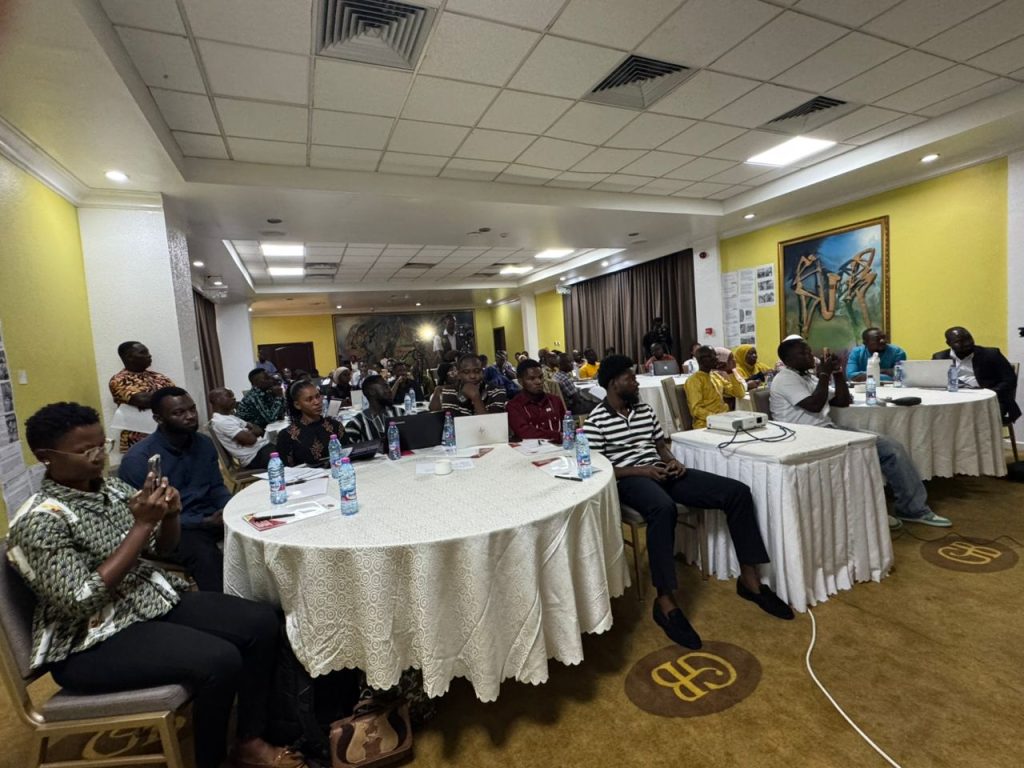
The STAR-Ghana Foundation has convened a two-day Community-Based Volunteerism Project Learning Event in Kumasi, bringing together volunteers, partner organisations, community leaders, government representatives, development practitioners and other stakeholders to assess the impact of volunteerism on community development and active citizenship.


The event, held from June 9 to 10 in the Ashanti Region, serves as a platform for participants to share experiences, successes and challenges from the implementation of the Foundation’s Volunteerism Project, a pilot initiative aimed at exploring how volunteerism can be leveraged to address social, economic and governance challenges while strengthening community-led development.
Implemented through 18 partner organisations over an 18-month period, the project mobilised 446 volunteers — comprising 218 women and 228 men — across 91 communities in 30 districts and 10 regions of Ghana.
Volunteers contributed to initiatives in education, health, livelihoods, governance, child protection, natural resource management, peace and security.
Speaking at the event, stakeholders highlighted the importance of volunteerism as a critical but often underutilised resource for national development, particularly at a time when development financing is becoming increasingly constrained.
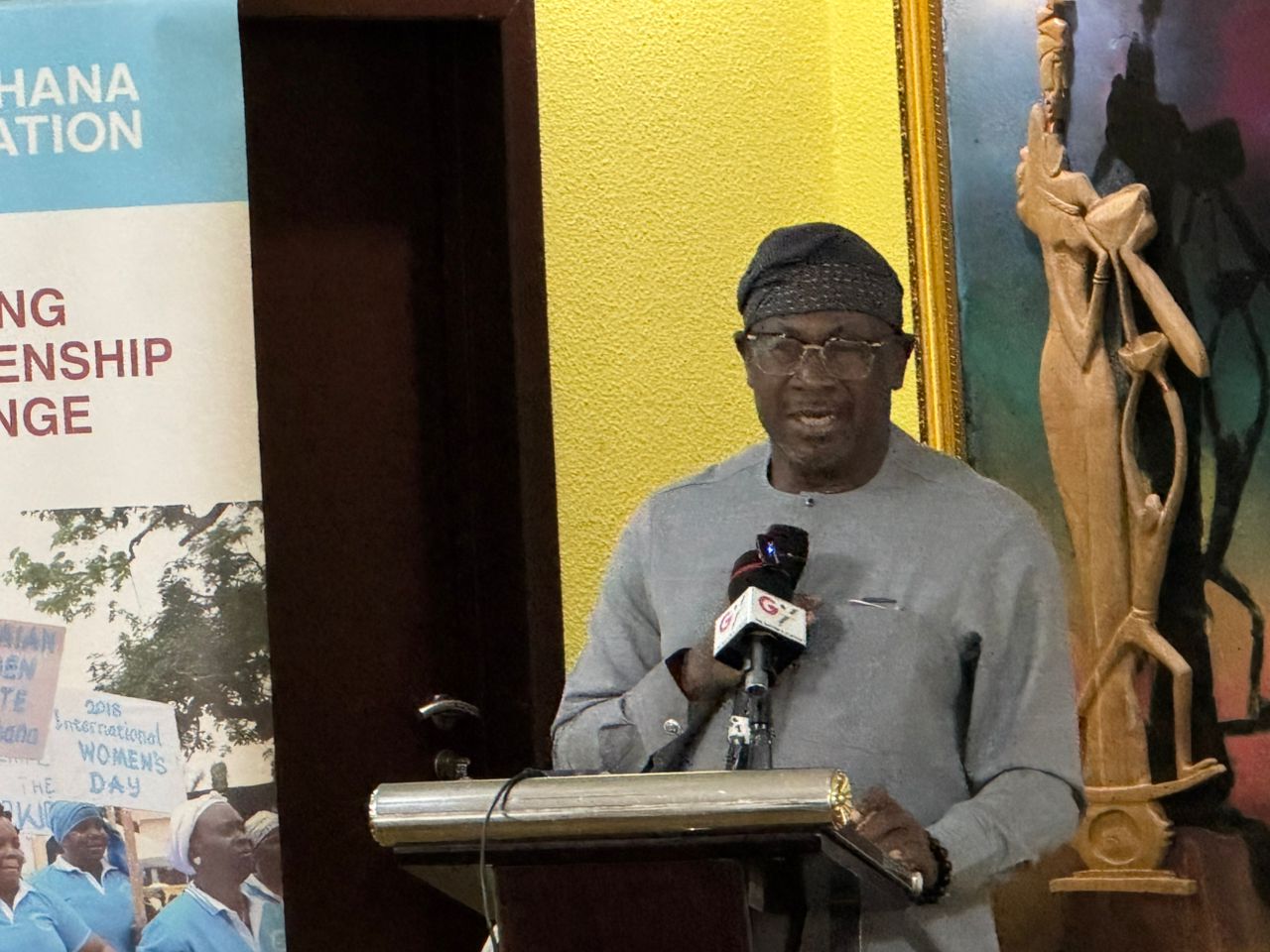
Executive Director of STAR-Ghana Foundation, Ibrahim-Tanko Amidu, underscored the longstanding role of volunteerism in community development.
“Volunteerism is not new. It has existed for as long as communities have existed,” he said.
Participants are expected to reflect on the role of volunteerism in promoting active citizenship, democratic participation and community ownership while documenting lessons and best practices to inform future programming.
Discussions during the learning event will focus on the impact of volunteerism on community development, local resource mobilisation, sustainability of volunteer-driven initiatives beyond project funding, and opportunities for government, civil society, communities and the private sector to support volunteerism.
According to organisers, the Volunteerism Project has demonstrated that citizens are willing and able to contribute their time, expertise and energy towards improving their communities when provided with the right support and enabling environment.
“Democracy is more than voting. It is about civic engagement throughout the development process and ensuring that every voice matters,” a key message from the event noted.
The Foundation also emphasised that sustainable development requires communities not only to own project outcomes but also to actively participate in the development process itself.
Expected outcomes of the learning event include the documentation of lessons and best practices from the Volunteerism Project, recommendations for strengthening volunteerism in Ghana, enhanced collaboration among stakeholders, practical strategies for sustaining volunteer initiatives beyond project funding, and increased awareness of volunteerism as a tool for community-led development.
Organisers expressed optimism that the learning event would contribute to shaping future policies and programmes that harness volunteerism as a catalyst for sustainable development and active citizenship across Ghana.
Source: www.kumasimail.com