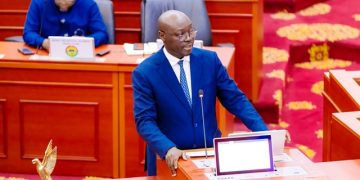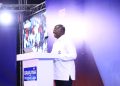






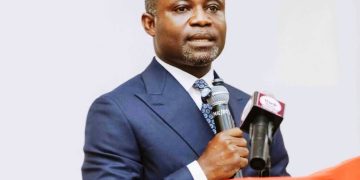























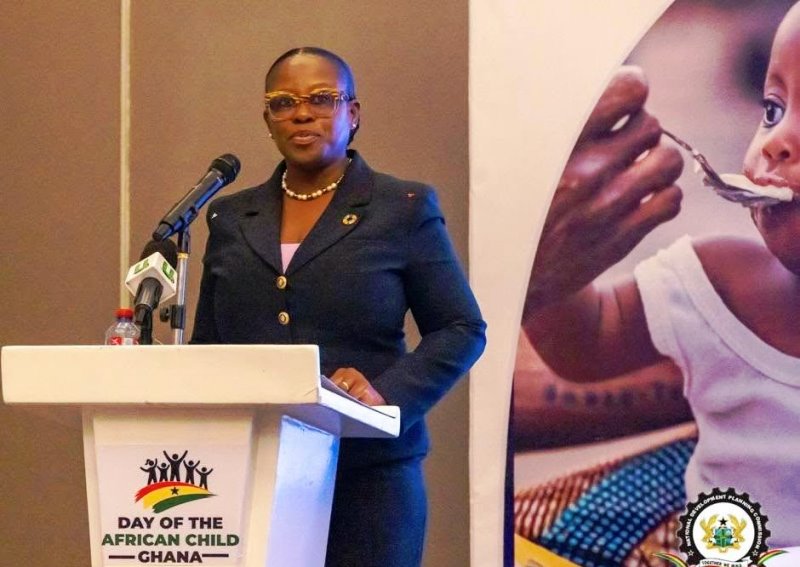
Director-General of the National Development Planning Commission (NDPC), Dr. Audrey Smock Amoah, has called for increased and better-targeted investment in children, warning that persistent deprivation and inequality continue to undermine the prospects of millions of Ghanaian children despite years of progress.


Speaking at the launch of the Situation Analysis of Children and Adolescents in Ghana (SitAn) and Assessing Public Spending by Age in Ghana reports in Accra on Monday, Dr. Amoah said the findings present a stark picture of both Ghana’s achievements and the challenges that still confront children and adolescents.
“The evidence presented reinforces a fundamental reality: investments in children are among the most important investments any nation can make. They are investments in human capital, productivity, social cohesion, resilience and sustainable development,” she stated.
While acknowledging gains in education, child survival and social protection interventions such as the Livelihood Empowerment Against Poverty (LEAP) programme, the National Health Insurance Scheme (NHIS) and the School Feeding Programme, Dr. Amoah said many children continue to suffer multiple forms of deprivation.
According to her, the reports reveal how disadvantages accumulate throughout a child’s life, often beginning before birth and persisting into adulthood.
“A child born into poverty may miss out on adequate nutrition and early stimulation, grow up without access to proper sanitation, experience child labour, enter school unprepared and later face unemployment or underemployment. These may appear as isolated challenges, but they are often the cumulative effects of systems that have not worked effectively throughout the child’s life,” she said.
Dr. Amoah stressed that public spending must be aligned more closely with stages of childhood where deprivation is most severe, particularly the early years.
“The evidence suggests there is an opportunity to strengthen the alignment between public expenditure and the pattern of deprivation experienced across the life cycle,” she noted.
She further called for stronger decentralised services, child-sensitive social protection programmes and improved data systems to support effective planning.
“We cannot plan effectively for children whom we do not adequately count or understand,” she emphasised.
Nearly Three in Four Children Multidimensionally Poor
Presenting the findings of the SitAn report, Mr. Nii Odoi Odotei, Principal Analyst at the NDPC, disclosed that nearly 73 per cent of children in Ghana are multidimensionally poor, with deprivation most acute during early childhood.
He noted that despite progress in education, health and social protection, significant inequalities persist across regions and age groups. The report also highlighted poor learning outcomes, inadequate investment in early childhood development and challenges facing adolescents, particularly girls.
Mr. Odotei said public spending remains disproportionately focused on older children even though deprivation is highest among younger age groups. He called for stronger coordination among institutions, expanded social protection programmes, improved data systems and increased investment in early childhood development.
UNICEF Calls for Strategic Investments
UNICEF Representative in Ghana, Ms Paulina Sarvilahti, commended the Government of Ghana for leading the development of the SitAn report in partnership with key stakeholders.
She described the report as a critical evidence-based tool for shaping policies and programmes that improve the lives of children and adolescents.
Ms Sarvilahti underscored the importance of the report’s life-cycle approach, saying timely and strategic investments across sectors can significantly improve outcomes for children. She added that the public spending analysis would help guide more effective allocation of resources and urged policymakers to place children at the centre of national development planning.
Government Urged to Sustain Commitment
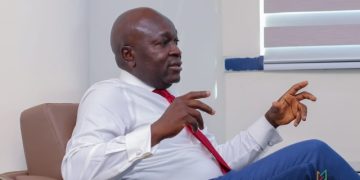
Representing the Chief Director of the Ministry of Gender, Children and Social Protection, Mr. Ebenezer Charway, Director of Administration, said the occasion, which coincided with the Day of the African Child, provided an opportunity to assess progress and renew commitments to addressing challenges affecting children.
He acknowledged that despite major advances in children’s rights and welfare through policy reforms and social interventions, many children still face multidimensional poverty, learning deficits, inadequate access to quality services and child protection concerns.
Mr. Charway stressed that access to safe water, sanitation and hygiene (WASH) remains a fundamental child rights issue with direct implications for health, education and overall well-being.
He further called for sustained financing and stronger accountability mechanisms, stressing that investment in children must remain a national development priority.
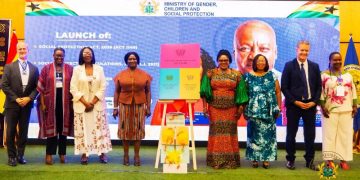
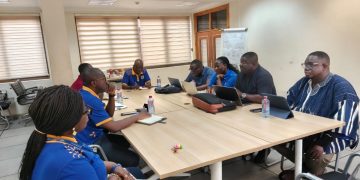
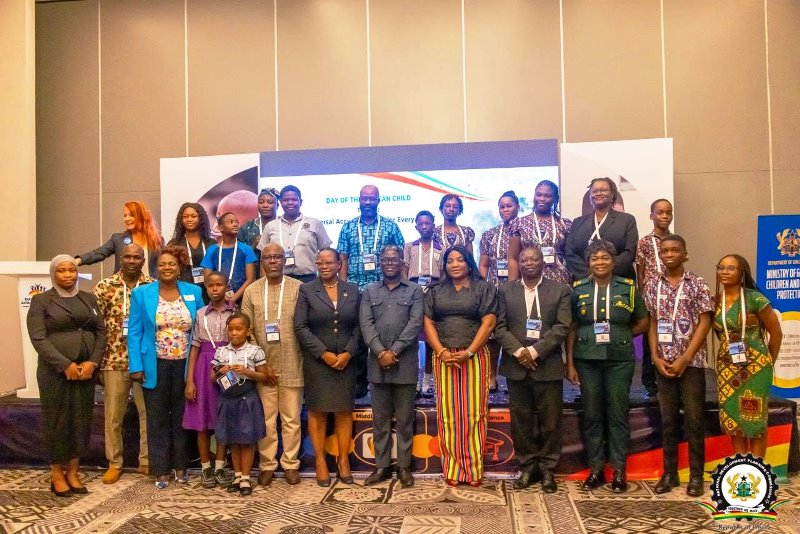
The event ended with the official unveiling of the two reports and a renewed commitment by government and development partners to work together to ensure that no child in Ghana is left behind.
Source: www.kumasimail.com