

























Only one in every five residents of the West Gonja Municipality has access to an approved toilet facility, while fewer than half of its communities have been declared Open Defecation Free (ODF), according to the Municipality’s newly released 2026–2029 Composite Budget.


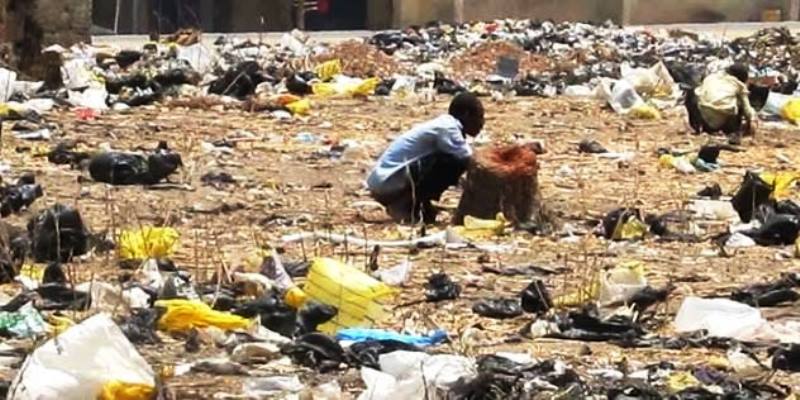
The budget paints a troubling picture of sanitation in the Municipality, identifying the “high prevalence of open defecation and general poor sanitation condition” as the most pressing challenge confronting the Assembly.
It reveals that only 20 percent of the Municipality’s population has access to any form of approved toilet facility, while just 34 of the 78 communities have attained Open Defecation Free status, leaving the majority of communities still practising open defecation.
The report also highlights significant gaps in access to potable water. Only about 51 percent of residents have access to sustainable and safe drinking water sources, while more than 60 percent of people who fetch water spend between 30 minutes and over an hour to reach a water source.
According to the budget, poor sanitation remains a bigger concern than other development challenges, including haphazard settlement patterns, inadequate drinking water facilities and deforestation resulting from charcoal production.
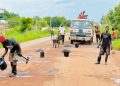
Despite the grim statistics, the Assembly says it made some progress during the outgoing year under its Environmental Health and Sanitation Services programme. Eight refuse dump sites were evacuated across the Municipality, four institutional latrines at Damongo Senior High School (DASS), the Damongo Nursing Training College and Ndewura Jakpa Senior High School (NDESCO) were dislodged, while clean-up exercises and sanitation campaigns were organised to improve environmental hygiene.
To tackle the sanitation deficit, the Assembly aims to increase the number of Open Defecation Free communities from 34 to 54 by the end of 2026, with the ultimate target of achieving ODF status in all 78 communities by 2029.

The budget backs this target with increased investment in sanitation. A total of GH¢2,379,297 has been allocated from the District Assemblies Common Fund (DACF) for Environmental Health and Sanitation Services in 2026. The allocation includes GH¢430,000 for solid waste management, GH¢120,000 for liquid waste management and GH¢728,000 for general environmental sanitation management.
In addition, GH¢181,142 from the Assembly’s Internally Generated Fund (IGF) has been earmarked for the construction of toilet facilities.
Among the new projects proposed is the construction of a public urinal at the Busunu Market, estimated to cost GH¢181,142 and currently at the concept note stage.
The budget states that the Environmental Health and Sanitation Unit, which leads Community-Led Total Sanitation (CLTS) and Open Defecation Free campaigns, operates with a staff strength of 12 but continues to face challenges, including inadequate sanitation infrastructure and low public awareness.
The Assembly says improving sanitation remains critical to reducing communicable diseases and promoting healthy living across the West Gonja Municipality.
Source: www.kumasimail.com/Spear Fm