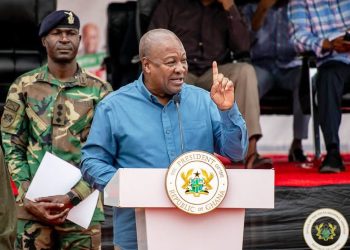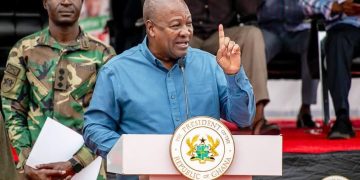





































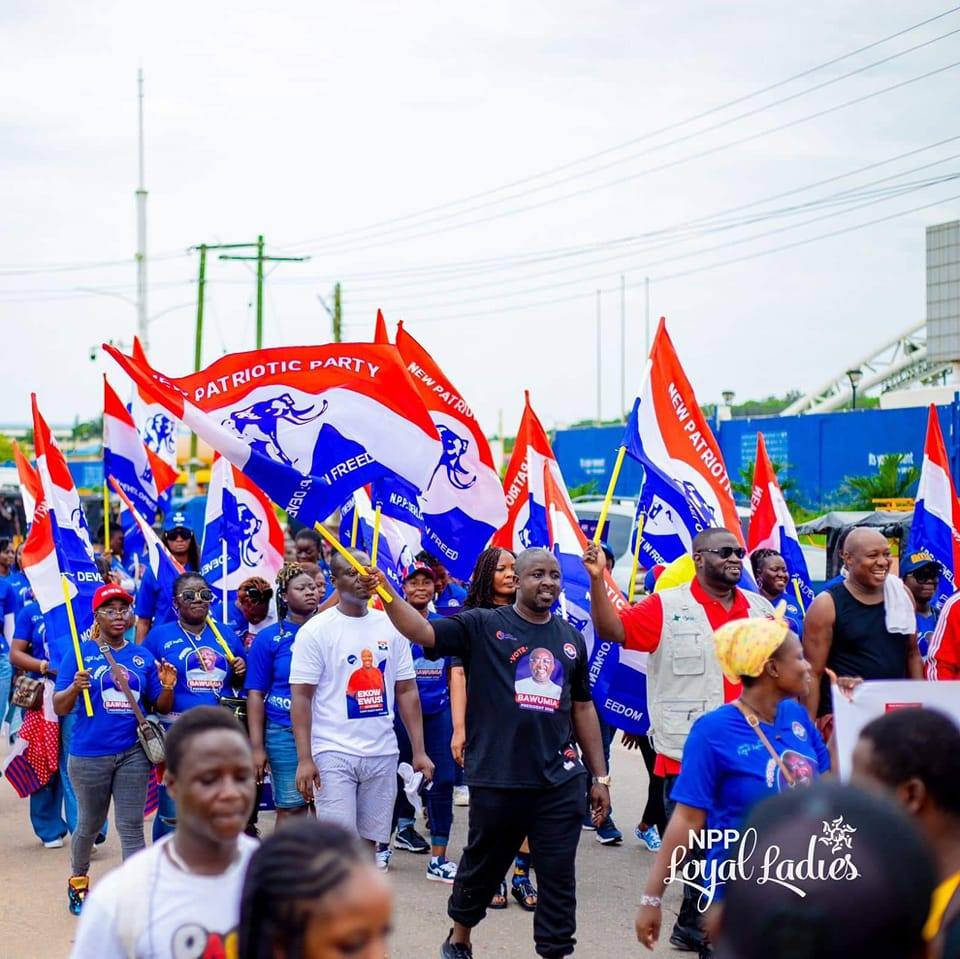
The opposition New Patriotic Party (NPP) has called on President John Dramani Mahama to withhold assent to the Ghana Cocoa Board Bill, 2026, arguing that the legislation was passed too quickly and contains provisions that could adversely affect cocoa farmers.


In a statement issued by the NPP Policy Secretariat on Sunday, August 9, 2026, the party said it supported reforms to the cocoa sector but opposed what it described as the process used to pass the bill and several provisions of the legislation.
The bill was passed by Parliament in the last week of July under a Certificate of Urgency.
The NPP said the repeal of PNDCL 81 and the introduction of new provisions affecting the regulation, pricing, licensing and administration of the cocoa industry required broader consultation with stakeholders, particularly farmers.
According to the party, the bill was laid on July 28 and passed within the same week, despite introducing significant changes to the cocoa sector.
The NPP claimed that neither of the country’s national cocoa farmer associations was consulted and that concerns raised by the Licensed Cocoa Buyers Association of Ghana (LICOBAG) were not incorporated into the final legislation.
It also alleged that the Cocoa Hauliers Association was not consulted and that the 2026 bill differed materially from an earlier 2025 version considered by Parliament.
Pricing concerns
A major concern raised by the NPP is Clause 57 of the bill, which sets the producer price at not less than 70 per cent of the Gross Free On Board (FOB) price realised by the Ghana Cocoa Board (COCOBOD).
The party welcomed the statutory floor but questioned how the realised Gross FOB figure would be calculated and verified.
It argued that tying the farmer’s minimum entitlement to a figure calculated internally by COCOBOD could make it difficult for farmers and other stakeholders to independently verify the basis for producer prices.
The NPP called for the publication and independent auditing of the calculations and underlying information used to determine the producer price each season.
The party also cited the mid-season reduction in the producer price announced during the 2025/26 cocoa season as evidence of what it described as a credibility problem surrounding government pricing decisions.
It said a producer price announced to farmers should not be reduced after farmers have made production and financial commitments based on the announced price.
The NPP further pledged that a future NPP administration led by Dr. Mahamudu Bawumia would not reduce an announced producer price during a season.
External marketing
The party also raised concerns about Clause 59, which lists categories of licences under the proposed law.
It argued that the inclusion of external marketing among licensable activities could eventually open the way for private exporters to compete with the Cocoa Marketing Company (CMC), which currently handles the external marketing of Ghana’s cocoa.
According to the NPP, maintaining centralised external marketing gives Ghana greater bargaining power in international markets and supports forward sales, price stabilisation and negotiations with Côte d’Ivoire.
The party therefore called for the bill to make clear that external marketing would remain vested in CMC.
Concerns over protected cocoa farms
The NPP also criticised Clause 81, which it said could criminalise routine farming activities involving the removal of cocoa trees without prior approval from COCOBOD.
While acknowledging the need to prevent cocoa farms from being destroyed for illegal mining, the party argued that the provision could interfere with normal farm management practices.
It cited the removal of overcrowded, diseased or moribund trees as examples of activities that could be affected.
The NPP said the provision could also delay the removal of trees infected with cocoa swollen shoot virus, a disease that affects cocoa farms.
It proposed exempting tree removals carried out in accordance with published COCOBOD agronomic guidelines, while requiring approval for the conversion of registered cocoa farms to non-cocoa uses.
Farmer registration
The party also objected to Clause 85, which requires farmers and farms to be registered on the Cocoa Management System before commercial production, purchase or sale of cocoa.
The NPP said COCOBOD had made progress with farmer registration but argued that registration remained incomplete.
It contended that farmers should not face legal consequences where they had not been registered because the registration process depended on COCOBOD’s own field operations.
The party proposed that enforcement of the relevant provision be deferred until the government certifies that farmer and farm registration is substantially complete.
Local processing
The proposed requirement for a minimum local processing threshold of 50 per cent of cocoa beans produced also came under criticism.
The NPP said it supported increased domestic processing but questioned whether Ghana currently had sufficient economically viable cocoa supplies to meet the proposed threshold.
It argued that Ghana had substantial processing capacity but that processors were constrained primarily by the cost of cocoa beans rather than factory capacity.
The party said Parliament needed to clarify the price at which cocoa beans would be supplied to local processors and determine who would absorb any resulting subsidy or price differential.
Call for broader consultation
The NPP is asking President Mahama to return the bill to Parliament for further consultation, arguing that issues surrounding the annual cocoa pricing window could be addressed administratively while defects in the legislation required parliamentary reconsideration.
It wants Parliament to amend provisions relating to COCOBOD’s mandate, cocoa pricing, external marketing, protected farms, farmer registration and local processing.
The party said it was not opposed to reform of the cocoa sector and supported measures including traceability, value addition and a guaranteed minimum share of the cocoa price for farmers.
However, it maintained that the bill, in its current form, should not be allowed to become law without further stakeholder engagement.
“Return the Bill. Consult the farmer. Fix the clauses. Then pass a law the whole industry can stand behind,” the NPP said.
Source: www.kumasimail.com