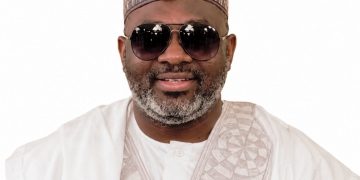
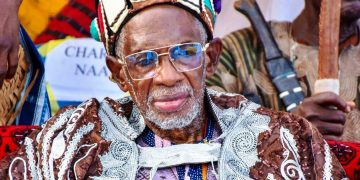


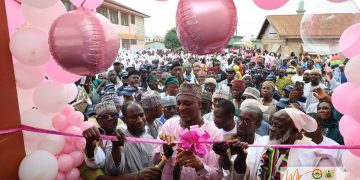




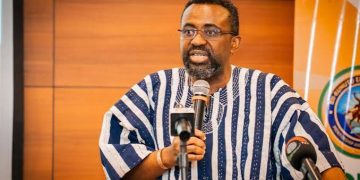







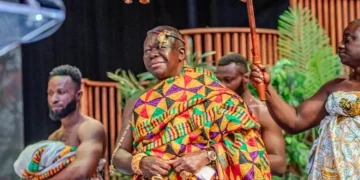
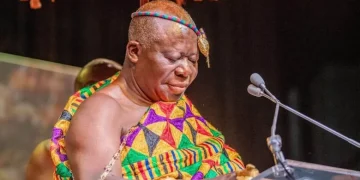
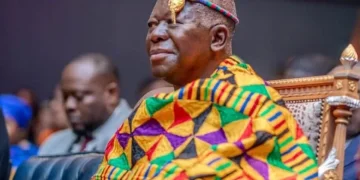
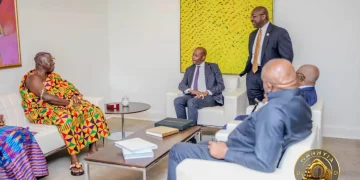
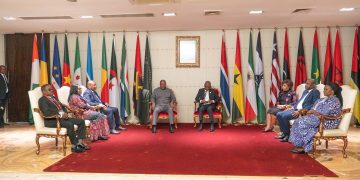



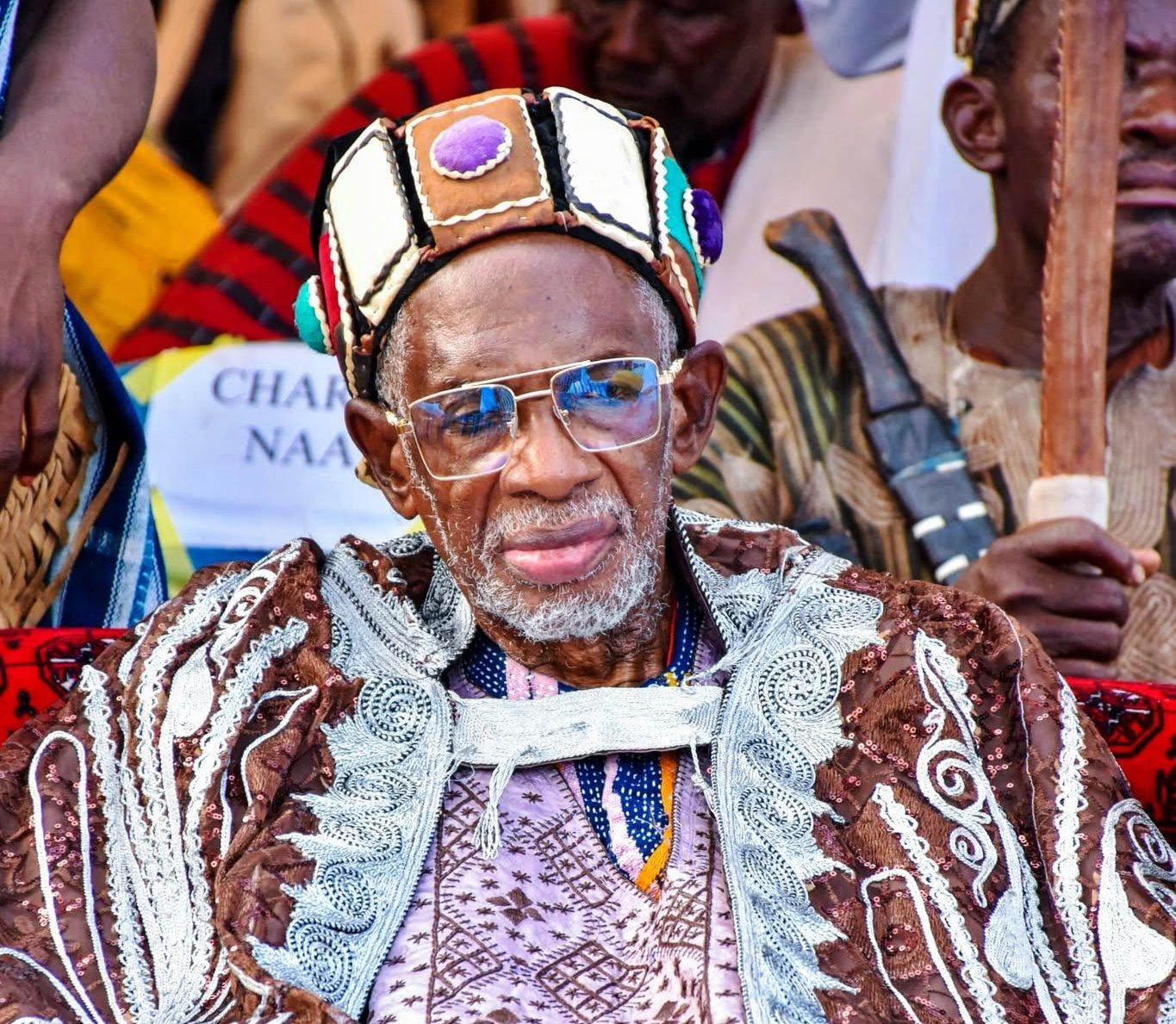
The Overlord of the Wala Traditional Area, Naa Fuseini Seidu Pelpuo IV, has used the climax of the 2026 Dumba Festival to renew pressure on the government to address what he described as critical development challenges confronting the Wala State and the wider Upper West Region.


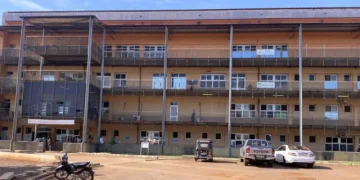
At a colourful durbar at the forecourt of the Wa Naa’s Palace on Sunday, the Wa Naa drew attention to persistent power supply problems, the non-functional oxygen plant at the Upper West Regional Hospital, the deplorable Wa-Bole-Bamboi road and delays in completing hostel projects at tertiary institutions in the region.
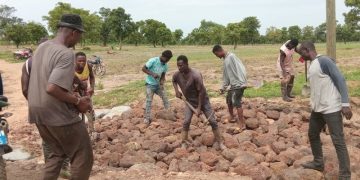
He also renewed the traditional council’s demand for the elevation of the Wa Municipal Assembly to metropolitan status and called for a Community Mining Licence to enable young people in the region to engage in mining legally and productively.
The Overlord further appealed for urgent attention to other development needs of the region, while expressing appreciation for the Shea Park Resources Hub project championed by the Speaker of Parliament, Alban S.K. Bagbin, which is expected to strengthen the shea value chain and create opportunities for women and young people.
His address placed development firmly at the centre of the annual festival, which has traditionally provided the Wala State with a platform to bring together chiefs, political leaders, professionals and citizens to take stock of the state of the traditional area and articulate issues affecting its people.
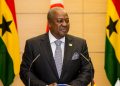
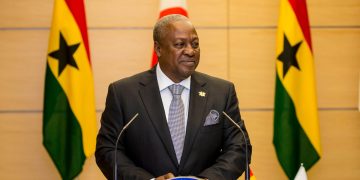
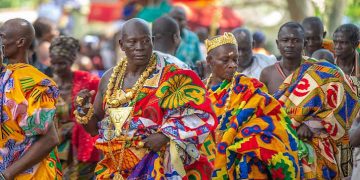
The 2026 celebration was attended by President John Dramani Mahama, Speaker Bagbin, the Yagbonwura of the Gonja Kingdom, chiefs and other dignitaries, as well as Wala sons and daughters from Ghana and abroad.
Dumba: More than a festival
For the people of Wa, Dumba is not merely an occasion for drumming, dancing and traditional pageantry.
The annual celebration has deep cultural and Islamic roots and is associated with the commemoration of the birth of Prophet Muhammad. In the Wala Traditional Area, however, the festival has evolved into a major institution for reaffirming cultural identity, unity, loyalty to traditional authority and collective responsibility for the future of the Wala State.
It is also a homecoming occasion, bringing together chiefs, elders and Wala indigenes living within and outside the traditional area. The festival provides an important platform for the traditional leadership to engage the people and government on development, security, social and economic concerns.
One of its most distinctive rituals is the Wa Naa’s ceremonial leap over a tethered cow. Traditionally, successfully clearing the cow without touching it with his body or clothing is regarded as a sign of the Overlord’s physical fitness and a favourable indication for his continued reign.
The festival therefore combines religious observance, traditional authority, cultural preservation and communal renewal.
It also has growing significance for tourism and the local economy, attracting visitors and showcasing Wala traditional dress, music, dance, food and royal pageantry. Recent support from businesses for the celebration has similarly been framed around preserving Wala heritage while promoting tourism and local economic development.
Substance abuse threat
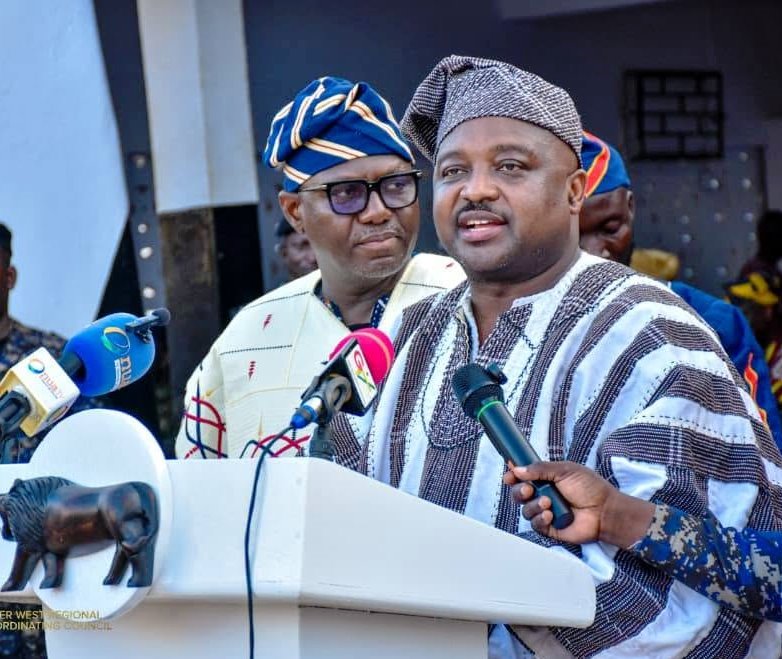
Against that cultural backdrop, the Upper West Regional Minister, Charles Lwanga Puozuing, used the 2026 celebration to focus on the growing threat of substance abuse among young people.
Speaking on the theme, “Promoting Discipline and Progress — Protecting Our Youth from Substance Abuse,” the Minister described the youth as the region’s greatest asset and warned that substance abuse could undermine the region’s development prospects.

He announced the establishment of a Regional Task Force to coordinate efforts on prevention, education, enforcement and rehabilitation, and called for a collective response involving families, schools, traditional authorities, religious bodies, security agencies and young people.
“Opportunity without discipline can be wasted, and discipline without opportunity can become frustrated,” he told the gathering, urging the youth to pursue education, skills training, entrepreneurship and other productive opportunities.
The focus on substance abuse builds on concerns previously raised by the Wa Naa himself. At the 2025 Dumba Festival, Naa Pelpuo IV described drug abuse, particularly involving tramadol and marijuana, as a serious threat to the social fabric, security and development of the Upper West Region and called for a holistic response.
The 2026 Dumba celebration consequently ended with two parallel messages from the Wala State: a demand for concrete action on longstanding development deficits and a renewed call to protect the region’s young population from social problems that could undermine its future.
For the Wala people, Dumba remains both a celebration of who they are and an annual opportunity to define where they want their traditional state and region to go next.
Source: www.kumasimail.com