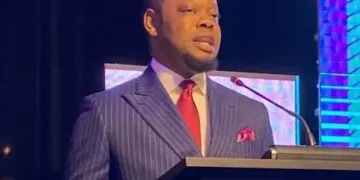




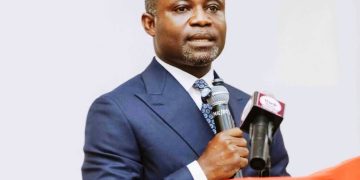
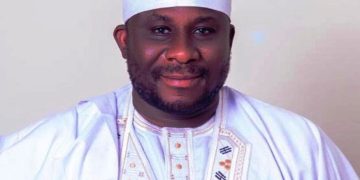











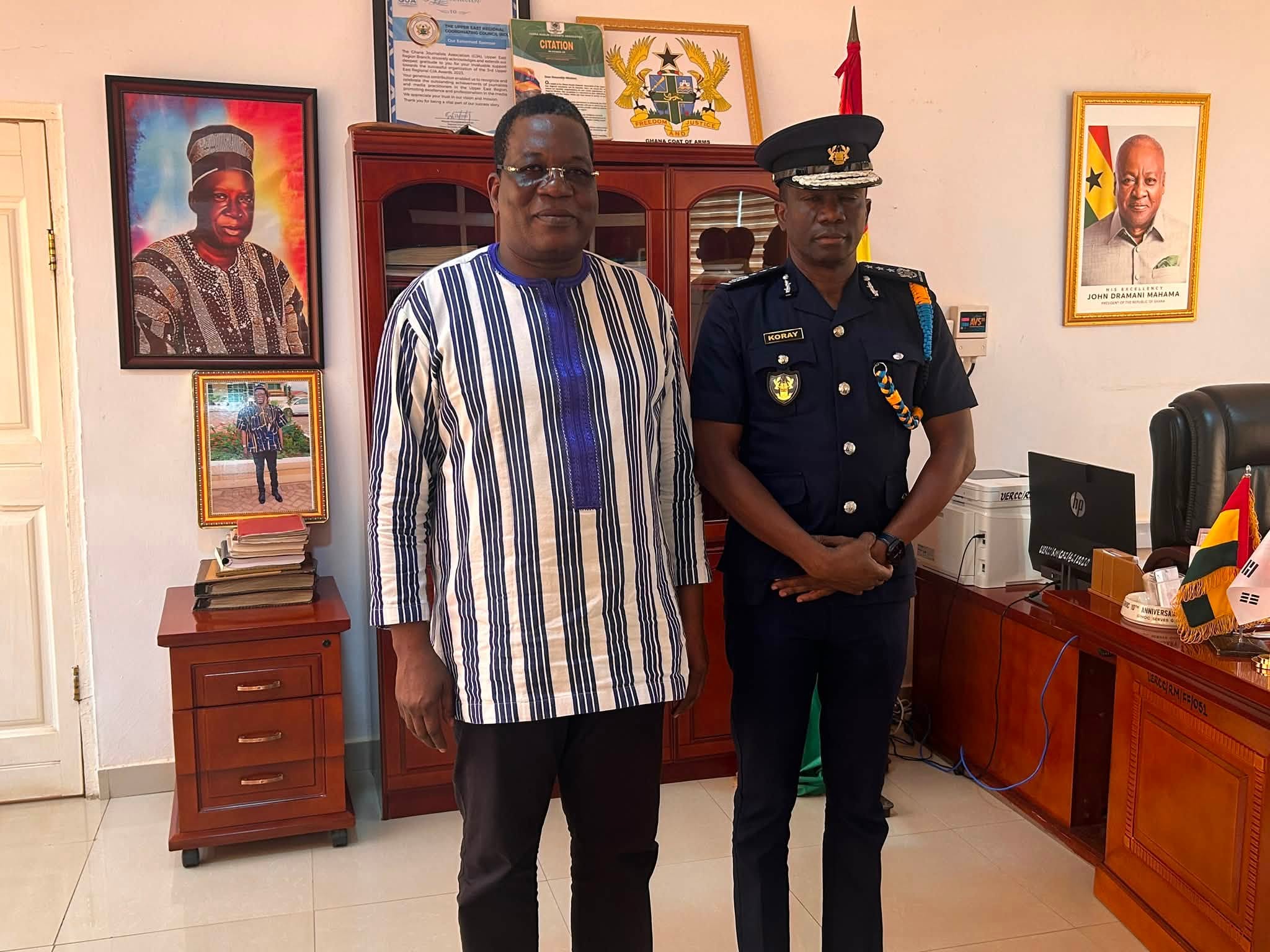
Burkina Faso’s Ambassador to Ghana, H.E. David Kabré, has called for enhanced cooperation between Ghana and Burkina Faso to improve cross-border trade, security and the free movement of people along their shared frontier.


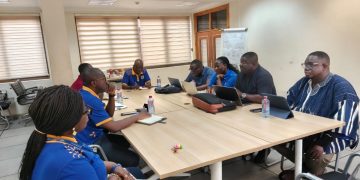
Speaking during a courtesy call on the Upper East Regional Coordinating Council on Friday, July 17, 2026, Ambassador Kabré described the relationship between the two neighbouring countries as one founded on a long history of friendship, good neighbourliness and shared cultural heritage.
He noted that Ghana and Burkina Faso are bound by common traditions, culture and family ties, adding that bilateral relations have been further strengthened under the leadership of President John Dramani Mahama of Ghana and Captain Ibrahim Traoré of Burkina Faso.
The ambassador disclosed that both countries are finalising a Memorandum of Understanding (MoU) involving regional ministers and governors along the Ghana-Burkina Faso border. According to him, the agreement, currently under review, is expected to deepen cooperation and coordination between border communities once approved.
Strategic Trade Corridor
Ambassador Kabré described Ghana’s Upper East Region as strategically important because it serves as the main transit route for goods transported from Ghana’s ports through Paga into Dakola in Burkina Faso.
He noted that Burkina Faso continues to depend heavily on Ghana’s ports for both imports and exports, making efficient border operations critical to the economies of both countries.
Concerns Over Border Checkpoints
Despite the longstanding relationship between the two nations, the ambassador raised concerns over challenges affecting travellers and transport operators along the Paga-Dakola corridor.
He identified the increasing number of security checkpoints as a major concern, saying his office had received complaints from Burkina Faso nationals who allegedly face difficulties when travelling without Ghana Cards.
According to him, some travellers have reported being asked to disembark from their vehicles and allegedly pay money at various checkpoints before being allowed to continue their journey.
While acknowledging Ghana’s responsibility to strengthen national security, Ambassador Kabré stressed that Burkina Faso’s national identity card should receive the same recognition as Ghana’s national identification card under existing bilateral arrangements.
“It is becoming a problem, so we are bringing it to the attention of the regional authorities for possible action,” he said.
The ambassador, however, commended the significant decline in highway robbery incidents along the corridor and praised the Upper East Regional Minister for efforts to improve security.
He also highlighted differences in axle load regulations and language barriers as additional challenges affecting cross-border cooperation.
Ambassador Kabré further noted that the Burkina Faso Embassy has intensified public education among its nationals residing in Ghana, encouraging them to respect Ghana’s laws and regulations.
Customs Pushes for 24-Hour Border Operations
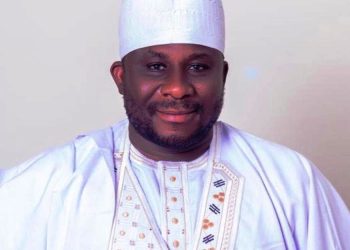
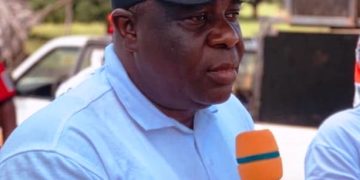
Responding to the ambassador’s remarks, the Upper East Sector Commander of the Customs Division of the Ghana Revenue Authority (GRA), Assistant Commissioner Samuel Owusu, described the Paga-Dakola border as a vital gateway for trade and regional integration.
“It is vital for trade, transport and transit. It is the border that binds our two countries together,” he said.
Assistant Commissioner Owusu reaffirmed the Customs Division’s commitment to facilitating the smooth movement of people, goods and services while strengthening collaboration with Burkina Faso.
He appealed to the Burkina Faso authorities to consider extending operations at the Dakola border post to 24 hours despite prevailing security concerns in the country.
According to him, Ghana currently dispatches about 50 fuel tanker trucks daily from the Tema Oil Refinery to Burkina Faso under an arrangement expected to increase to 200 trucks per day.
He explained that the limited operating hours at the Dakola border have contributed to severe congestion, with long queues of fuel tankers often stretching as far as Navrongo.
To improve efficiency and safety along the corridor, Assistant Commissioner Owusu also called for the deployment of fire tenders at the border and the establishment of designated rest areas for truck drivers.
The discussions underscored the importance of sustained bilateral cooperation as Ghana and Burkina Faso seek to strengthen trade, enhance border security and improve the movement of people and goods between the two West African neighbours.
Source: www.kumasimail.com