

































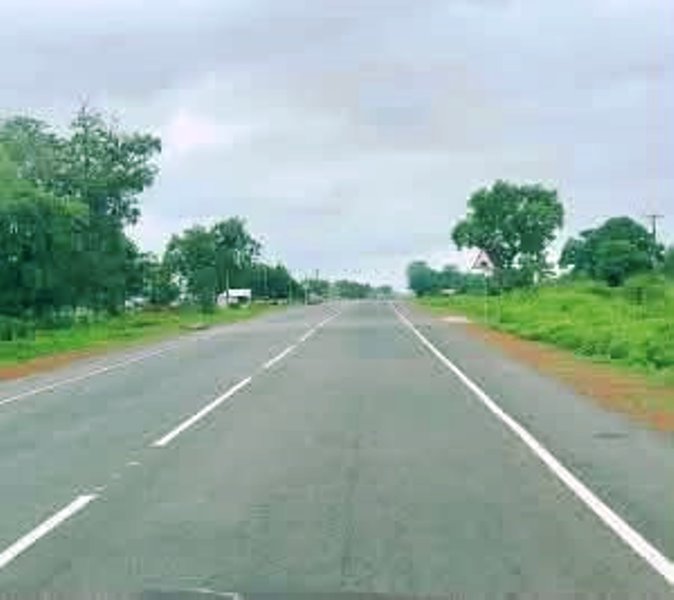
The government has announced plans to rehabilitate the deteriorating Tamale-Bolgatanga highway, a key transport corridor linking the Northern and Upper East regions.


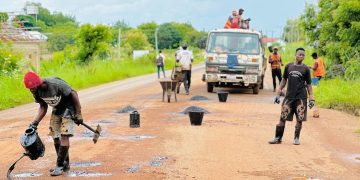
Roads and Highways Minister Kwame Governs Agbodza said the highway had deteriorated to the point of posing serious risks to motorists, making its rehabilitation a priority under President John Dramani Mahama’s Big Push infrastructure programme.
Mr Agbodza made the announcement on Friday, August 14, 2026, at Desert Pastures in Bolgatanga during a stakeholders’ engagement as part of President Mahama’s Resetting Ghana Tour of the Upper East Region.
He said the government was also preparing to roll out 18 new road projects covering 267.52 kilometres across the Upper East Region, with a significant portion targeting feeder roads linking rural communities and farming areas.
The Minister said President Mahama had directed that the Big Push should extend beyond major highways to roads that connect rural communities and support agricultural production.
According to him, authorisation for the new projects would be issued next week to trigger procurement, with contractors expected to be mobilised to project sites within the following month.

Mr Agbodza also announced renewed attention to critical regional corridors, including the Navrongo-Chuchuliga-Tumu road, which links the Upper East and Upper West regions.
The government is equally seeking to complete the long-delayed Bolgatanga-Bawku-Pulmakom road, which was initiated under Mr Mahama’s previous administration but stalled after 2016.
The Minister said contractors had returned to site and that government was targeting completion of the project by 2027.
Major rehabilitation works are also planned for sections of the Eastern Corridor around Nakpanduri, Garu and Kulungugu.
The rehabilitation of the Tamale-Bolgatanga highway is expected to improve road safety and strengthen the movement of people, farm produce and other goods between the Northern and Upper East regions, where the route serves thousands of traders, farmers and commercial transport operators.
Source: www.kumasimail.com