


































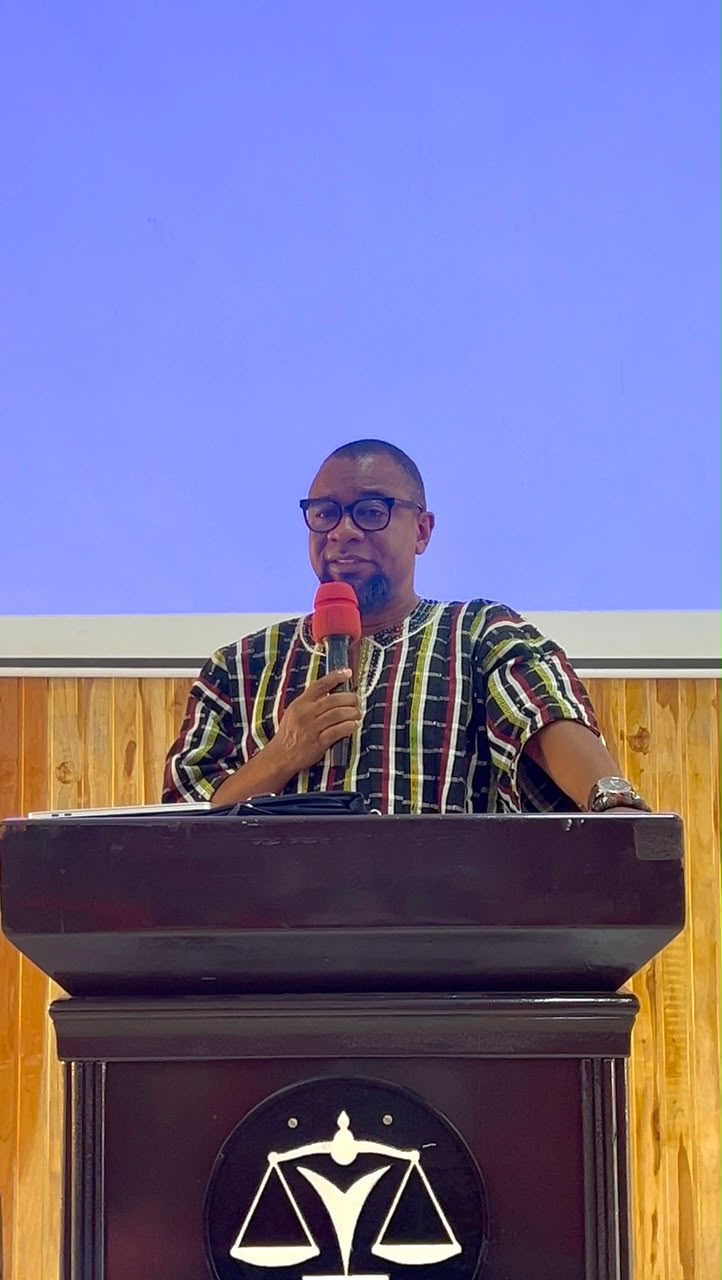
The University Relations Officer of the Kwame Nkrumah University of Science and Technology (KNUST), Kumasi, Dr Daniel Norris Bekoe, has urged tertiary students to develop strong communication skills, use digital technologies responsibly, and build credible personal brands to enhance their prospects in academia, leadership, entrepreneurship, and the workplace.


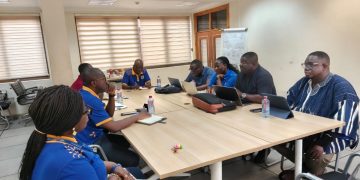
Dr Bekoe made the call during the 2026 PR Summit organised by the Students’ Representative Council (SRC) at the KNUST Law Faculty Auditorium on Saturday, June 27, 2026.
He was speaking on the theme: “Communicating for Impact in the Digital Age: Strategies for Student Success, Leadership and Professional Excellence.”
He described communication as one of the most important skills in the 21st century, noting that rapid developments in digital technology, artificial intelligence (AI), and social media have transformed the way people share information and engage with audiences.
According to him, while digital platforms have made communication faster and more accessible, they have also created challenges including misinformation, digital distractions, and information overload.
Dr Bekoe stressed that effective communication should not be measured by the number of likes, shares, or followers but by its ability to influence decisions, inspire action, build trust, solve problems, and create meaningful impact.
He explained that communication has moved beyond the traditional one-way model associated with newspapers, radio, and television into a more interactive process driven by digital platforms. He said students now have greater opportunities to reach global audiences through social media, podcasts, blogs, videos, and other online channels.
Highlighting the role of communication in higher education, Dr Bekoe said strong communication abilities improve students’ academic performance by enhancing their presentation, research, writing, and teamwork skills. He added that leadership itself depends heavily on communication, as effective leaders must be able to share visions, motivate people, manage conflicts, and build consensus.
He noted that communication skills remain among the most valued abilities employers seek, explaining that graduates with strong communication skills are better positioned to succeed in interviews, prepare reports, deliver presentations, negotiate, and lead diverse teams.
On entrepreneurship, Dr Bekoe said innovative ideas can only achieve success when entrepreneurs are able to clearly communicate the value of their products and services to customers, investors, and other stakeholders.
He also encouraged students to pay attention to their personal brands, describing digital reputation as the “twenty-first-century curriculum vitae.” He advised students to manage their online presence carefully by sharing meaningful content, showcasing achievements, maintaining professionalism, and engaging respectfully on digital platforms.
Dr Bekoe further highlighted the growing importance of digital storytelling and visual communication, urging students to use tools such as videos, podcasts, infographics, animations, and photography to present ideas in more engaging ways.
Addressing the issue of misinformation and disinformation online, he advised students to verify information before sharing it. He encouraged them to rely on credible sources, fact-check claims, and promote media literacy to protect their credibility and public trust.
On artificial intelligence, Dr Bekoe acknowledged its potential to support content creation, translation, data analysis, and learning. However, he cautioned students to consider ethical issues, academic integrity, privacy, and accuracy when using AI tools.
He emphasised that despite technological advancements, human qualities such as creativity, empathy, critical thinking, and ethical judgement remain essential in effective communication.
The communication scholar also urged students to uphold ethical communication practices by demonstrating honesty, transparency, accountability, and respect while avoiding plagiarism, cyberbullying, hate speech, manipulation, and privacy violations.
He identified key skills needed for future success, including public speaking, writing, digital literacy, media literacy, AI literacy, emotional intelligence, teamwork, cross-cultural communication, critical thinking, and problem-solving.
As practical steps towards becoming impactful communicators, Dr Bekoe encouraged students to read widely, practise public speaking, build professional online profiles, acquire digital content creation skills, think carefully before posting online, and embrace lifelong learning.
Concluding his presentation, Dr Bekoe described communication as more than an academic requirement, saying it is a lifelong asset that influences leadership, employability, entrepreneurship, and social development.
He challenged students to use digital platforms responsibly to build trust, inspire positive change, and contribute meaningfully to society.
Source: www.kumasimail.com