
































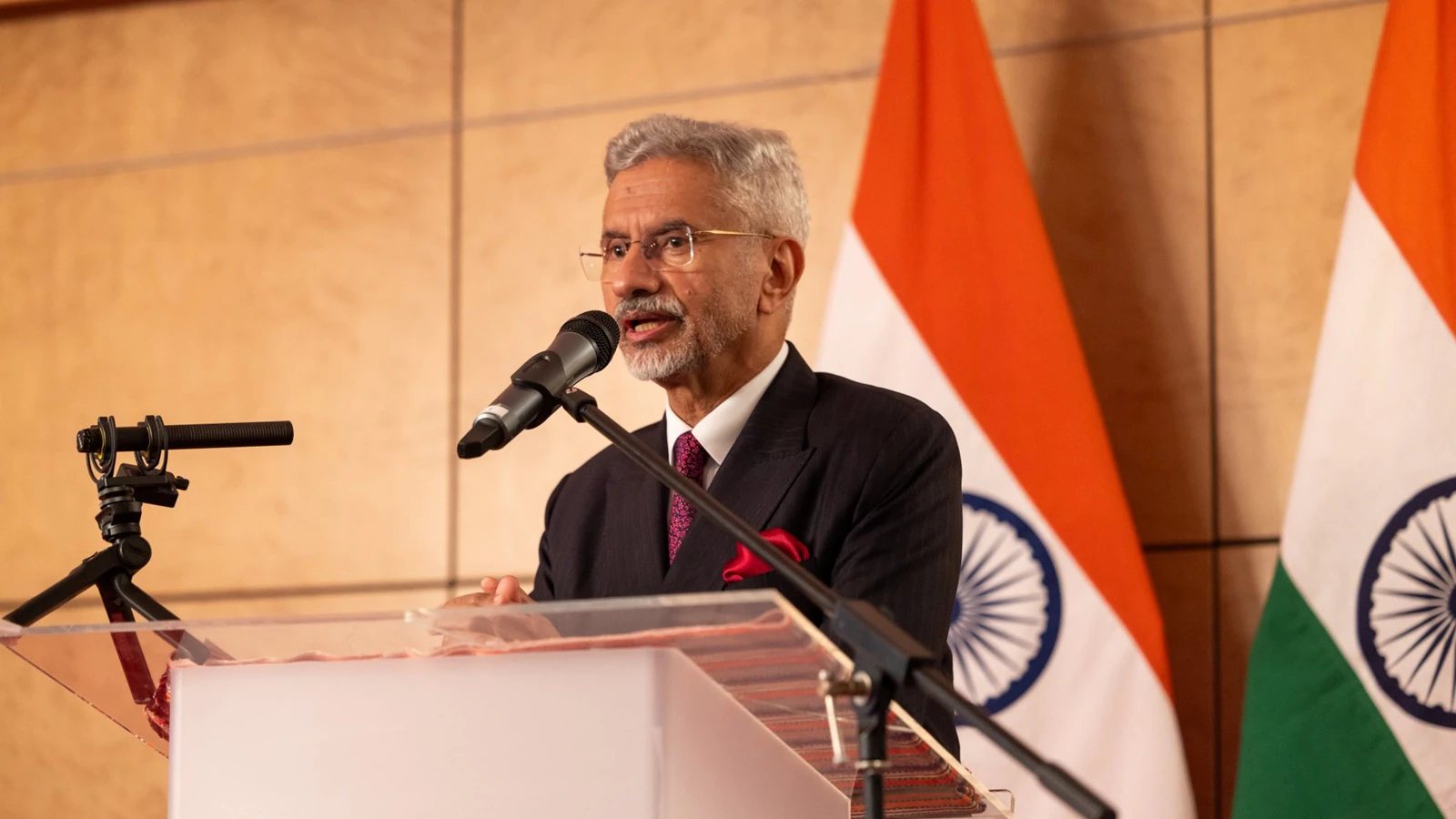
External Affairs Minister S Jaishankar spoke to the foreign ministers of Iran, Qatar and UAE on Sunday as US President Donald Trump threatened to resume attacks on Iran’s energy infrastructure if the Strait of Hormuz is not reopened by Tuesday.


Iran’s Foreign Minister Seyed Abbas Araghchi called up Jaishankar and they discussed the “present situation”.
“Received a call from Foreign Minister @araghchi of Iran. Discussed the present situation,” Jaishankar posted on X, after the call.
According to the Iranian embassy, “Seyed Abbas @araghchi, Foreign Minister of the Islamic Republic of Iran, held a phone conversation with Subrahmanyam Jaishankar @DrSJaishankar, India’s Minister of External Affairs, discussing bilateral relations as well as regional and international developments.”
This was their sixth phone conversation since the war started on February 28.
After his phone conversation with UAE Foreign Minister Abdullah bin Zayed Al Nahyan, Jaishankar said, “Discussed the evolving situation in West Asia with DPM & FM @ABZayed of UAE.”
UAE has been facing attacks from Iran — more than 2,500 in the form of missile and drone strikes in the last five weeks of the US-Israel war on the Islamic Republic.
Jaishankar also spoke to Qatar’s Foreign Minister Sheikh Mohammed bin Abdulrahman bin Jassim Al Thani. He posted: “Had a telecon on the ongoing conflict with PM & FM @MBA_AlThani_ of Qatar this evening”. Qatar too had faced Iranian attacks due to the presence of the American military in the country.
Jaishankar has spoken to the foreign ministers of both UAE and Qatar at least twice in the past one month.
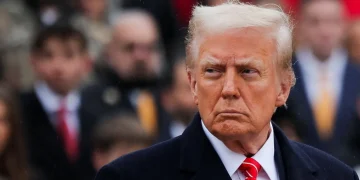
Delhi is engaging with the stakeholders as President Trump on Sunday escalated his threats to bomb Iranian power plants within the next two days.
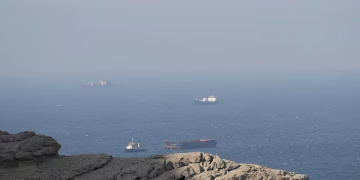
India has been dealing with the consequences of the closure of the Strait and only a handful of ships have passed through in the last month. This has led to disruptions in the supplies of gas and energy.
Jaishankar’s engagement on Sunday is part of Delhi’s efforts to mitigate the impact of the war in West Asia and stabilise the situation.