







































The Environmental Protection Authority (EPA) has directed all entities undertaking land reclamation, mine-site rehabilitation, dredging and water-body restoration activities without the requisite environmental permits to cease operations immediately.


In a public notice issued on October 14, 2026, the Authority expressed concern over the increasing number of such activities being carried out across the country without the necessary environmental permits and regulatory oversight.
The directive applies to government institutions, mining companies, contractors, traditional authorities, landowners, developers, investors, non-governmental organisations and individuals involved in reclamation and restoration projects.
The EPA stressed that projects undertaken, funded, commissioned or supervised by public institutions are not exempt from Ghana’s environmental permitting requirements.
It specifically called on the Ministry of Lands and Natural Resources, the Forestry Commission, the Ghana Gold Board (GoldBod), the Minerals Commission, the Mineral Development Fund and other public institutions involved in reclamation and restoration programmes to ensure full compliance before physical works commence or continue.
According to the Authority, Regulation 40 of the Environmental Protection (Environmental Assessment) Regulations, 2025 (L.I. 2504) brings reclamation and restoration activities within the country’s environmental assessment and permitting framework.
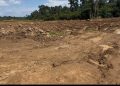
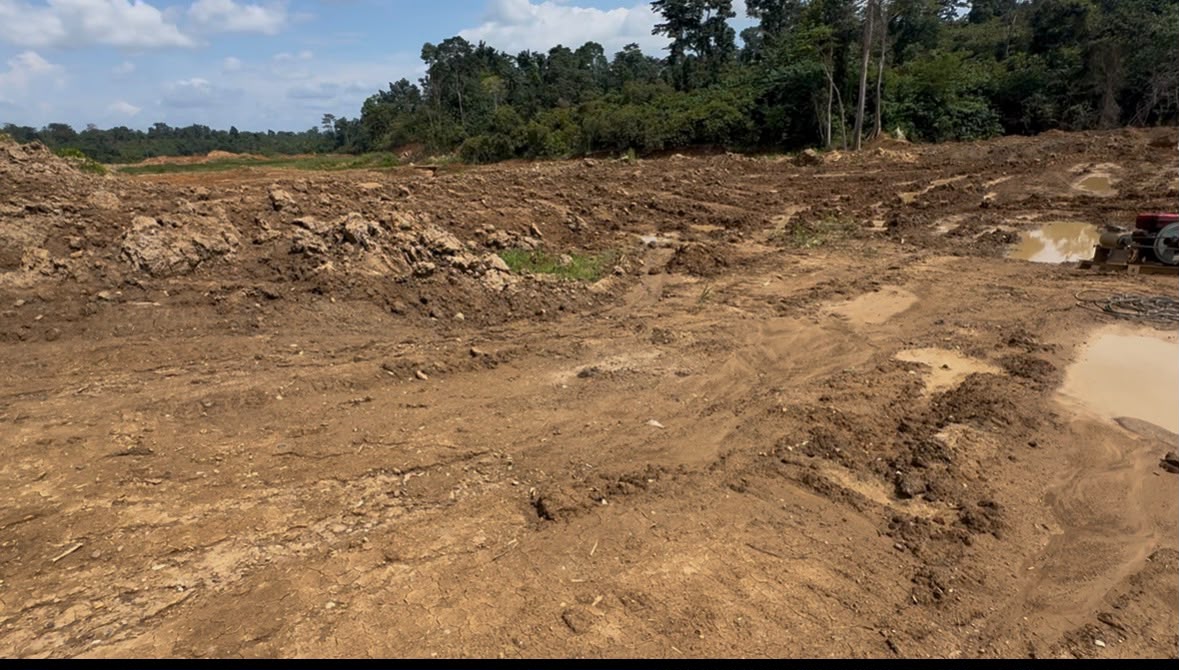
The activities covered include mine reclamation and rehabilitation, restoration of degraded lands and abandoned mining sites, backfilling and reshaping of excavated areas, revegetation, ecological restoration, river dredging and desilting, and the diversion or modification of river channels.
The directive also covers interventions to restore polluted or disturbed water bodies, wetlands and aquatic ecosystems.
The EPA has instructed entities currently carrying out such activities without valid permits to stop work immediately and report to the nearest EPA regional office or its head office for regulatory assessment.
It further clarified that the directive applies to government-sponsored, publicly funded, privately funded and donor-supported projects.
The Authority cautioned that the award of contracts, approval of funding, possession of mining leases or licences, agreements with traditional authorities, authorisations from other public institutions and participation in government programmes do not constitute environmental permits or replace the EPA’s statutory approval.
Contracting institutions have consequently been directed to verify the environmental permit status of projects before allowing contractors to mobilise to sites.
While acknowledging the importance of government and private-sector efforts to restore lands and water bodies damaged by illegal and irresponsible mining, the EPA said the urgency of such interventions must not undermine environmental safeguards.
It warned that reclamation and restoration activities carried out without proper oversight could become additional sources of environmental destruction.
The Authority further cautioned that any institution or individual who continues the prohibited activities after the notice will face action in accordance with the applicable laws of Ghana.
“Protecting Ghana’s environment is a legal obligation. Compliance is not optional,” the EPA stated.
The notice was issued by the management of the Environmental Protection Authority.
Clarify the directive’s legal basisReduce repetition in the middle