


































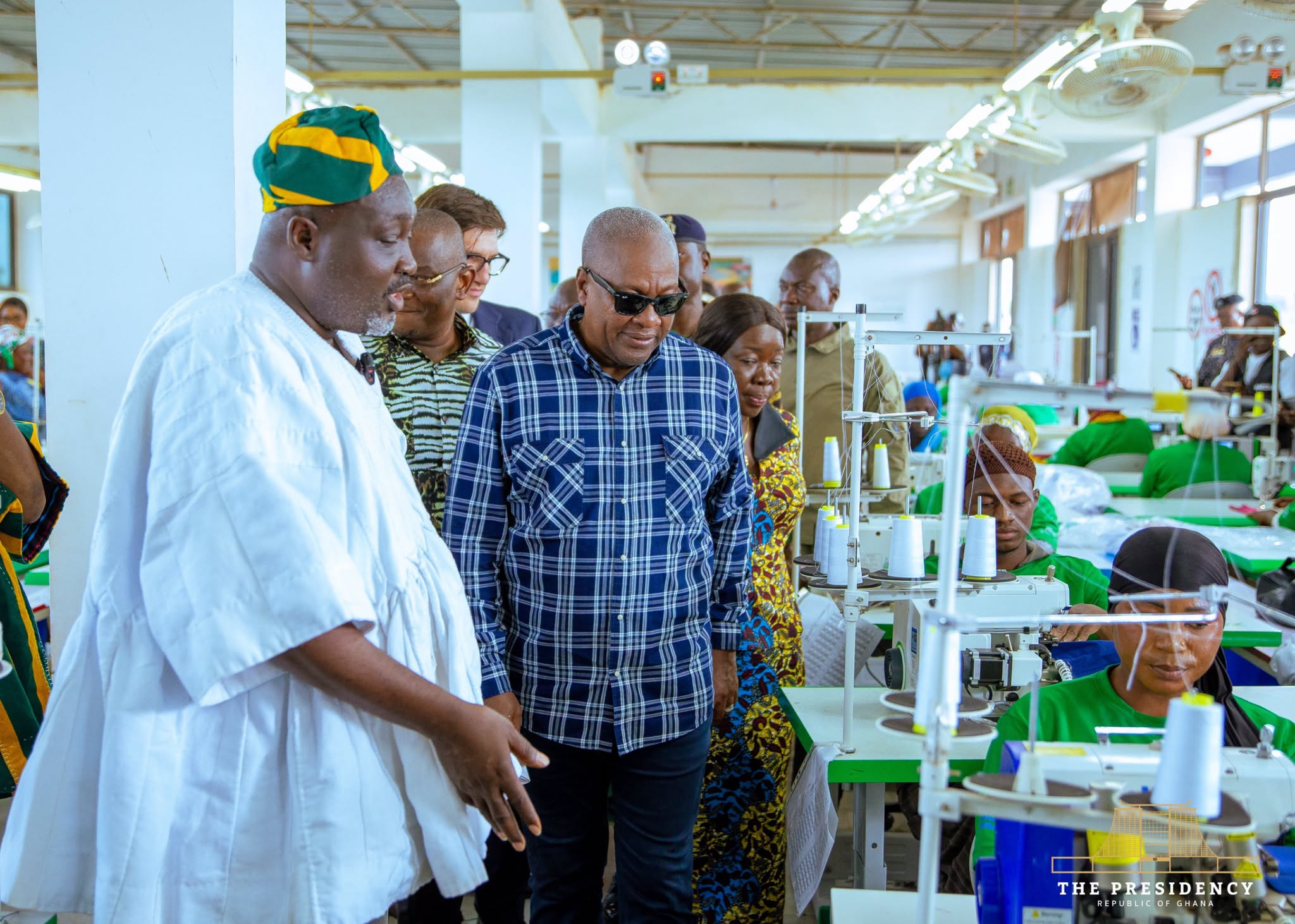
President John Dramani Mahama has commissioned the Northshore Apparel Ghana Limited manufacturing hub at Savelugu in the Northern Region, opening a new chapter in Ghana’s drive to expand garment production, create jobs and move higher up the global textile value chain.


The wholly Ghanaian-owned facility, commissioned on Friday, August 28, 2026, is being positioned as a major private-sector investment under the government’s 24-Hour Economy initiative, with first-phase employment estimated at about 3,000 direct jobs and projected to rise to 10,000 when the facility reaches full capacity.
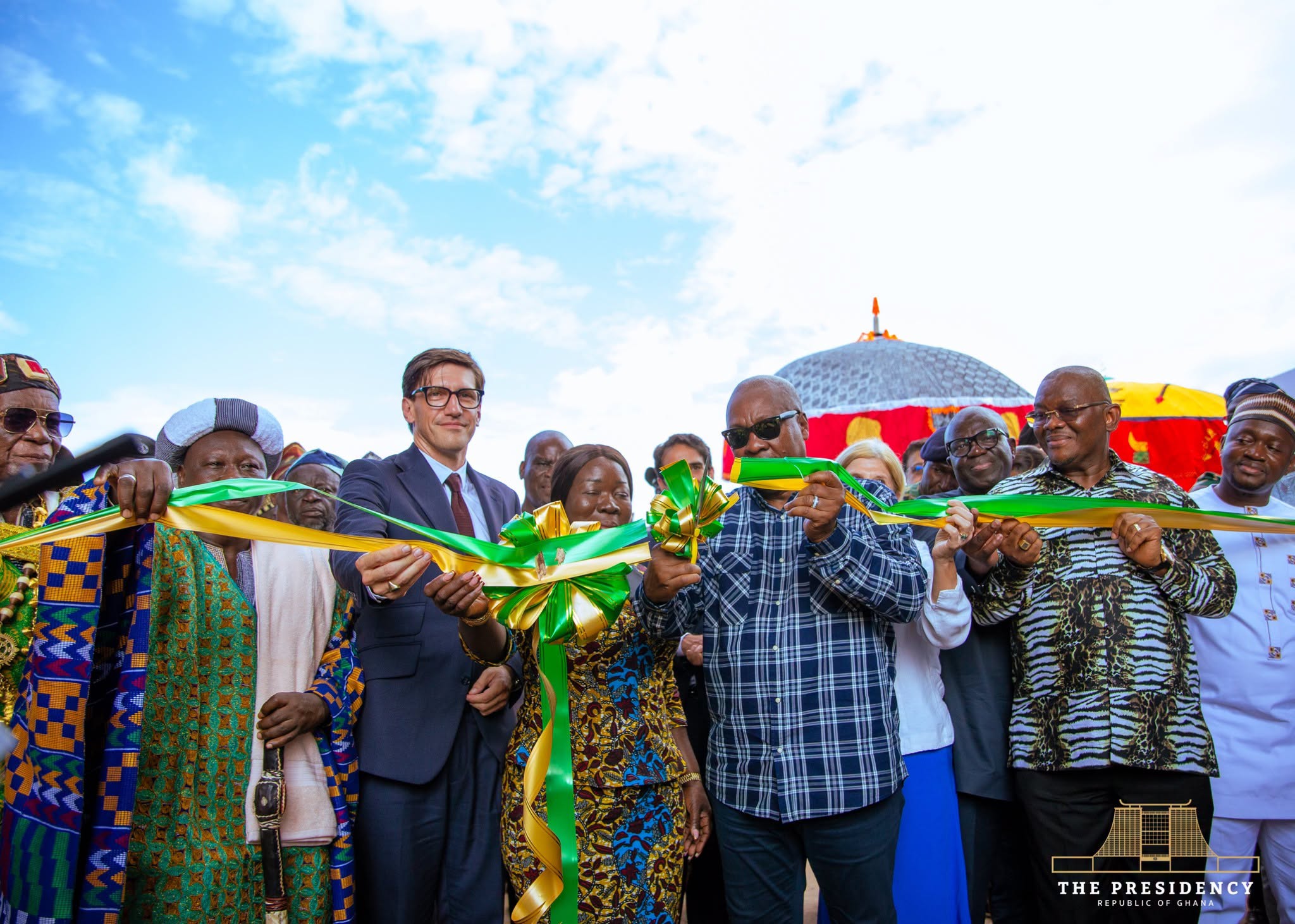
Beyond direct employment, the factory is expected to generate business opportunities across transportation, food services, accommodation, maintenance, packaging, logistics and other support services, potentially making it a significant economic anchor for Savelugu and the wider Northern Region.
From Savelugu to the global apparel market
Northshore Apparel is a sustainable clothing manufacturer focused on producing garments for both domestic and international markets. It operates as a Free Zone Enterprise and is developing a vertically integrated manufacturing operation that combines garment production with plans for fabric manufacturing and cotton sourcing.
The first phase comprises 50 sewing lines, a 4,000-square-metre cutting and design facility and 8,000 square metres of warehouse space. It also includes a worker dining facility, solar power system, anaerobic biodigester, water storage infrastructure, clinic and crèche. More than 2,300 operators have already been trained and deployed, according to the company.
Northshore’s expansion strategy is even more ambitious. Phase Two is expected to increase sewing capacity to 200 lines, while Phase Three will introduce a fabric mill and cotton outgrower scheme across Northern Ghana and neighbouring countries.
Chief Executive Officer Nurideen Mohammed said the ultimate objective was to ensure Ghana exports finished garments rather than raw cotton.
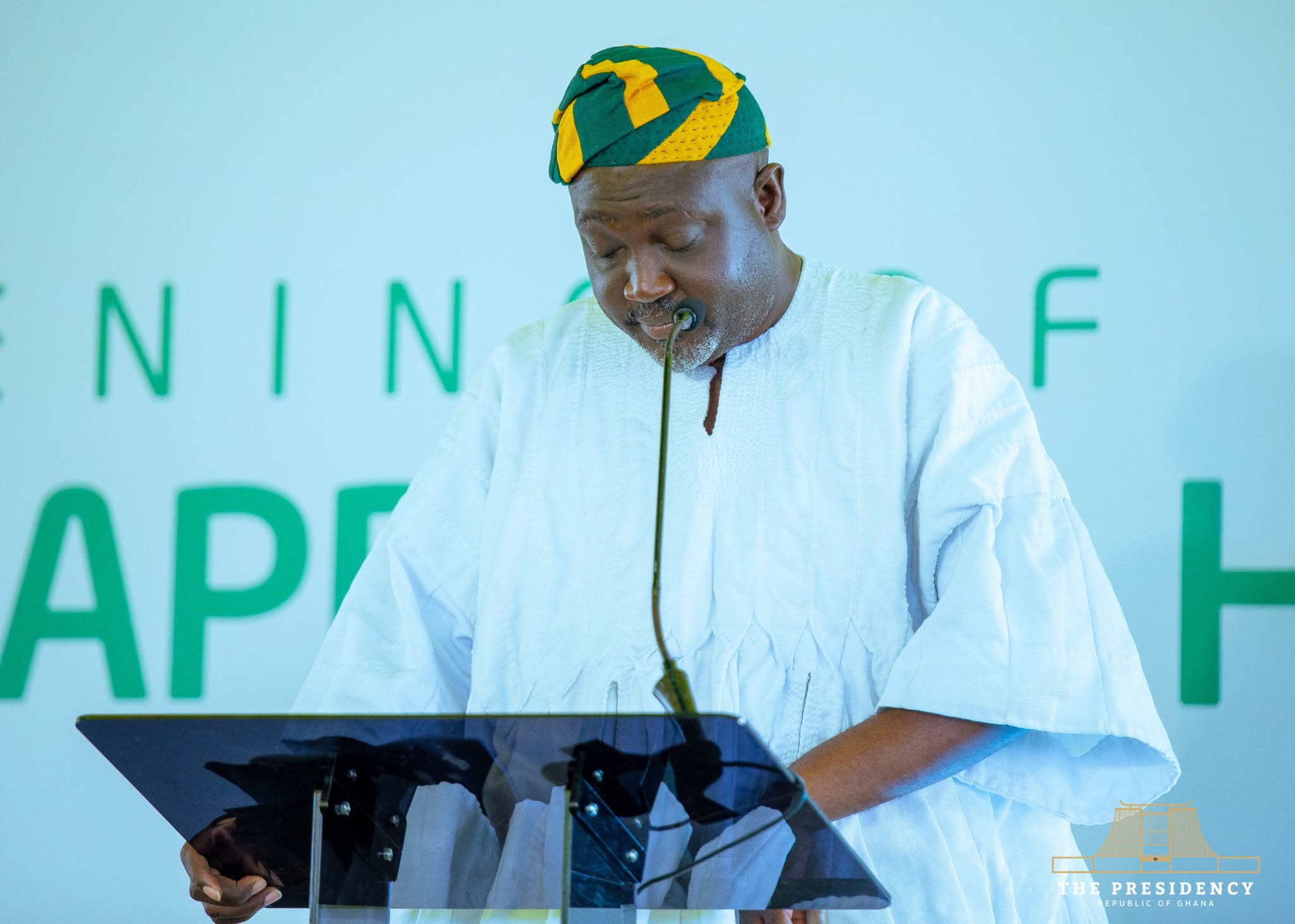
“We sit at the doorstep of the West African cotton belt, which makes backward integration a matter of geography rather than ambition,” he said.
The company is also seeking to build an industrial model around renewable energy, zero-waste production and responsible employment. It obtained Worldwide Responsible Accredited Production (WRAP) certification in June 2026 after an independent audit covering its production processes, labour practices, workplace safety and environmental responsibility.
Mahama: 24-Hour Economy in action
President Mahama used the commissioning to point to Northshore as a practical demonstration of what the government’s 24-Hour Economy is intended to achieve.
He said the facility’s planned multi-shift operations would allow more young people to secure employment while increasing production for export.
The President said the initiative had two central objectives—creating jobs and accelerating exports—and argued that Northshore was positioned to deliver on both fronts, having already created thousands of jobs and targeting export markets.
He also described the investment as the first seed in efforts to restore Northern Ghana’s industrial base, arguing that Northshore had challenged the traditional assumptions about the difficulty of establishing large-scale manufacturing outside Ghana’s major commercial centres.
Trade Minister pushes value addition
For Trade, Agribusiness and Industry Minister Elizabeth Ofosu-Adjare, the factory represents an opportunity to address one of Ghana’s longstanding weaknesses in the textile value chain—exporting raw materials while importing finished products.
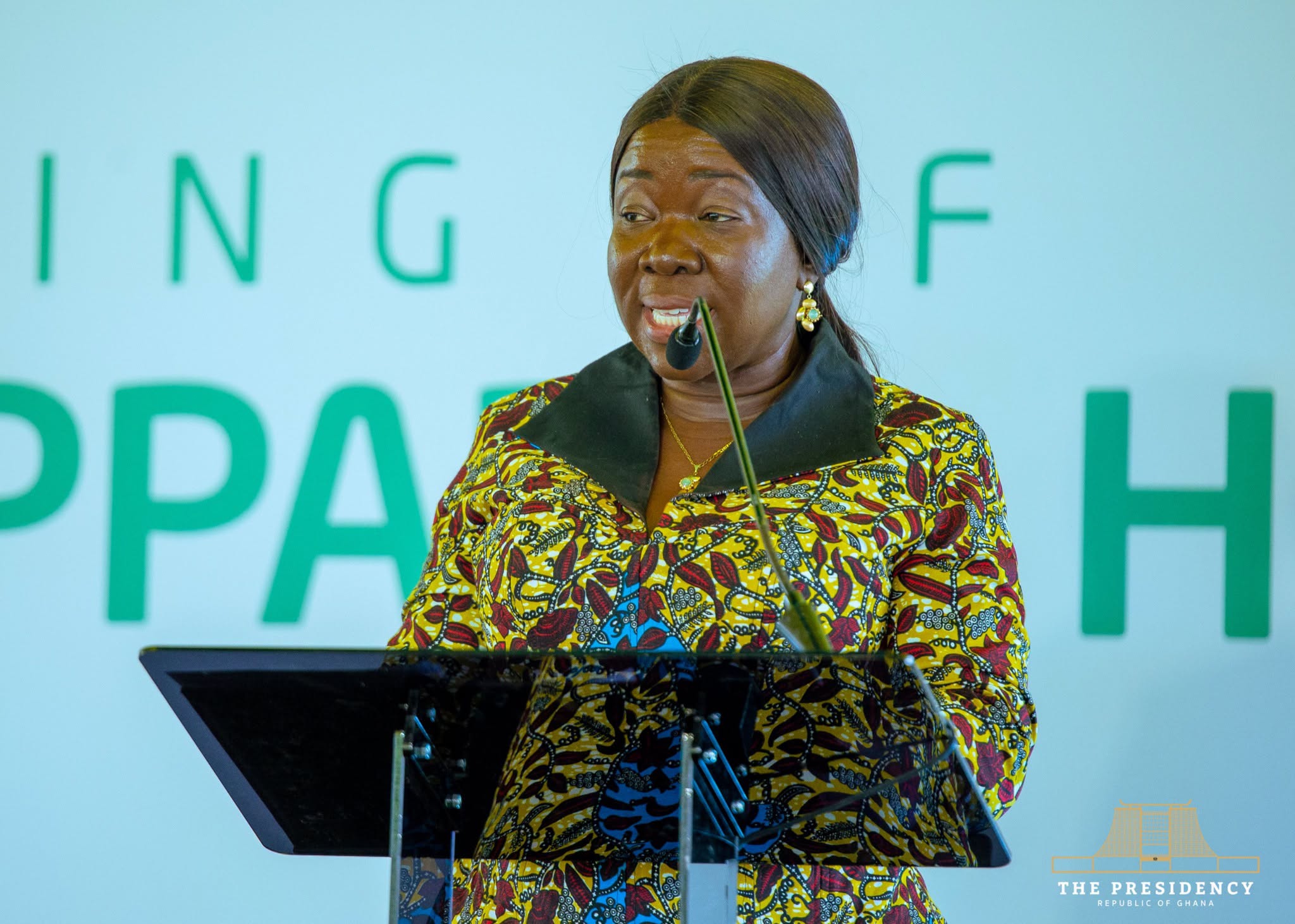
Speaking at the commissioning, she called for greater efforts to process Ghanaian cotton locally, noting that Africa produces a significant share of the world’s cotton but exports about 90 per cent of its raw cotton to Asia.
She said Ghana needed stronger linkages between agriculture and manufacturing so that cotton produced in the country could feed domestic textile factories, create jobs for farmers and workers and generate greater export value.
“Every garment that leaves this facility for a customer abroad is a step towards the Ghana we are building,” she said.
The Minister has previously identified garment manufacturing as one of the fastest routes to large-scale employment because workers can be trained relatively quickly for production-line jobs. She has also announced plans for government-private sector collaboration to establish three additional large garment factories, with a combined long-term employment target of about 27,000 jobs.
Her ministry is simultaneously working to revive cotton production in the Northern Region to provide a reliable local raw-material base for the textile industry. A pilot cotton project at Zoosale, in the Savelugu Municipality, forms part of a proposed multi-district cotton belt intended to connect farmers directly to textile and garment manufacturers.
GEXIM: a test case for development finance
The Ghana Export-Import Bank (GEXIM) has described Northshore as a flagship investment under its strategy to use development finance to drive industrialisation, exports and job creation.
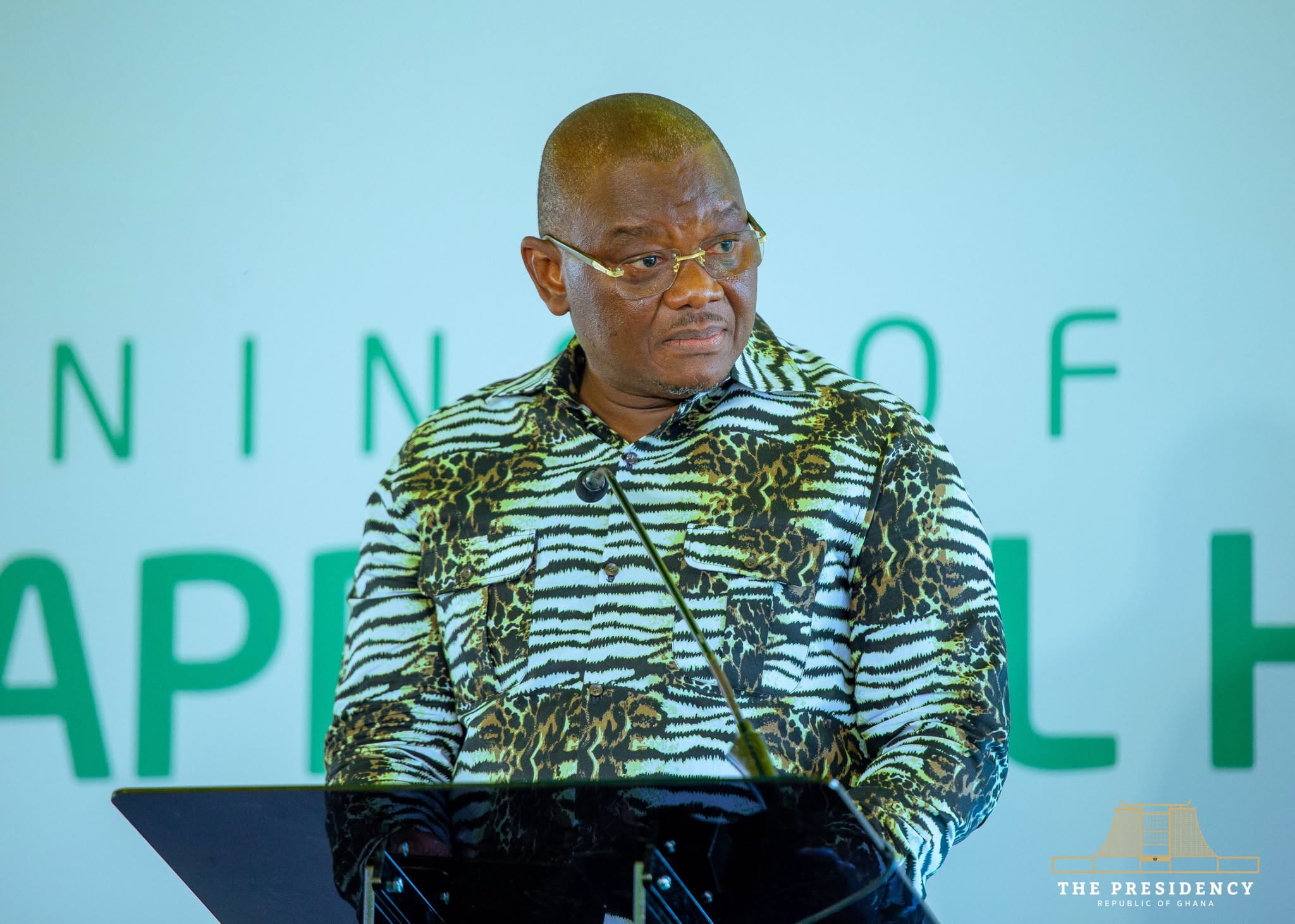
GEXIM Chief Executive Officer Sylvester Adinam Mensah said the project demonstrated that Ghanaian-owned businesses could undertake large-scale industrial ventures capable of competing internationally.
He said the facility represented “the opening of a new chapter of opportunity” for Northern Ghana, with its economic impact expected to extend well beyond the factory floor.
“As the factory grows, it will create direct employment on the production floor and generate additional opportunities in transportation, food services and other vending activities, accommodation, maintenance, packaging, logistics and other supporting activities,” he said.
Mr Mensah said Northshore fits directly into GEXIM’s five-year strategic plan, which identifies garments and apparel manufacturing as a key driver of economic transformation.
The project was supported through a blended financing structure involving GEXIM, the Investing for Employment facility of Germany’s KfW Development Bank and equity from the project promoters.
He said the bank’s objective was not simply to finance factories, but to back commercially viable businesses capable of generating jobs, expanding production and increasing Ghana’s export capacity.
GEXIM also disclosed that major prospective buyers in the United States and South Africa had expressed interest in Northshore’s products even before the factory produced its first garment, signalling early market confidence in the company’s export potential.
Building an industrial value chain in the North
Mr Mohammed said locating the facility in Savelugu was deliberate, particularly given the region’s large labour pool and proximity to the West African cotton belt.
He said the project was designed not merely as a factory but as an industrial platform capable of creating formal employment close to the communities where workers live and reducing the pressure on young people, particularly women, to migrate south in search of jobs.
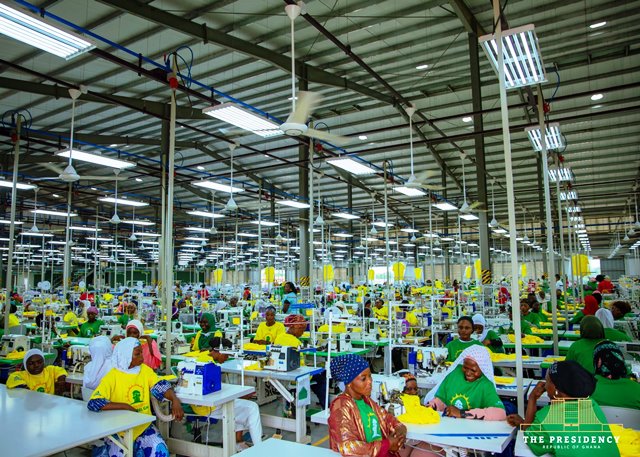
He recalled that the site had previously been an abandoned latrine pit and refuse dump but had been transformed into what he described as a “harbour of hope.”
The company’s workforce strategy also includes persons with disabilities, with deaf workers already employed as machinists and supervisors.
Presidential Advisor on the 24-Hour Economy, Goosie Tanoh, said the company could employ about 10,000 people directly at full capacity and commended its commitment to disability inclusion.
With the commissioning, Northshore Apparel is betting on a model that combines local ownership, development finance, export manufacturing, renewable energy, skills development and backward integration.
For government, the Savelugu investment offers a tangible test of whether the 24-Hour Economy can translate from policy into production, employment and export earnings. For Northern Ghana, it represents an attempt to shift the region’s economic narrative—from a source of migrant labour to a destination for productive investment and formal employment.
The bigger commercial ambition is clear: turn Ghanaian cotton into Ghanaian garments, sell those garments to global markets and keep a larger share of the value chain—and the jobs and foreign exchange it generates—within Ghana.
Source: www.kumasimail.com