







































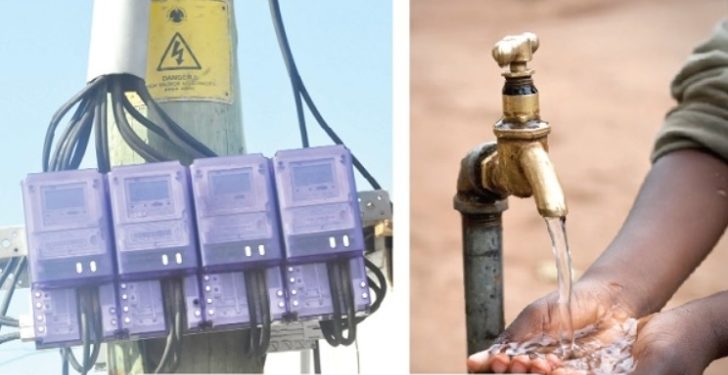
The Public Utilities Regulatory Commission (PURC) has maintained electricity and water tariffs at their third-quarter levels for the fourth quarter of 2026.


The decision means there will be no adjustment to electricity and water tariffs from October 1, 2026, according to a tariff review statement issued by the Commission on September 24.
PURC said its quarterly review considered key operational and economic factors, including the Ghana cedi-US dollar exchange rate, inflation, the cost of natural gas and the projected electricity generation mix.
For the fourth quarter, the Commission applied a weighted average exchange rate of GH¢11.5646 to US$1, representing a 3.04 percent depreciation of the cedi from the third-quarter rate of GH¢11.2228 to US$1.
The average annual inflation rate used in the review was 4.97 percent, up from 3.43 percent in the third quarter.
However, the weighted average cost of natural gas fell from US$7.9708 per MMBtu in the third quarter to US$7.8379 per MMBtu, a reduction of 1.67 percent.
PURC also projected an improvement in hydroelectricity generation. The share of hydro generation is expected to rise from 20.90 percent in the third quarter to 24.25 percent in the fourth quarter, while the thermal generation share is projected to fall from 79.10 percent to 75.75 percent.
The Commission said the combined effect of these factors resulted in a decision not to adjust electricity tariffs for the quarter.
Under the approved electricity rates, the lifeline residential tariff for consumption of up to 30 kilowatt-hours remains at 89.9315 Ghana pesewas per kilowatt-hour, with a monthly service charge of GH¢2.13.
For other residential consumers, the tariff remains at 203.7509 pesewas per kWh for consumption between 0 and 300 kWh and 269.2235 pesewas per kWh for consumption above 300 kWh. The applicable monthly service charge remains GH¢10.730886.
Tariffs for non-residential consumers and special load tariff customers also remain unchanged, with all approved rates recording zero percent variation.
Water tariffs have similarly been maintained at their existing levels.
Residential consumers on the lifeline category of up to five cubic metres will continue to pay 598.5381 pesewas per cubic metre, while consumption above five cubic metres remains at 1,058.9413 pesewas per cubic metre.
The monthly residential service charge remains GH¢10.
For non-residential consumers, the tariff remains 1,791.5225 pesewas per cubic metre, with a monthly service charge of GH¢20. Commercial consumers will continue to pay 3,205.1425 pesewas per cubic metre, with a GH¢20 monthly service charge.
PURC also maintained the existing tariffs for sachet water producers, bottled water and drinks producers, industrial consumers, public institutions, public standpipes, ports and harbours, and bulk supply customers.
The Commission said the quarterly tariff reviews are intended to preserve the real value of existing tariffs and help utility providers remain financially viable while taking into account the impact of tariffs on consumers.
PURC added that it would continue to monitor the operations of regulated utility providers and hold them accountable to regulatory standards and benchmarks to promote improved service quality and value for money.
The fourth-quarter tariffs take effect on October 1, 2026.
Source: www.kumasimail.com