

































Ghana’s state-owned enterprises (SOEs) have staged a dramatic financial turnaround, recording a combined GH¢19.80 billion net profit in 2025, after posting a GH¢2.25 billion net loss the previous year.


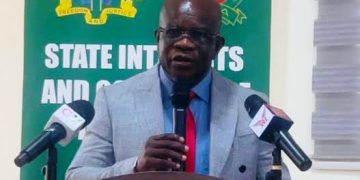
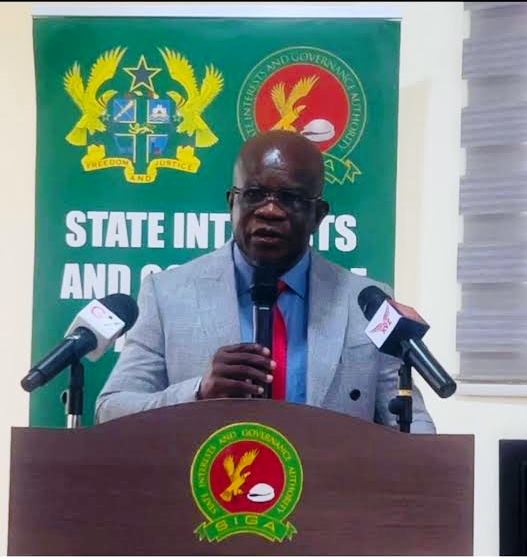
Yet, despite the massive improvement in profitability, the government received only GH¢16 million in dividends from SOEs during the year, according to the 2025 State Ownership Report published by the State Interests and Governance Authority (SIGA).
The report, which was published on August 28, 2026, presents a sharply improved financial picture for Ghana’s state enterprises but also exposes the continuing difficulty of converting stronger corporate performance into direct financial returns for the state.
The GH¢19.80 billion net profit represents a dramatic reversal after four consecutive years of consolidated net losses.
Profit before interest and tax also increased to GH¢25.49 billion, indicating a substantial improvement in the underlying operating performance of the SOE sector.
However, the improvement in profitability did not translate into a corresponding increase in dividend payments to the government.
Only Ghana Reinsurance Company Limited and TDC Company Limited paid dividends among the SOEs, with the two companies contributing a combined GH¢16 million.
The amount was lower than the dividends paid by SOEs in the previous reporting period, highlighting the gap between accounting profits and actual cash returns to the government as shareholder.
Finance costs and forex gains help turnaround
SIGA’s report attributes part of the improved performance to a significant reduction in financing costs.
Finance costs declined by 42.49 per cent, easing pressure on the balance sheets of the state enterprises.
The SOE sector also recorded GH¢11.72 billion in net foreign exchange earnings, a major turnaround from the GH¢12.01 billion foreign exchange loss recorded previously.
The improvement came against the backdrop of a stronger macroeconomic environment, including lower interest rates and an appreciation of the Ghana cedi.
The combined effect was a substantial improvement in the bottom line of the state-owned enterprise portfolio.
Not all state companies are profitable
The aggregate improvement, however, masks persistent weaknesses among individual SOEs.
SIGA identified five enterprises that have recorded losses in every year from 2021 to 2025.
They are the Electricity Company of Ghana (ECG), Ghana Cylinder Manufacturing Company Limited, GNPA Limited, Graphic Communications Group Company Limited and Ghana Digital Centre.

The continued losses of these enterprises point to structural challenges within parts of the state-owned sector, despite the strong improvement in the overall figures.
The report therefore calls for sustained efforts to improve efficiency, strengthen accountability and ensure that the financial recovery is translated into long-term value creation.
Profitability versus shareholder returns
The contrast between the GH¢19.80 billion consolidated profit and the GH¢16 million in SOE dividends raises an important question about the financial returns Ghana derives from its ownership of state enterprises.
The figures do not mean the government was entitled to the entire GH¢19.80 billion in profit, since dividend decisions depend on the ownership structure of individual entities, cash flows, investment requirements and other considerations.
Nevertheless, the low dividend yield from the SOE portfolio underscores the importance of ensuring that improved profitability eventually produces stronger and more sustainable returns for the state.
That challenge becomes even more significant when the performance of the country’s Joint Venture Companies (JVCs) is considered.
Unlike the SOE portfolio, JVCs — particularly companies in which the state holds minority interests — emerged as the dominant source of dividend income to government in 2025.
The contrast suggests that the question for Ghana may no longer be simply whether its state-owned businesses can become profitable, but which forms of state ownership generate the strongest financial returns for the taxpayer.
Source: www.kumasimail.com