






















This question has been on my mind.


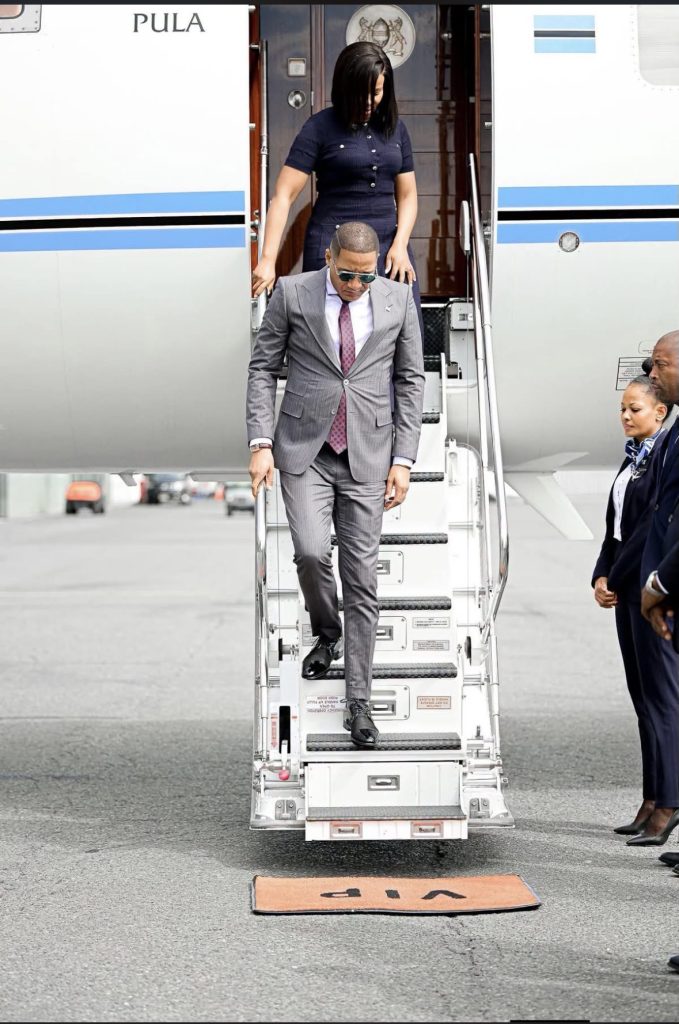
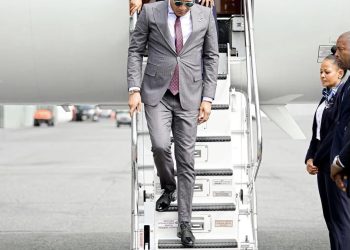
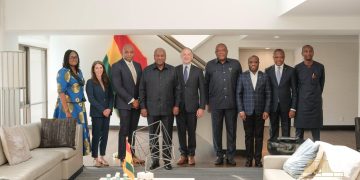
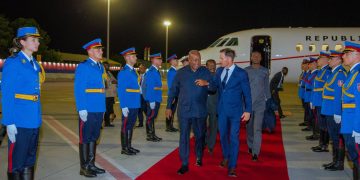
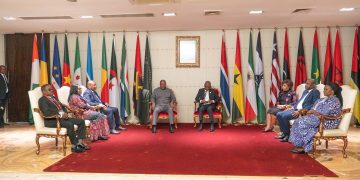
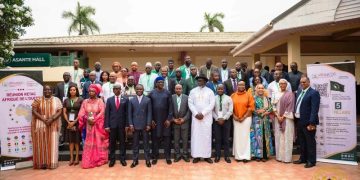
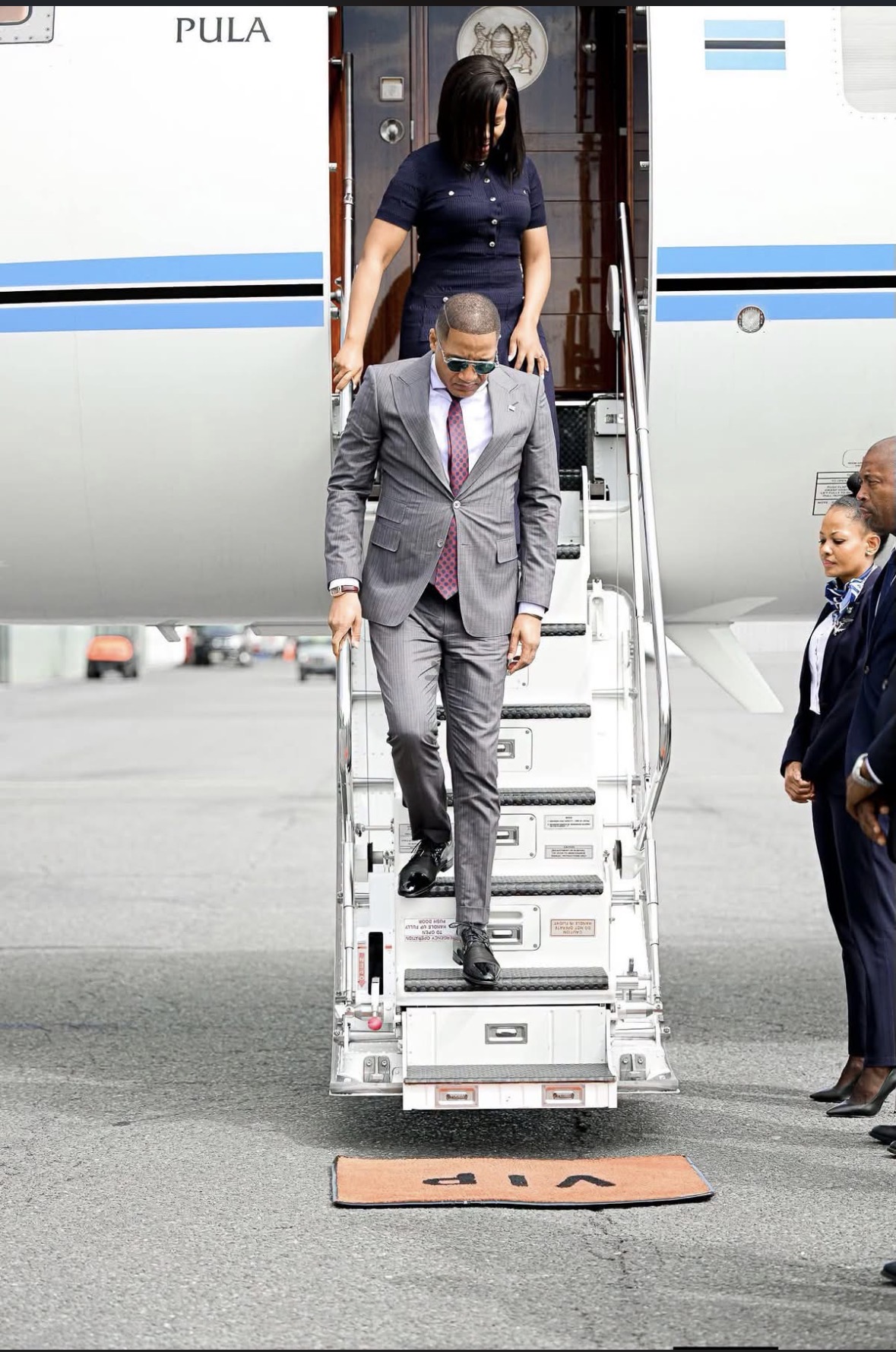
I looked at the recent visits of African presidents to the United States, and something is worth discussing. When five African presidents, from Gabon, Mauritania, Guinea-Bissau, Liberia and Senegal, went to Washington in July 2025, they were not received at the airport by President Trump. They were received at the White House by the U.S. Chief of Protocol before being taken in to meet Trump. Trump then hosted them for a multilateral lunch. The same pattern applied to South Africa’s President Cyril Ramaphosa, whose official programme shows Trump receiving him at the White House, just like Duma Gideon Boko who was welcomed by white house officials too.
Now compare the symbolism when America considers a relationship strategically important.
Donald J. Trump is planning to personally receive China’s President Xi Jinping at Joint Base Andrews. Reuters describes this as a rare protocol move for a U.S. president. The visit is expected to focus on trade, rare earths and artificial intelligence.
That should make Africans ask a bigger question.
Is the issue simply that America does not respect Africa, or is it that Africa has not yet built enough economic and strategic leverage to command that level of attention?
I think the second question is the one we should seriously debate.
Respect at the international table is rarely secured by speeches, flags, expensive suits or how loudly we complain about being disrespected.
It is built through leverage.
If Africa wants presidents to be treated as leaders whose arrival matters, we need economies that America, China, Europe, India and the Middle East cannot afford to ignore.
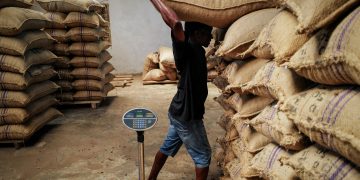
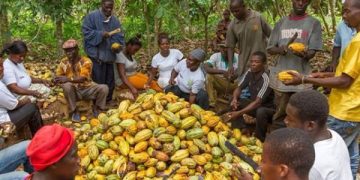
We need to stop exporting cocoa and importing chocolate.
Stop exporting copper and importing finished electrical products.
Stop exporting lithium and asking someone else to manufacture the batteries.
Stop exporting crude oil and importing refined petroleum.
Stop exporting agricultural commodities and importing processed food.
And most importantly, we need to build African companies that can compete globally.
We need manufacturing.
We need processing.
We need technology.
We need reliable electricity.
We need infrastructure.
We need strong institutions.
We need large regional markets that actually work.
We need governments that can negotiate from a position of economic strength rather than dependency.
And we need African leaders to understand that diplomacy is not just about being invited to Washington.
It is about having something the world desperately wants, something we can produce competitively, and something we can negotiate without surrendering our interests.
Look at China.
Look at the Gulf states.
Look at countries with strategic minerals, technology, capital, energy or enormous markets.
Their leaders do not have to constantly ask to be taken seriously. Their economic and strategic importance creates leverage.
Africa has the minerals.
Africa has the land.
Africa has the young population.
Africa has enormous agricultural potential.
Africa has energy resources.
Africa has some of the world’s most important strategic commodities.
What Africa has struggled to build is the industrial and institutional machinery that turns those resources into bargaining power.
So perhaps the question should not only be:
“Why didn’t Trump receive an African president at the airport?”
The bigger question is:
“What are we Africans doing to make the world unable to afford ignoring us?”
Because at the international table, respect is important, but leverage speaks even louder.
And leverage is built at home.
#Africa #Zambia #EconomicDevelopment #Industrialisation #Trade #Manufacturing
Source : Felix Mbewe