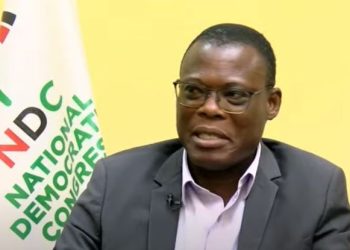


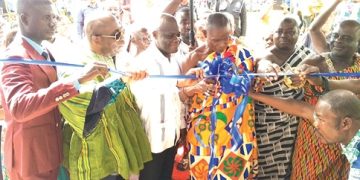
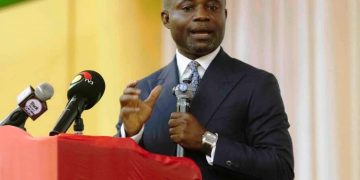























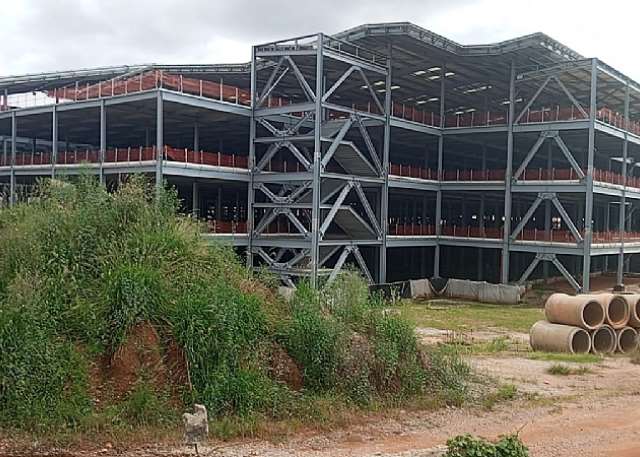
Ashanti Regional Minister, Dr. Frank Amoakohene, has announced that work on the stalled Phase II of the Kumasi Kejetia Market project is expected to resume in October 2026, following delays attributed to funding challenges.


Dr. Amoakohene said the government had made the completion of the project a priority and was committed to addressing stalled market projects across the Ashanti Region, including the Krofrom Market and other projects under the 24-hour economy initiative.
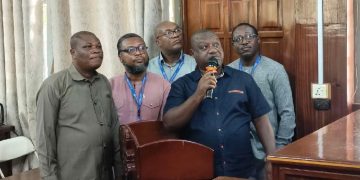
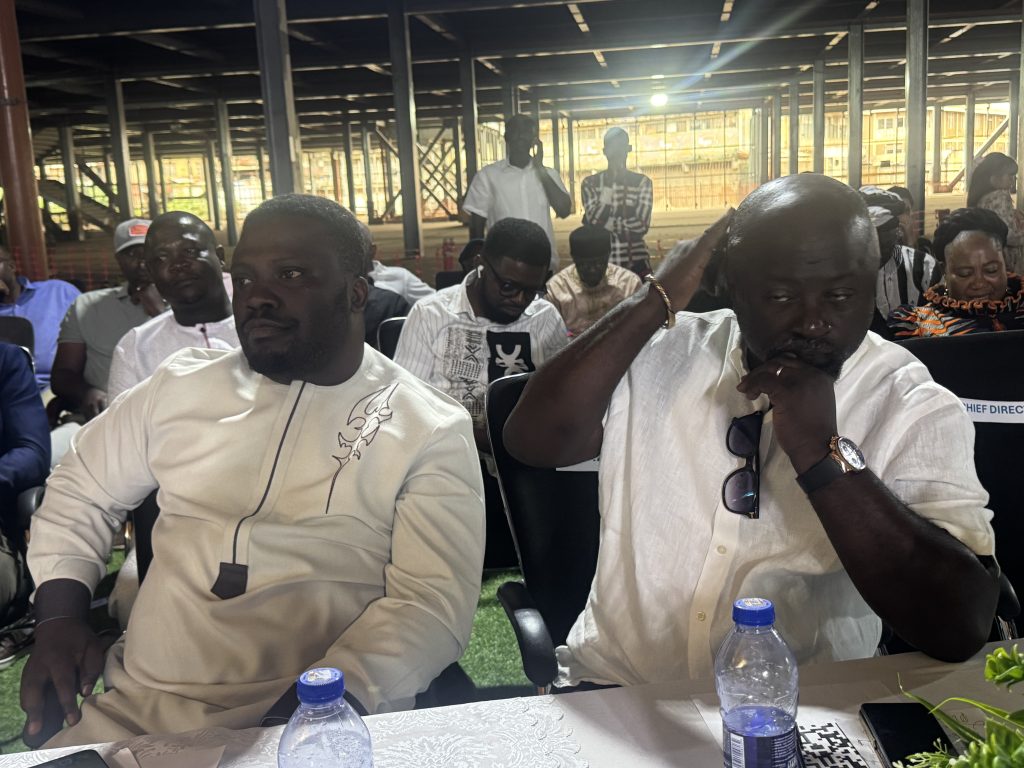
Speaking at a stakeholder engagement with traders at the market on October 20, 2026, he said the delay in the Kejetia project was primarily due to a lack of funding.
He explained that the original arrangement was for Phase I of the project to generate rental revenue that would be used to finance subsequent phases. However, he said the facility had not been utilised in that manner.
“The original plan was for Phase One of the project to be rented out to traders to generate money for the completion of the next phase, but that is not how the facility was used,” Dr. Amoakohene said.
He added that the President had directed the authorities to begin engaging traders on the distribution of shops as construction progresses.
According to him, the President had also directed that all stalled market projects in the region be addressed.
Dr. Amoakohene said the completion of the Kejetia project would help ease congestion in Kumasi, particularly in the central business district of Adum, where the lack of standard markets in various districts has contributed to pressure on existing trading spaces.
“I pity the Kumasi Mayor when I see him on television cleaning Kumasi. However, when these projects are completed, traffic in Adum will be properly managed,” he said.
The Kumasi Metropolitan Assembly (KMA) Chief Executive, Richard Ofori Agyemang Boadi, popularly known as King Zuba, assured traders that no shops had yet been allocated ahead of the completion of the project.
He cautioned traders against making payments to individuals in exchange for shops.
“I have heard that you people here have been saying that before the completion of the project we have already sold the shops out. That’s not true. If you have paid any money to any person, including KMA staff, please go for your money. We don’t even know how much the shops will be rented out,” the KMA boss said.
He explained that the government would not rely on further borrowing to finance the project but would instead rent out completed shops to traders and use the proceeds to support the construction of Phase III.
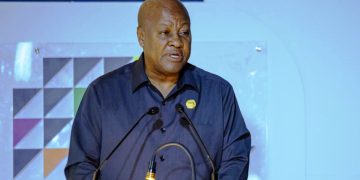
Speaking on behalf of the Minister for Local Government and Religious Affairs, Mahama Ayariga, Alhaji Amin Abdul Rahaman said the completion of the Kumasi Kejetia Phase II project remained a major priority of the government.
He said the government was determined to complete Phase II and subsequently commence work on Phase III.
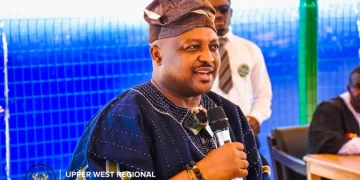
Otumfuo Apagyahene, Oheneba Owusu Afriyie, also urged traders to cooperate with the contractor and KMA management to ensure the successful completion of the project.
He recalled that when Phase I commenced, the intention was for revenue generated from the facility to finance Phase II, with Phase II subsequently generating funds for Phase III. He said that arrangement had not materialised as originally intended.
Project consultant, Mr Tony Yeboah, disclosed that Phase I comprises 25,000 lockable shops, 6,550 counters, 3,760 food-related spaces, 120 food courts and 600 vehicle parking lots.
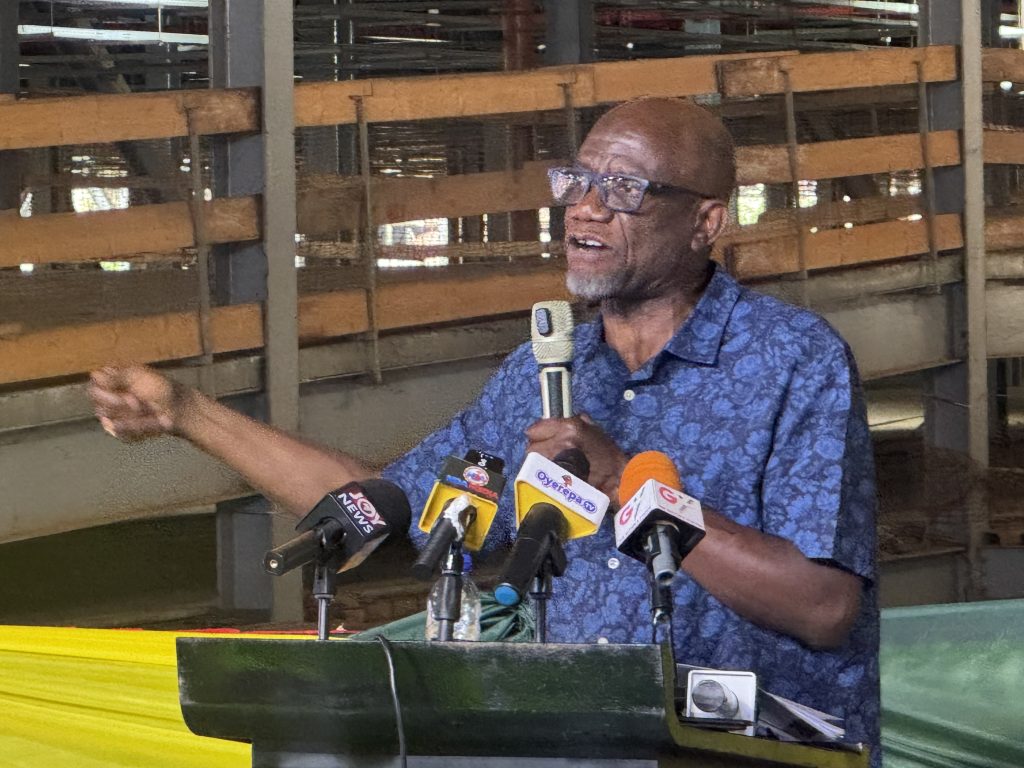
He said the project, which was originally scheduled for completion within 48 months, had so far taken 79 months due to funding challenges.
According to Mr Yeboah, construction currently stands at 49 per cent completion.
He said the total cost of the project was €248 million, of which the government had paid €171 million, leaving an outstanding amount of about €32 million owed to the contractors.
Mr Yeboah said the remaining works include the installation of electrical materials and other essential components required to complete the project.
The Kejetia Market project has been stalled since 2013, with funding challenges cited as a major factor behind the prolonged delay.
Source: www.kumasimail.com