
































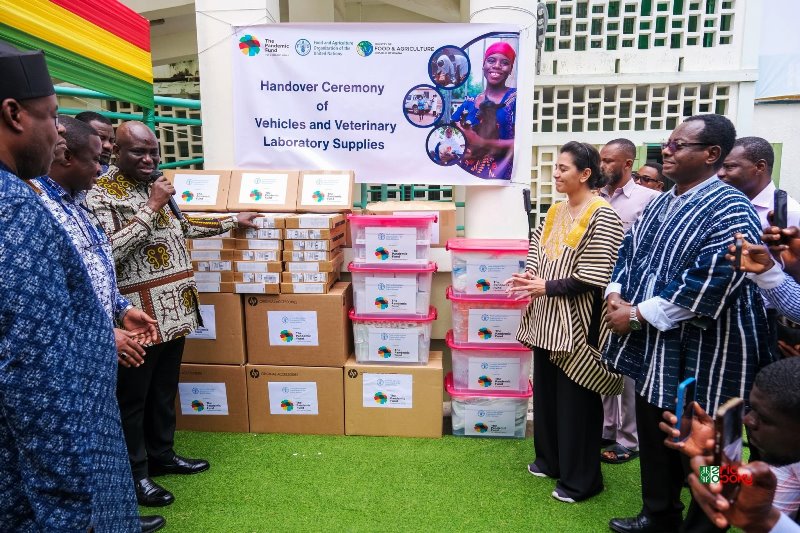
The Food and Agriculture Organization of the United Nations (FAO) has provided Ghana with a major package of vehicles, digital equipment and laboratory support to strengthen the country’s veterinary services.


This move, the Agriculture Minister Eric Opoku says will bolster the government’s drive to modernise the agricultural sector through strategic partnerships.
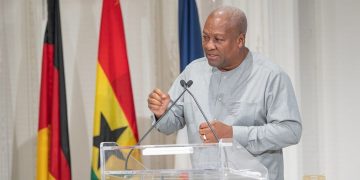
Speaking on the intervention, Mr. Opoku said the FAO’s support reflects the growing collaboration between the John Dramani Mahama administration and international development partners to improve agricultural productivity, strengthen animal health systems and enhance food security.
The package includes 20 Toyota Hilux four-wheel-drive pickup vehicles and 261 motorcycles, which the minister said will enable veterinary officers to reach farming communities, particularly in remote parts of the country, more efficiently.
To improve disease surveillance, diagnostics and administration, the FAO has also supplied 115 laptop computers, 110 tablet devices and 90 desktop computers for veterinary services nationwide.

In addition, the organisation has provided laboratory reagents, diagnostic kits, field sampling materials and personal protective equipment to strengthen the country’s capacity to detect and respond to animal diseases.
Mr. Opoku further disclosed that six veterinary laboratories across Ghana are being rehabilitated under the programme to improve their operational capacity and support more effective disease diagnosis.
He said the intervention demonstrates the government’s commitment to revitalising Ghana’s agriculture through strong partnerships with both local and international stakeholders, adding that strengthening veterinary services is critical to protecting livestock, supporting farmers’ livelihoods and ensuring national food security.
The latest FAO support forms part of broader efforts by the Mahama administration to reposition agriculture as a key driver of economic growth by investing in modern agricultural systems, improving service delivery and leveraging international cooperation to build a more resilient sector.
Source: www.kumasimail.com