






































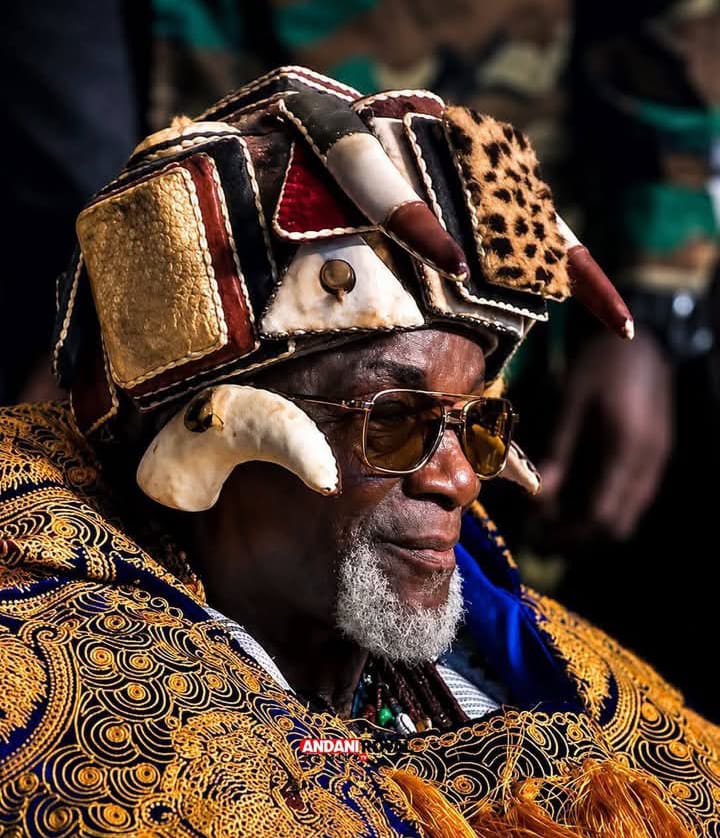
As the Kingdom of Dagbon mourns the passing of His Royal Majesty Yaa-Naa Abubakari Mahama II, attention has turned to the centuries-old customs that guide one of Ghana’s oldest traditional kingdoms through the solemn transition from one reign to the next.


According to an explanatory narrative published by the Facebook blog TamaleKawula, the death of a Yaa-Naa is far more than the passing of a traditional ruler. Within Dagbon belief, the Overlord does not simply die; he is understood to have “joined the ancestors,” marking a sacred transition that is governed by elaborate customs handed down through generations.
Because the Nam—the Skin of Dagbon—is regarded as both the spiritual and temporal soul of the kingdom, every stage of the transition is carefully managed by the elders of Yendi and the kingmakers.
TamaleKawula explains that the passing of a Yaa-Naa is never announced in ordinary language. Instead of declaring that “the King is dead,” elders employ symbolic expressions such as “Tingbanni liri,” literally translated as “the earth has shaken” or “the earth has collapsed,” reflecting the magnitude of the loss to the kingdom.
The process begins quietly within the Gbewaa Palace, where the Mba Duɣu, the King’s chief linguist and custodian of the palace, convenes the inner council of elders.
The news is then formally communicated to the Kuɣa Naa, the head of the Dagbon kingmakers, who assumes the highest customary authority during the period before a new Yaa-Naa is installed.
Rather than through public announcements, the wider kingdom first learns of the monarch’s transition through the sound of the royal talking drums. The Namo-Naa and fellow royal drummers beat distinctive rhythms on the Lunna and Gungon, drums whose language is understood by those steeped in Dagbon tradition. To many, the rhythm is simply mournful; to Dagombas, it conveys the profound message that the Lion of Gbewaa has departed this world.
Only after these sacred rites are completed does the Kuɣa Naa formally communicate the news to the paramount chiefs and the people of Dagbon.
The report further notes that the burial of a Yaa-Naa differs fundamentally from that of ordinary members of society. In keeping with longstanding royal tradition, the late monarch is buried swiftly and in strict secrecy within the sacred Katini room inside the Gbewaa Palace.
TamaleKawula explains that the royal grave is uniquely prepared with a lateral chamber, where the King is laid to rest on layers of animal skins—a practice that reflects the symbolism of the Dagbon skin, upon which kings traditionally sit and sleep instead of occupying stools.
The transition of authority begins almost immediately after the burial. According to the account, the eldest surviving son of the late Yaa-Naa is traditionally shaven and installed as the Gboŋlana, also known as the Regent.
The Regent assumes temporary responsibility for the affairs of the kingdom, presides over the traditional council and receives the many chiefs, dignitaries and mourners who journey to Yendi to honour the departed King.
The narrative also highlights another striking aspect of Dagbon tradition: the arrival of the Gushe-Naa, one of the kingdom’s most powerful paramount chiefs. He enters Yendi accompanied by followers dressed as warriors, symbolising their historic role as protectors of the kingdom during the period when the Skin of Dagbon is vacant.
As Dagbon continues to observe the funeral rites of Yaa-Naa Abubakari Mahama II, these enduring customs once again underscore the resilience of a kingdom whose traditions have survived for centuries.
They are not merely ceremonial observances but expressions of a deeply rooted philosophy that honours continuity, sacred authority and the unbroken legacy of the descendants of Gbewaa.
Read this …
Source: Narrative attributed to the Facebook blog Tamale Kawula.