





























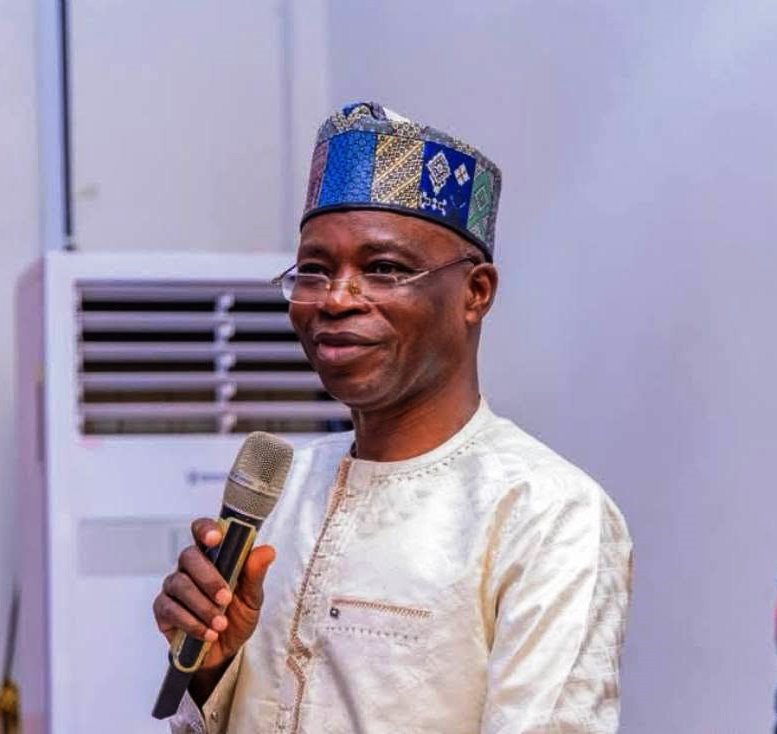
The Northern Regional Minister, Hon. Ali Adolf John, has warned that climate change is rapidly becoming a major security threat in Northern Ghana and called for stronger collaboration to prevent conflicts driven by dwindling natural resources.


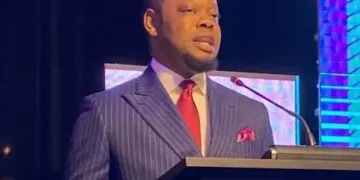
Speaking through the Director of Administration of the Northern Regional Coordinating Council (NRCC), Mr. Abdul Rahman Ahmed Baba, at Climate Talks 2026 in Tamale, the Minister urged government institutions, security agencies, traditional authorities, civil society organizations, development partners and local communities to work together to build climate security resilience.
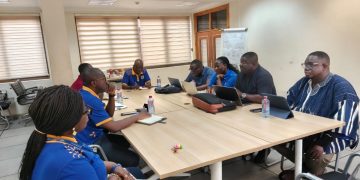
The forum, organized by the Embassy of Germany under the theme “Building Climate Security Resilience in Ghana,” brought together policymakers, security practitioners, traditional leaders, researchers, youth leaders, farmer and herder associations, development partners and local government representatives.
Hon. Ali Adolf John said climate change has moved beyond an environmental issue and now poses a direct threat to livelihoods, peace and social stability.
He cited rising temperatures, prolonged dry spells, erratic rainfall, flooding, land degradation and shrinking water resources as some of the climate pressures confronting Northern Ghana, one of the country’s most climate-vulnerable regions.
According to the Minister, these pressures are disrupting agriculture and livestock production, the main sources of livelihood for many households, while increasing competition over land and water.
He identified farmer-herder conflicts as a growing consequence of climate stress, noting that shrinking grazing lands and scarce water resources are fueling tensions, farm destruction, livestock losses, displacement and reprisal attacks.
Hon. Ali Adolf John called for stronger conflict prevention, mediation and early-warning systems to address emerging threats before they escalate. He also urged greater trust and cooperation between communities and security agencies, alongside the revitalization of traditional conflict resolution mechanisms.
The Minister stressed that climate change must be treated as a security, governance and development challenge, warning that security agencies alone cannot solve the problem.
To strengthen resilience, he called for greater investment in climate-smart agriculture, improved food security measures and policies that reduce pressure on natural resources. He further advocated inclusive decision-making that gives women, youth, farmers, herders and other vulnerable groups a stronger voice in shaping local responses.
Reaffirming government’s commitment to climate adaptation and sustainable development, Hon. Ali Adolf John said Ghana continues to pursue initiatives aimed at environmental protection, sustainable agriculture, stronger local governance and resilient communities.
He expressed confidence that Climate Talks 2026 would produce practical solutions to climate-related security risks and help strengthen resilience across Northern Ghana.
Source: www.kumasimail.com